



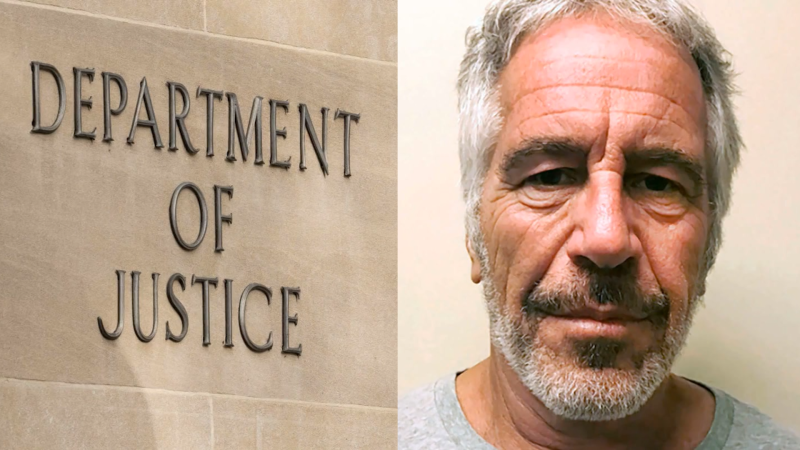
The latest release of records linked to Jeffrey Epstein has reignited global attention around one of the most notorious criminal cases in modern history. The newly unsealed files, which include court materials and previously confidential testimony, have prompted renewed calls for transparency while simultaneously igniting a surge of online speculation.
Legal experts say the documents primarily clarify existing timelines, contacts, and investigative steps rather than revealing a single sweeping revelation. However, public reaction has been intense. Social media platforms quickly filled with interpretations, debates, and unverified claims about individuals named in historical correspondence or referenced in legal filings.
Advocates for victims argue the renewed focus should remain on accountability and justice rather than sensationalism. Many stress that being mentioned in documents does not imply wrongdoing and that legal responsibility can only be determined through courts and verified evidence.
Authorities also warned that misinformation is spreading rapidly as people attempt to connect unrelated figures or events to the case. Researchers studying online behavior noted a familiar pattern: major document releases often create information gaps, which are quickly filled by speculation. This has led to both genuine investigative interest and widespread conspiracy theories circulating simultaneously.
The case continues to carry legal, political, and social implications years after Epstein’s death, particularly regarding institutional failures and how abuse allegations were handled. Lawmakers in multiple countries have renewed discussions about oversight, transparency, and protections for victims of exploitation networks.
For many observers, the moment reflects a broader challenge in the digital age — balancing public access to information with responsible interpretation. As more documents are examined, investigators say verified facts, not viral claims, will determine what comes next.