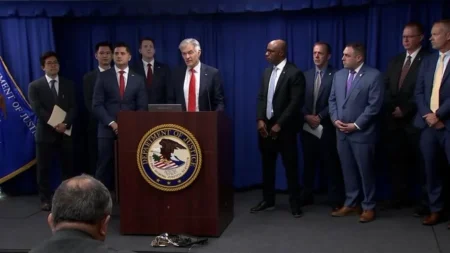




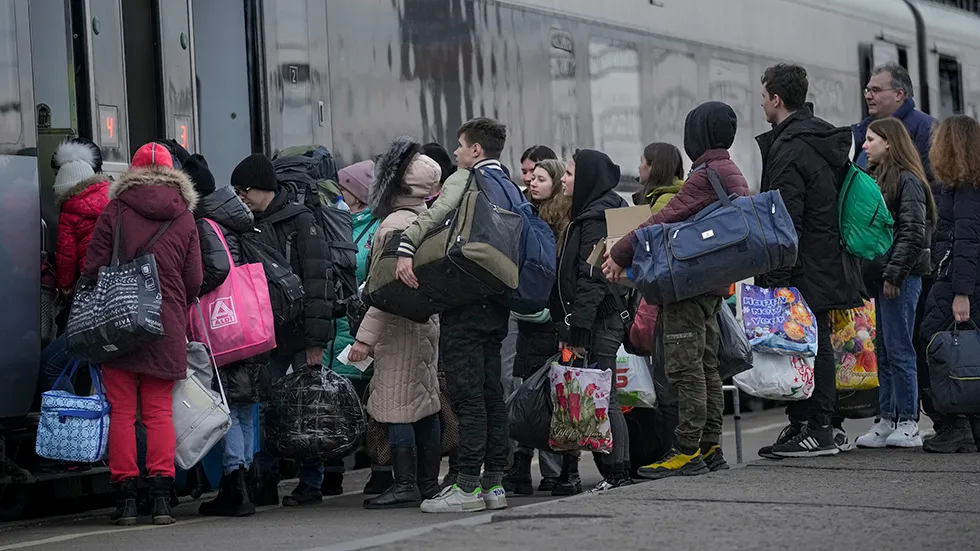
Dozens of Ukrainian men deported from the United States by U.S. Immigration and Customs Enforcement (ICE) were reportedly directed toward military recruitment systems shortly after returning to Ukraine, highlighting the complex intersection between immigration enforcement and wartime mobilization policies.
Recent reporting indicates that several deported Ukrainian nationals of conscription age were transferred to recruitment or training centers soon after crossing back into the country. In some cases, individuals were reportedly processed by authorities near border crossings and routed into mobilization procedures under Ukraine’s wartime draft framework.
Ukraine has maintained nationwide mobilization requirements since Russia’s 2022 invasion, with most men between roughly ages 18 and 60 subject to military service eligibility under emergency wartime rules. Officials say these policies are intended to maintain troop strength during the prolonged conflict.
The deportations have drawn attention from immigration advocates and legal observers, who argue that returning individuals to an active war zone—especially those eligible for conscription—raises humanitarian and policy questions. Some analysts say the situation illustrates how deportation decisions can carry different consequences during wartime compared with peacetime enforcement contexts.
Reports also describe cases in which deported individuals were transported through third countries such as Poland before entering Ukraine under official supervision, after which mobilization procedures began quickly for those without exemption documentation.
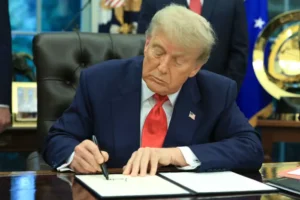
U.S. authorities typically state that deportation decisions are based on immigration status and legal processes rather than foreign military obligations. However, experts note that outcomes can vary significantly depending on conditions in destination countries, particularly those engaged in ongoing armed conflict.
The developments are likely to continue fueling debate about immigration enforcement policies affecting nationals from war-affected countries and the responsibilities governments face when removals intersect with active military mobilization systems.