

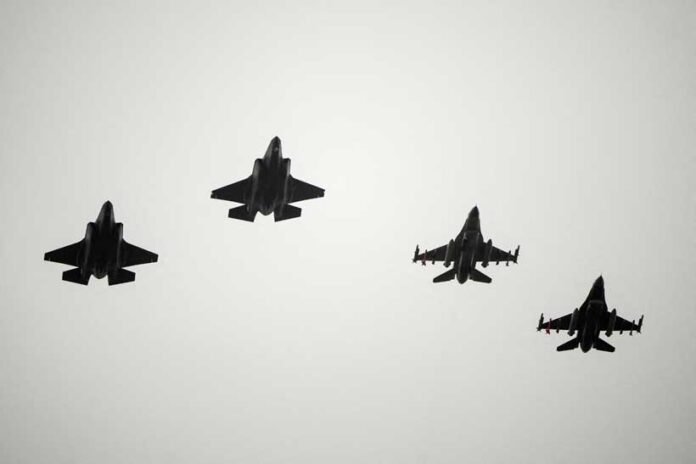
The United Arab Emirates has announced that it will not allow its airspace or territory to be used for any military operations targeting Iran, reinforcing its position of neutrality amid rising regional tensions. The decision highlights the UAE’s continued emphasis on de-escalation, diplomacy, and regional stability at a time of heightened geopolitical uncertainty in the Middle East.
According to officials, the move applies specifically to military actions and does not affect civilian aviation or commercial air traffic. The UAE has long maintained that it seeks to avoid being drawn into regional conflicts, instead positioning itself as a mediator and advocate for dialogue between rival powers.
The announcement comes as concerns grow over the possibility of wider confrontation involving Iran and its regional adversaries. By closing its airspace to military operations against Tehran, the UAE is signaling that it does not wish to be perceived as taking sides in any potential escalation.
Diplomatic sources note that the UAE has invested heavily in rebuilding and maintaining stable relations with Iran in recent years, particularly on economic and maritime security fronts. While differences remain, Abu Dhabi has consistently stressed the importance of communication channels and confidence-building measures to prevent miscalculations in the Gulf region.
Analysts say the decision also reflects the UAE’s broader foreign policy strategy, which prioritizes national security, economic stability, and its role as a global trade and transport hub. Any military involvement, direct or indirect, could threaten these interests and disrupt vital shipping lanes and air routes.
The UAE’s stance is expected to be closely watched by regional and international actors, as it underscores the complex balancing act Gulf states face amid shifting alliances and ongoing conflicts. For now, Abu Dhabi appears focused on maintaining neutrality while encouraging diplomatic solutions to regional disputes.
