

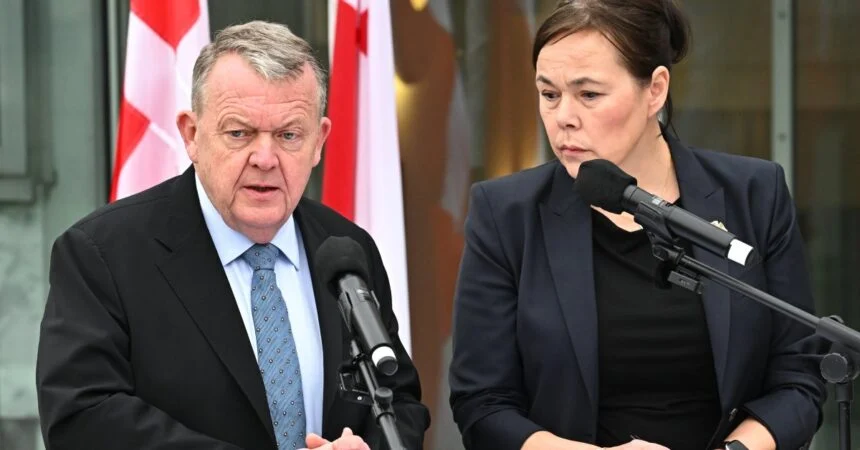
US President Donald Trump remains at odds with leaders in Denmark and Greenland as he continues to express interest in the Arctic region, reviving diplomatic tensions over sovereignty, security and strategic influence.
The dispute centers on Greenland, an autonomous territory within the Kingdom of Denmark, which has gained increasing geopolitical importance as climate change accelerates ice melt and opens access to new shipping routes and natural resources. Trump has repeatedly highlighted the strategic value of the Arctic, arguing that the region is vital to US national security and long-term economic interests.
Danish officials have firmly rejected any suggestion of territorial negotiations, reiterating that Greenland is not for sale and that its sovereignty is non-negotiable. Leaders in Copenhagen have warned that such rhetoric risks straining relations between close allies, particularly at a time when cooperation within NATO is seen as critical.
Greenland’s government has echoed Denmark’s stance, emphasizing that decisions about the island’s future rest solely with its people. Greenlandic leaders have said they welcome international cooperation and investment but only under conditions that respect their political autonomy, environmental priorities and indigenous communities.
Trump’s focus on the Arctic comes amid growing competition among global powers, with Russia and China expanding their presence in the region. US officials argue that maintaining influence in the Arctic is essential to counter rival powers and safeguard emerging trade corridors and energy interests.
However, analysts say Trump’s direct and unconventional approach has complicated diplomatic relations, drawing criticism from European leaders and raising concerns about stability in the Arctic. The issue has also reignited debate over how Arctic nations should balance security, environmental protection and indigenous rights.
Despite the tensions, Denmark and Greenland have signaled openness to continued cooperation with Washington on Arctic security, climate research and economic development, provided discussions remain grounded in mutual respect and international law.
As global attention on the Arctic intensifies, Trump’s stance underscores how rapidly the once-remote region has become a focal point of international politics.
