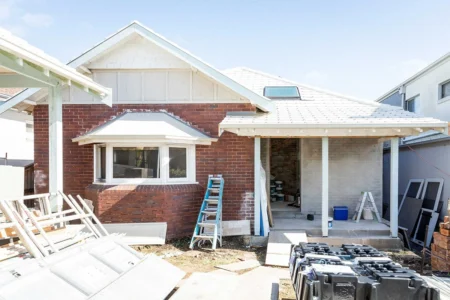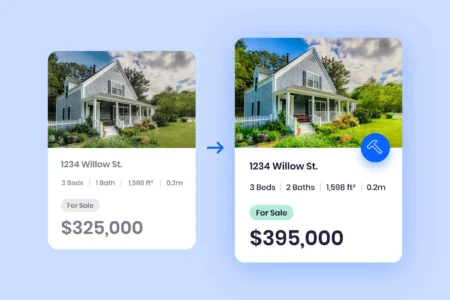




House flipping is commonly described as buying a property, improving it, and reselling it—typically within a shorter time horizon than long-term investing. In Florida, flipping is influenced by the same national drivers that shape most U.S. housing markets (inventory, interest rates, labor costs, insurance costs), plus Florida-specific factors such as hurricane risk, permitting rules, and the state’s contractor licensing framework.
This guide is educational only. It explains how house flips typically work in Florida, what risks tend to appear most often, and what reliable U.S. data suggests about flipping outcomes. It does not recommend a strategy, guarantee profitability, or provide individualized financial, legal, or real estate advice.
1) Start With the Reality: Flips Are a Business Project, Not a “Quick Win”
A flip is best understood as a project with multiple moving parts:
- Acquisition (purchase terms, inspections, title, closing costs)
- Renovation (scope, permits, contractors, materials, timeline control)
- Disposition (pricing, marketing, buyer financing constraints, closing timelines)
Because each phase has costs and risks, the most useful mindset is to treat a flip like a project management + risk management exercise.
What national data shows about flipping outcomes
Flipping activity and profitability rise and fall over time. ATTOM’s U.S. Home Flipping Report (Q3 2025) found:
- Flips represented ~7.4% of all home sales in that quarter
- The typical gross profit and ROI moved down compared with prior peaks (ATTOM reports include both purchase price and resale price, and a gross profit estimate)
Educational takeaway: Outcomes vary across time periods and markets. Many flips work; many do not. Your result depends on purchase terms, renovation execution, and resale conditions.
2) Florida-Specific Context That Changes Flip Math
A) Permitting and inspection expectations can be a timeline driver
Most Florida counties and cities regulate structural, electrical, plumbing, mechanical/HVAC, roofing, and additions through building permits. Timelines vary widely by jurisdiction and project scope.
Educational takeaway: A “paper delay” can become a “carrying-cost problem” if your timeline expands while you keep paying utilities, insurance, taxes, financing, and maintenance.
B) Contractor licensing rules matter (legal + risk)
Florida’s construction industry licensing is governed under Chapter 489, Florida Statutes, and licensing is administered through the state’s DBPR.
If you hire contractors, understanding licensing/permit responsibility is part of risk control.
Educational takeaway: Florida has clear licensing categories and rules. For consumers, the practical point is to verify licensing and ensure permits are pulled appropriately for scope.
C) Florida insurance and weather exposure can change rehab priorities
Florida homes face higher weather risk than many regions (wind-driven rain, hurricane-related roof and opening performance, flood exposure in certain areas). Even when a home is not in a flood zone, water intrusion and storm resilience are common buyer concerns.
Educational takeaway: Buyers often scrutinize roof age, windows/doors condition, drainage, HVAC age, and any signs of water intrusion. These are “value preservation” factors as much as cosmetic factors.
3) A Practical, Educational “Flip Framework” (8 Phases)
This is a neutral framework used to understand the process—not a recommendation.
Phase 1: Define the “Flip Box” (property + scope + timeline)
A flip box is a clear definition of what you will and won’t touch. For example:
- Property type: single-family, townhouse, condo (each behaves differently)
- Rehab depth: cosmetic only vs. systems + structural
- Timeline target: realistic schedule with buffers
Common Florida-specific planning items
- Roof condition and remaining useful life
- HVAC age/condition (Florida heat load)
- Electrical panel type and capacity
- Plumbing supply/drain concerns (and any prior polybutylene/galvanized issues)
- Water intrusion indicators (stains, musty odor, prior remediation evidence)
Phase 2: Acquisition diligence
A flip begins with purchase terms and verification.
Typical diligence categories:
- Title/ownership: liens, municipal assessments, HOA/condo issues where applicable
- Condition: inspections appropriate to property type (general, roof, HVAC, plumbing, electrical)
- Neighborhood context: resale ceiling (what buyers actually pay in that area for similar condition)
- Repair scope definition: turning observations into a written scope of work
Educational note: Many flip losses come from underestimating repairs or discovering permitting/non-permitted work after purchase.
Phase 3: Budgeting the project (hard costs + soft costs + buffers)
Flips often fail on “total cost blindness.” A complete educational budget includes:
A) Hard rehab costs
- Labor + materials for each line item (demo, framing, drywall, flooring, kitchen, baths, paint, etc.)
B) Soft costs
- Permits and reinspection fees
- Utilities during rehab
- Dumpster/haul-off
- Pest treatment if needed
- Survey (when needed)
- Professional services (where applicable)
C) Carrying costs
- Insurance, property taxes, HOA/condo fees
- Financing interest/points (if used)
- Lawn/maintenance and security
D) Disposition costs
- Listing/marketing costs, staging
- Seller closing costs (which vary by transaction)
- Potential concessions (market-dependent)
E) Contingency
- Many experienced operators include a contingency line because surprises are common in older housing stock.
Phase 4: Team + contracts (who does what, and how it’s documented)
A flip is usually a “multi-vendor” project:
- General contractor or multiple trades
- Permitting/inspection coordination
- Materials procurement and delivery scheduling
- Project manager oversight
Florida’s licensing framework exists for consumer protection and industry standards.
Educational takeaway: Written scopes, written payment schedules tied to milestones, and documented change orders reduce misunderstandings.
Phase 5: Permits and compliance (avoid the “stop-work spiral”)
Permits commonly apply to:
- Roof replacement
- Electrical panel/service changes
- Plumbing re-pipes
- HVAC replacement
- Structural alterations
- Additions or major layout changes
Educational takeaway: If permits are required and not obtained, consequences can include rework, delays, and disclosure issues at resale. Local rules vary—so the concept is to treat permitting as a timeline item, not an afterthought.
Phase 6: Renovation execution (schedule control is financial control)
A simple way to keep rehab from drifting:
- Weekly milestone plan
- Daily progress documentation (photos + notes)
- Materials ordered early for long-lead items
- Inspection checkpoints scheduled in advance
- One decision-maker (avoid “committee renovation”)
Educational takeaway: Even small delays can materially change total cost if carrying costs are high.
Phase 7: Pricing and resale strategy (market value ≠ renovation cost)
The most common beginner mistake is to assume:
“If I spend $X, the market will pay $X + profit.”
In reality, resale value is constrained by:
- Comparable sales
- Neighborhood price ceiling
- Buyer financing and appraisal outcomes
- Competing active listings
- Seasonal demand patterns
ATTOM’s national data shows profits and ROIs vary materially over time.
Educational takeaway: Renovation should fit the neighborhood and buyer expectations, not just personal taste.
Phase 8: Closing and post-sale recordkeeping (tax + documentation)
Home resale can involve tax considerations and recordkeeping. The IRS publishes guidance on home sale rules and reporting concepts for individuals (for example, Publication 523 is one of the IRS home-sale references).
Educational takeaway: Keep organized records (purchase docs, receipts, permits, warranties, before/after photos). Documentation supports buyer confidence and helps when questions arise later.
4) Financing and Timing Topics
Many flips rely on some form of financing, but this article does not quote rates, promote a product, or encourage borrowing. It’s simply important to understand that financing costs (if any) and time-to-complete can affect total project outcomes.
FHA “anti-flipping” timeline (important for the resale buyer pool)
If your end-buyer uses FHA financing, there are federal policy rules that may affect resales within certain timeframes (commonly discussed as “FHA property flipping rules,” including restrictions tied to short resale windows). HUD provides policy details and updates through FHA/HUD guidance.
Educational takeaway: Your resale buyer’s financing program can affect how quickly a property can close and what documentation may be required.
5) Florida Renovation Risk Checklist (What Commonly Breaks Budgets)
Below are issues that frequently create cost overruns—especially in older Florida housing stock:
- Roof surprises
Hidden decking damage, incorrect prior repairs, or code upgrades after inspection. - Water intrusion and humidity issues
Mold remediation and “source fixing” (not just cosmetic paint). - Electrical upgrades
Panel replacements, aluminum wiring considerations, permit scope growth. - Plumbing scope changes
Drain line problems, re-pipes, water heater replacement, fixture compatibility. - Window/door and opening protection
Buyer demand and insurance considerations can drive upgrades. - Permit and inspection delays
A delayed final inspection can delay listing or closing. - Insurance timing
Getting coverage in place and keeping it active through rehab can affect project continuity.
Educational takeaway: This is why many operators focus first on “risk items” (roof/HVAC/plumbing/electrical/water intrusion) before cosmetics.
6) How to Reduce “Rewritten News” Risk When Writing About Flipping
If you publish flipping content on ACT Global Media, an evergreen approach is:
- Use definitions + process + risk factors
- Add publicly available data (national reports, government datasets)
- Avoid framing it as “this week’s market headline”
For example, citing a national flipping report as context is fine when the article remains instructional and timeless.
Summary
Flipping houses in Florida involves: buying with solid diligence, planning a realistic scope and budget, executing renovation with licensing/permitting awareness, and reselling within the constraints of neighborhood comps and buyer financing realities. U.S. flipping data shows that returns fluctuate over time and across markets, and outcomes depend heavily on purchase terms, renovation execution, and resale conditions.
Author Credit
Written by: Asim Iftikhar — Real Estate Contributor, ACT Global Media
Florida Real Estate Sales Associate License: SL3633555
Florida Notary Commission: HH 709161
Educational & Editorial Disclosure
This article is provided for general informational purposes only and does not constitute real estate, legal, tax, financial, mortgage, or investment advice. Real estate laws, permitting requirements, lending guidelines, and market conditions vary by location and over time. Readers should consult qualified professionals for guidance specific to their situation.