



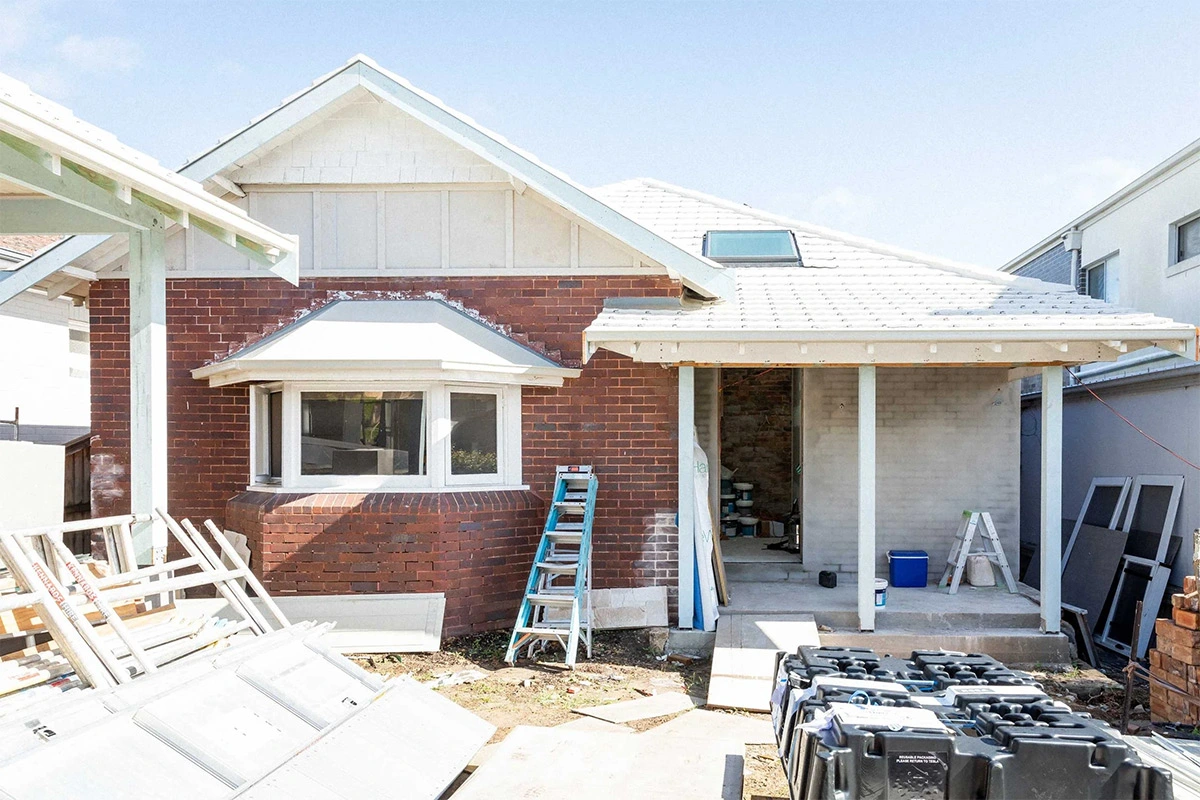
Estimating renovation costs accurately is one of the most critical steps in real estate investment analysis, especially when evaluating real estate properties in Florida. Whether a property owner is planning a home improvement project or an investor is assessing a fix-and-flip opportunity, understanding renovation expenses helps determine whether a project is financially viable.
Renovation spending represents a major component of the U.S. housing economy. According to the Joint Center for Housing Studies at Harvard University Joint Center for Housing Studies, total expenditures on home improvements and repairs exceeded $600 billion annually in the United States, reflecting sustained demand for housing upgrades, maintenance, and value enhancement in competitive markets like Florida.
More recent projections estimate that home improvement spending could reach approximately $524 billion in 2026, highlighting the continued importance of renovation activity in the housing sector.
Several factors are driving renovation demand:
- aging housing stock
- rising home equity levels
- limited housing inventory
- homeowners choosing to remodel rather than move.
According to the American Housing Survey (AHS) conducted by the U.S. Census Bureau and the U.S. Department of Housing and Urban Development (HUD), Americans have steadily increased spending on home improvements, with billions invested annually in repairs and upgrades across owner-occupied and rental housing units.
Accurate renovation cost estimation is particularly important for real estate investors. In fix-and-flip projects, renovation expenses often represent the largest variable cost in the investment model.
This article provides a comprehensive guide to estimating renovation costs, including:
- national renovation cost statistics
- per-square-foot cost models
- renovation budgeting frameworks
- cost estimation formulas used by investors
- risk analysis and cost overruns
- statistical modeling approaches used in professional real estate analysis.
The Role of Renovation Cost Estimation in Real Estate Investment
Renovation costs are central to the financial viability of many real estate projects.
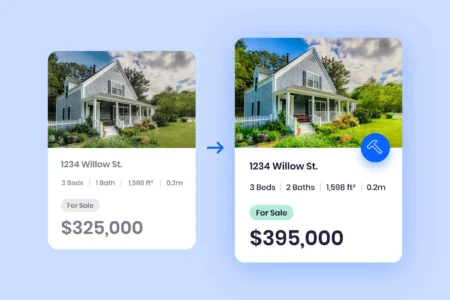
For example, house-flipping investors purchase distressed properties, renovate them, and resell them at a higher value. The difference between the purchase price, renovation expenses, and resale value determines the investor’s profit.
If renovation costs are underestimated, even a small cost overrun can eliminate profit margins.
Professional investors therefore rely on detailed cost models before purchasing a property.
Average Renovation Costs in the United States
Renovation costs vary widely depending on project scope, materials, location, and labor costs.
National averages provide a useful baseline.
Average Renovation Cost per Square Foot
In the United States, home renovation costs typically range between:
$15 and $60 per square foot, although high-end renovations can exceed $150 per square foot depending on materials and complexity.
For larger or luxury renovations, costs can rise significantly.
Some full remodel projects may range between $100 and $400 per square foot, particularly when structural changes or premium finishes are included.
Total Renovation Cost
The average homeowner spends approximately:
- $19,500 to $88,400 on renovation projects depending on scope.
Median renovation spending in recent years has been roughly $24,000, while larger renovation projects can exceed $150,000.
These averages vary significantly depending on property size and renovation complexity.
Renovation Cost Estimates by Project Type
Different renovation projects have different cost profiles.
Kitchen Renovation
Kitchen remodeling is one of the most expensive home improvement projects.
Typical costs include:
- budget remodel: $15,000–$25,000
- mid-range remodel: $25,000–$60,000
- high-end remodel: $80,000 or more.
Major kitchen renovations can exceed $180,000 for luxury projects.
Bathroom Renovation
Bathroom renovations typically range between:
- $8,000–$16,000 for basic remodels
- $15,000–$30,000 for mid-range projects
- $30,000+ for luxury upgrades.
Full Home Renovation
Whole-house renovations vary widely.
For example:
- cosmetic renovation: $18,000–$72,000
- mid-range renovation: $72,000–$180,000
- extensive structural renovation: $180,000+ depending on property size.
Renovation Costs in Florida
Renovation costs vary significantly by region.
For example, Florida renovation projects typically cost between:
$50 and $250 per square foot, depending on whether renovations are cosmetic upgrades or major structural changes.
Higher costs often occur in coastal markets due to:
- labor shortages
- building code requirements
- hurricane-resistant construction standards.
Cost Breakdown of Renovation Projects
Renovation expenses generally fall into several categories.
Typical cost distribution includes:
| Cost Category | Typical Share of Budget |
| Materials | ~45% |
| Labor | ~30% |
| Permits and fees | ~10% |
| Contingency and unexpected repairs | ~15% |
Labor costs represent a significant share of renovation expenses due to skilled trades such as electricians, plumbers, and contractors.
Step-by-Step Method to Estimate Renovation Costs
Professional investors and contractors typically follow a structured process when estimating renovation costs.
Step 1: Property Inspection
The first step is a thorough inspection of the property.
Common inspection areas include:
- roof condition
- foundation integrity
- plumbing systems
- electrical systems
- HVAC equipment.
Older homes may require additional structural repairs.
According to housing research, the average U.S. home is now more than 40 years old, increasing the likelihood of renovation needs.
Step 2: Scope of Work
After inspection, investors create a scope of work document.
This document lists every renovation task required to bring the property to the desired condition.
Examples include:
- replacing flooring
- installing new cabinets
- repainting interior walls
- repairing roofing systems.
Detailed scopes of work allow investors to estimate material and labor costs accurately.
Step 3: Contractor Estimates
Professional contractors provide cost estimates based on the scope of work.
Investors often obtain multiple bids to compare pricing.
Labor costs may vary depending on:
- contractor availability
- regional labor shortages
- project complexity.
Step 4: Material Cost Estimates
Material costs include:
- lumber
- flooring
- appliances
- cabinetry
- plumbing fixtures.
Material prices can fluctuate significantly due to supply chain disruptions or tariffs.
Step 5: Contingency Budget
Professional investors typically include a contingency budget.
Contingency reserves usually equal 10% to 20% of renovation costs to account for unexpected repairs.
Unexpected problems might include:
- hidden structural damage
- mold remediation
- outdated wiring.
The Renovation Cost Per Square Foot Method
Many investors estimate renovation costs using a per-square-foot model.
Example:
Property size: 1,500 sq ft
Estimated renovation cost: $40 per sq ft
Estimated renovation budget:
1,500 × $40 = $60,000
This method provides a quick preliminary estimate before detailed inspections.
Renovation Cost Estimation for Fix-and-Flip Investors
Fix-and-flip investors typically follow conservative budgeting models.
A common approach is:
- Estimate ARV (After Repair Value)
- Estimate renovation costs
- Calculate purchase price limits.
Many investors use the 70% rule:
Maximum Purchase Price = (ARV × 70%) − Renovation Costs
Example:
ARV = $350,000
Renovation costs = $50,000
Calculation:
$350,000 × 70% = $245,000
Maximum purchase price = $195,000.
Market Trends Affecting Renovation Costs
Several economic trends influence renovation pricing.
Labor shortages
The remodeling industry faces ongoing skilled labor shortages.
Aging housing stock
Many U.S. homes were built before 1980, increasing renovation demand.
Rising material costs
Building materials such as lumber, copper, and steel have experienced price volatility.
The Impact of Renovations on Property Value
Renovations can increase property value, but not all improvements produce equal returns. This is why understanding What Is After Repair Value (ARV)? is so important for homeowners and investors before starting any project.
Some renovation projects provide higher resale value. Examples include:
- kitchen remodels
- bathroom upgrades
- energy-efficient improvements
Real estate industry research shows that exterior renovations and structural upgrades often deliver the highest return on investment, directly influencing the property’s After Repair Value (ARV) and overall profitability.
Statistical Modeling of Renovation ROI
Investors frequently use statistical modeling to estimate renovation ROI.
This involves analyzing historical data from comparable properties.
Variables may include:
- property size
- renovation quality
- neighborhood price trends
- days on market.
Advanced investors use data analytics platforms to predict post-renovation property values.
Risks of Underestimating Renovation Costs
Renovation projects frequently encounter cost overruns.
Common reasons include:
- hidden structural damage
- inaccurate contractor estimates
- design changes during construction.
Cost overruns can significantly reduce investment returns.
Technology and Renovation Cost Estimation
Modern real estate technology tools assist with renovation budgeting.
These tools include:
- property valuation software
- renovation cost calculators
- contractor bidding platforms.
Technology can improve cost estimation accuracy by analyzing large datasets of renovation projects.
Conclusion
Estimating renovation costs accurately is essential for real estate investors, developers, and homeowners planning improvement projects.
National housing data shows that Americans spend hundreds of billions of dollars annually on home renovations, with spending expected to exceed $524 billion in 2026.
Typical renovation costs range between $15 and $60 per square foot, although high-end projects may exceed $150 per square foot or more depending on project scope and materials.
Professional renovation cost estimation involves:
- property inspections
- detailed scopes of work
- contractor bids
- contingency planning.
By combining these methods with conservative financial modeling, investors can better manage risk and evaluate the profitability of renovation projects.
As housing markets continue evolving and renovation demand remains strong, accurate cost estimation will remain a fundamental skill for successful real estate investment.
Author
Asim Iftikhar — Real Estate Contributor, ACT Global Media
Florida Real Estate License: SL3633555
Florida Notary Commission: HH 709161
Asim Iftikhar contributes educational real estate content focused on U.S. residential processes, market structure, and consumer understanding. Content is informational and general in nature.
Editorial Disclosure
This article is provided for educational and informational purposes only. It does not constitute financial, investment, tax, or legal advice. Real estate investments and renovation projects involve risk, and costs may vary depending on market conditions, contractor availability, and property characteristics. Readers should consult qualified professionals before making real estate or financial decisions.