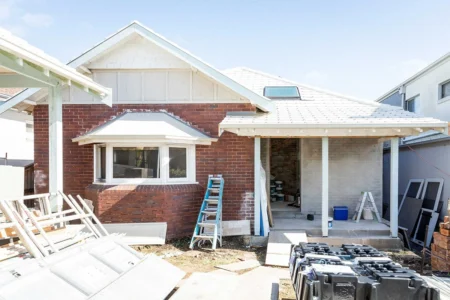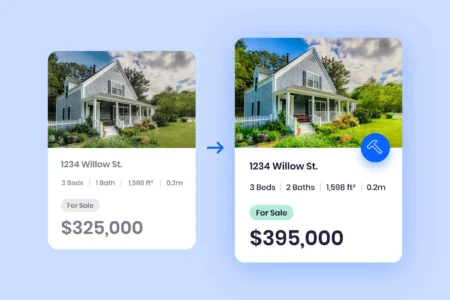





Fix-and-flip real estate investing is one of the most widely recognized strategies in residential property investment. The model involves purchasing a property—often at a discounted price—renovating it, and reselling it for a profit.
Although the concept appears straightforward, the timeline of a fix-and-flip project can vary significantly depending on the property condition, financing structure, renovation scope, and local housing market conditions.
Understanding the timeline of renovation projects is essential because the duration of a project directly affects costs, risk exposure, and overall profitability.
Real estate analytics data shows that house flipping is a substantial segment of the U.S. housing market. According to industry research, hundreds of thousands of homes are flipped annually, typically representing 6–9% of all residential home sales.
However, timelines for these projects can vary widely.
Recent housing market data from ATTOM indicates that the average time required to flip a home in the United States is about 161–166 days, or roughly five to six months from purchase to resale.
Some projects are completed faster, while others may take much longer.
Real estate investment research suggests that:
- experienced investors may complete projects in 3–6 months,
- typical flips take 6–8 months,
- inexperienced investors may require 12–18 months to complete projects.
Because holding a property longer increases financing costs, taxes, and market risk, understanding the typical timeline of a fix-and-flip project is critical for investors.
This article provides a comprehensive analysis of fix-and-flip project timelines, incorporating housing market research and statistical data from:
- U.S. Census Bureau
- American Community Survey (ACS)
- National Association of Realtors (NAR)
- U.S. Department of Housing and Urban Development (HUD)
The goal is to present an educational, research-based overview of real estate renovation timelines and the factors that influence them.
The Fix-and-Flip Investment Model
A fix-and-flip project generally involves three main stages:
- Property acquisition
- Renovation and improvements
- Marketing and resale
Each phase contributes to the total project timeline.
The total duration depends on several factors:
- property condition
- renovation scope
- contractor availability
- permit requirements
- market demand.
Professional investors often estimate project timelines during the deal analysis stage.
Average Timeline for Fix-and-Flip Projects
Real estate market research provides useful benchmarks for project duration.
Several studies indicate similar national averages.
Industry data shows that the average house flip takes roughly 5.5 months, or about 166 days from purchase to resale.
More recent quarterly housing data indicates an average timeline of 161 days nationwide, reflecting modest improvements in project efficiency.
These averages represent the full lifecycle of a fix-and-flip project.
However, individual projects can vary widely.
Typical ranges include:
| Investor Experience | Typical Timeline |
| Experienced flippers | 3–6 months |
| Average investors | 5–8 months |
| New investors | 12–18 months |
Project complexity, financing structure, and renovation scope are the primary drivers of timeline variability.
Overview of the Fix-and-Flip Timeline
The lifecycle of a house flip generally includes the following stages:
- property search and acquisition
- financing and closing
- renovation planning
- construction and repairs
- listing and resale.
Each stage contributes to the overall timeline.
Phase 1: Property Search and Acquisition
The first stage of a fix-and-flip project is identifying a suitable property.
Investors often search for properties that are:
- distressed
- outdated
- undervalued.
Properties may be sourced through:
- MLS listings
- foreclosure auctions
- wholesaler networks
- off-market opportunities.
The acquisition phase may take anywhere from a few weeks to several months, depending on the investor’s sourcing strategy.
Once a property is identified, closing typically occurs within 2–4 weeks.
Investors using cash or hard money financing often close transactions faster.
Phase 2: Financing and Closing
After identifying a property, investors must finalize financing and close the purchase.
Closing timelines vary depending on financing method.
Typical closing timelines include:
| Financing Type | Typical Closing Time |
| Cash purchase | 7–14 days |
| Hard money loan | 10–20 days |
| Conventional mortgage | 30–45 days |
Because distressed property sellers often prioritize fast closings, many investors rely on cash or private lending.
According to housing market data, more than 60% of flipped homes are purchased with cash, highlighting the importance of liquidity in the flipping market.
Phase 3: Renovation Planning
Once the property is acquired, investors begin renovation planning.
This stage includes:
- property inspections
- contractor selection
- permit applications
- material procurement.
Planning typically takes 2–4 weeks.
Permit approvals may take longer depending on local building regulations.
Permit delays are a common cause of extended project timelines.
Phase 4: Renovation and Construction
The renovation phase is usually the longest stage of a fix-and-flip project.
Typical renovation timelines include:
| Renovation Type | Duration |
| Cosmetic repairs | 3–6 weeks |
| Moderate renovation | 2–3 months |
| Structural renovation | 4–6 months |
Most typical fix-and-flip projects involve moderate renovations such as:
- flooring replacement
- kitchen updates
- bathroom upgrades
- interior painting.
Industry research suggests that renovation phases often last 2–3 months for typical projects.
However, structural issues may extend renovation timelines.
Phase 5: Listing and Resale
After renovations are complete, the property is listed for sale.
The resale timeline depends on:
- local housing demand
- pricing strategy
- market inventory.
Some renovated homes sell within days, while others may remain on the market for several months.
Real estate marketing and buyer financing approvals also affect the closing timeline.
In many cases, the resale process takes 1–2 months.
Factors That Influence Fix-and-Flip Timelines
Several variables influence how long renovation projects take.
Property Condition
The condition of the property significantly affects project timelines.
Properties requiring structural repairs—such as foundation work or roof replacement—often take longer to renovate.
Older homes frequently require additional repairs.
According to housing data from the American Housing Survey, the median age of U.S. housing units exceeds 40 years, increasing the likelihood of renovation needs.
Contractor Availability
Labor shortages in the construction industry have become a significant challenge in recent years.
Skilled trades such as electricians, plumbers, and carpenters are often in high demand.
Contractor availability can significantly affect project timelines.
Permits and Building Regulations
Local building regulations may require permits for certain renovation projects.
Permit approval timelines vary widely depending on the municipality.
In some cities, permit approvals may take several weeks or even months.
Financing Structure
The type of financing used for the project can influence timelines.
Short-term financing products such as hard money loans typically have terms of 6–12 months, which encourages investors to complete renovations quickly.
Longer timelines increase interest costs.
Market Conditions
Housing market conditions affect the resale phase of a project.
In strong seller markets, renovated homes may sell quickly.
In slower markets, resale timelines may extend.
Financial Impact of Project Duration
Project timelines directly affect investment profitability.
Holding a property longer increases expenses such as:
- loan interest
- property taxes
- insurance
- utilities.
For example:
Monthly holding cost: $2,500
Project duration: 6 months
Total holding cost:
$15,000
If the project extends to 10 months:
Total holding cost:
$25,000
Longer timelines therefore reduce profit margins.
Statistical Modeling of Fix-and-Flip Profitability
Consider the following investment scenario.
| Category | Amount |
| Purchase price | $200,000 |
| Renovation costs | $50,000 |
| Holding costs | $15,000 |
| Selling costs | $20,000 |
| Total investment | $285,000 |
| Resale price | $350,000 |
| Profit | $65,000 |
If the project timeline extends by four months and holding costs increase by $10,000, the profit declines to $55,000.
This example illustrates how project timelines affect investment returns.
Real Estate Market Trends and Project Duration
Housing market conditions influence renovation timelines in several ways.
Limited housing inventory often increases buyer demand for renovated homes.
However, rising construction costs and contractor shortages may slow renovation progress.
Recent housing data indicates that real estate investors remain active in the housing market, even as profit margins have declined.
Industry research shows that the average profit from house flipping is approximately $65,000, reflecting tighter margins compared with earlier market cycles.
Strategies to Reduce Fix-and-Flip Timelines
Experienced investors often use several strategies to accelerate project timelines.
These include:
- securing financing before purchasing the property
- building relationships with reliable contractors
- ordering materials early
- using standardized renovation designs.
Project management tools and construction scheduling software can also improve efficiency.
Risk Management in Fix-and-Flip Projects
Project timelines also influence risk exposure.
Longer projects increase exposure to:
- interest rate changes
- housing market fluctuations
- unexpected repair costs.
Professional investors often build time buffers into project plans to mitigate these risks.
Technology and Data Analytics in Renovation Projects
Modern real estate technology platforms allow investors to analyze renovation timelines more effectively.
These tools provide:
- automated ARV estimates
- renovation cost projections
- project management dashboards.
Data-driven analysis can improve decision-making and reduce project delays.
Conclusion
Fix-and-flip projects are complex real estate investments that involve multiple phases, including acquisition, renovation, and resale.
Industry data indicates that the average fix-and-flip project takes approximately 5–6 months (around 161–166 days) from purchase to resale in the United States.
However, timelines vary widely depending on project complexity, contractor availability, and market conditions.
Typical project durations include:
- 3–6 months for experienced investors
- 6–8 months for average projects
- up to 12–18 months for new investors or complex renovations.
Because longer timelines increase holding costs and financial risk, careful project planning and efficient renovation management are essential for successful real estate investments.
By understanding the typical timeline of fix-and-flip projects and the factors that influence project duration, investors can better evaluate opportunities and manage the financial risks associated with property renovation.
Author
Asim Iftikhar — Real Estate Contributor, ACT Global Media
Florida Real Estate License: SL3633555
Florida Notary Commission: HH 709161
Asim Iftikhar contributes educational real estate content focused on U.S. residential processes, market structure, and consumer understanding. Content is informational and general in nature.
Editorial Disclosure
This article is provided for educational and informational purposes only and does not constitute financial, legal, tax, or investment advice. Real estate investments involve risk, and project timelines, costs, and returns may vary depending on market conditions, renovation scope, and financing terms. Readers should consult qualified professionals before making real estate investment decisions