


A deepening legal battle over abortion access is unfolding in the United States as conservative states escalate efforts to challenge abortion “shield laws” enacted in Democratic-led states like California and New York.
Webdesk | Act Global Media | January 17, 2026
A deepening legal battle over abortion access is unfolding in the United States as conservative states escalate efforts to challenge abortion “shield laws” enacted in Democratic-led states like California and New York.
At the center of the conflict is a legal standoff over whether states that protect abortion providers from out-of-state prosecutions can be forced to comply with extradition requests from states where abortion is heavily restricted or banned.
Louisiana Seeks to Bring Providers to Justice
Louisiana officials this month filed charges and requested the extradition of a California doctor accused of mailing abortion medication into their state — a move that opponents of abortion rights call necessary enforcement and supporters of reproductive rights view as unconstitutional overreach.
State leaders argue that sending medication abortion pills into Louisiana violates local law and harms residents, but legal experts say the effort sets up one of the first major tests of shield laws that Democratic states have passed to protect reproductive healthcare providers and patients.
California and New York Stand Firm
Responding to Louisiana’s push, California Governor Gavin Newsom reaffirmed his state’s refusal to hand over doctors sought on abortion-related charges, citing laws that bar cooperation with out-of-state prosecutions of healthcare providers. “We will not allow efforts to reach into California to punish doctors for providing legal care,” he said.
New York has taken similar stances in earlier cases, blocking extradition of other physicians sought by conservative states under analogous circumstances.
Texas Adds a New Legal Test Case
Meanwhile, Texas has pursued its own legal strategies. A state law that took effect in late 2025 allows citizens to sue entities involved in sending abortion pills into Texas, including manufacturers and prescribers — a measure critics say is designed to circumvent shield laws and broaden civil liability beyond state borders.
This kind of “bounty-style” enforcement has prompted civil lawsuits in federal court and signals that Texas plans to push these conflicts into higher courts.
What This Means for Abortion Access
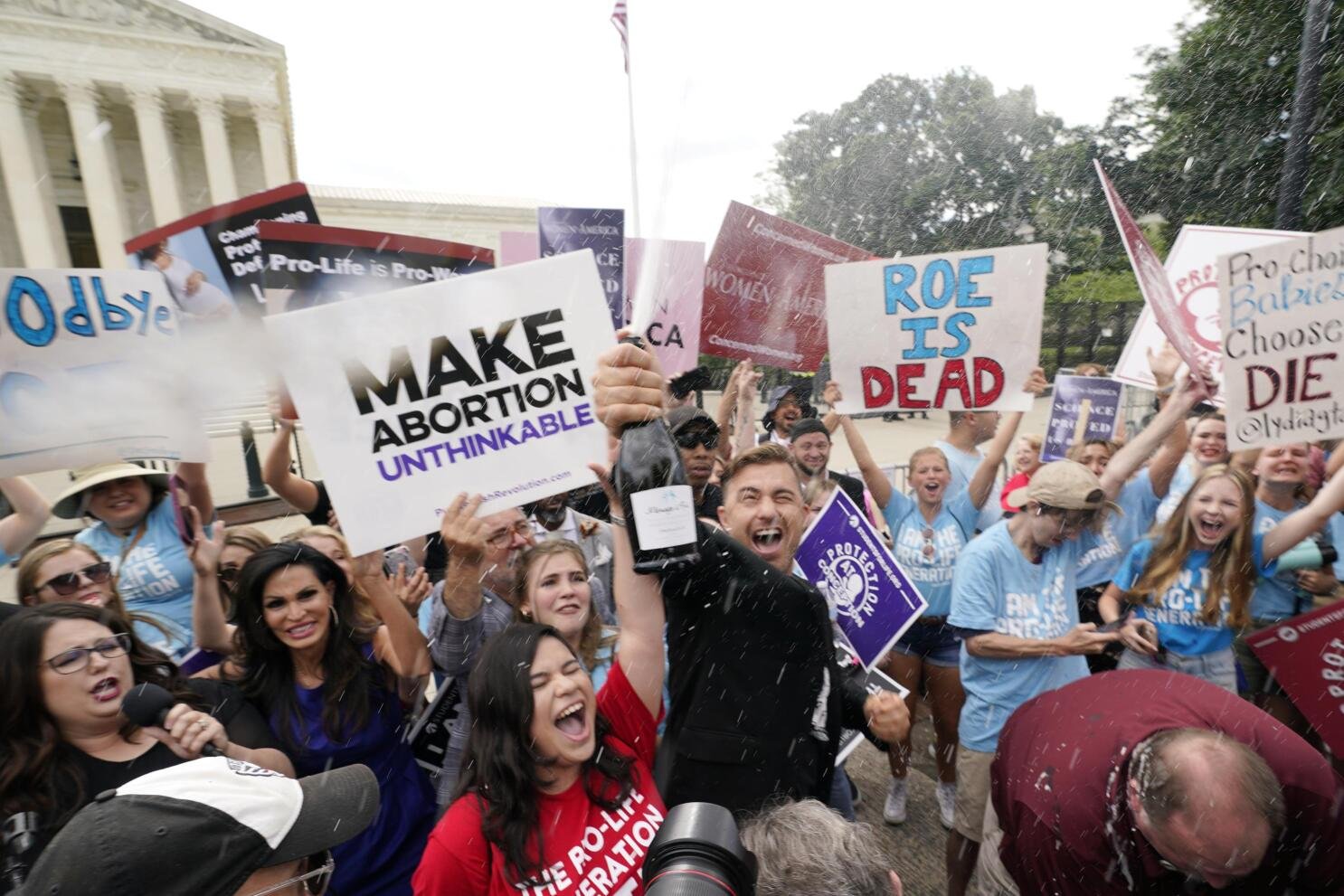
Legal analysts say these interstate disputes expose a broader constitutional question: how far a state can reach beyond its borders to enforce deeply divisive social policies. Shield laws — passed in about two dozen states to protect reproductive healthcare services — were crafted after the U.S. Supreme Court’s 2022 decision overturning Roe v. Wade, which returned abortion regulation to individual states.
As conservative states pursue more aggressive enforcement tactics and liberal states resist cooperation, these legal clashes may ultimately be decided by federal courts — including possibly the Supreme Court. That could shape not just abortion access, but the reach of state powers across the country for years to come.