

The U.S. government has issued a rare apology in federal court for the wrongful deportation of a 19-year-old Massachusetts college student — even as officials argue her removal should still stand. The move has triggered fresh debate over immigration enforcement and courtroom authority.
Webdesk | Act Global Media | January 15, 2026
Error Occurred Despite Court Order
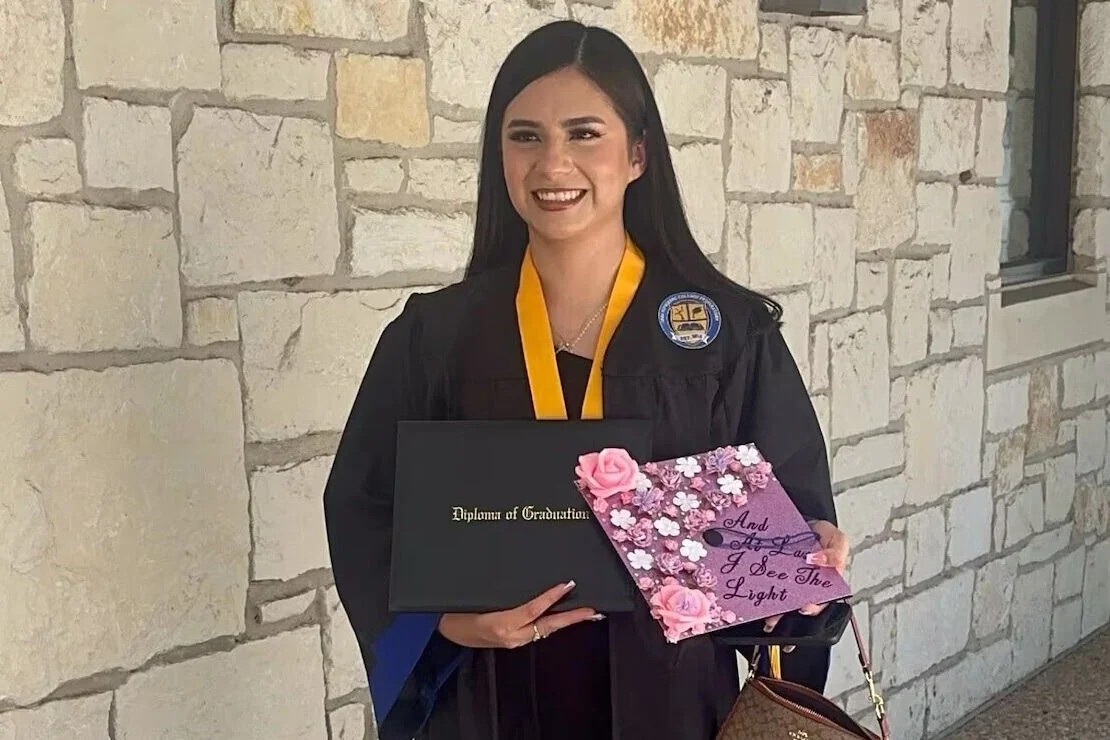
Any Lucia Lopez Belloza, a freshman at Babson College, was detained at Boston’s Logan International Airport last November while planning to surprise her family for Thanksgiving, then deported to Honduras despite an emergency court directive designed to delay her removal for at least 72 hours. Government attorneys conceded in a Boston federal hearing that immigration agents failed to follow that order, attributing the mistake to a misunderstanding of the judge’s instructions.
Assistant U.S. Attorney Mark Sauter told the judge the error was “an inadvertent mistake by one individual,” and offered the government’s apology, but also maintained the deportation was legally justified based on a prior removal order issued in 2016 — a stance critics have sharply rejected.
Lawyers Dispute Legal Basis
Lopez Belloza’s attorney, Todd Pomerleau, argued that the deportation violated the court’s order and deprived her of due process, insisting the government should facilitate her return so she can continue her studies. He said officials should have taken additional legal steps, such as filing for a stay of removal rather than moving forward with deportation.
Judge Richard Stearns described the episode as a “tragic bureaucratic mistake,” but suggested he may lack jurisdiction to sanction the government because the case was filed after Lopez Belloza had already left the state. He also indicated possible paths forward, including exploring a student visa that might enable her return to the United States.
Student’s Situation and Broader Implications
Lopez Belloza — who has lived in the U.S. since childhood after her family emigrated from Honduras — is currently staying with relatives abroad and continuing her Babson coursework online. Her case is one of several recent incidents involving deportations that proceeded despite active court interventions, raising questions about coordination between immigration enforcement and judicial orders.
As her legal team pushes for remedies, the episode highlights the tension between enforcement procedures and individual rights, and underscores broader concerns about how immigration agencies respond to judicial oversight and protect due process.