



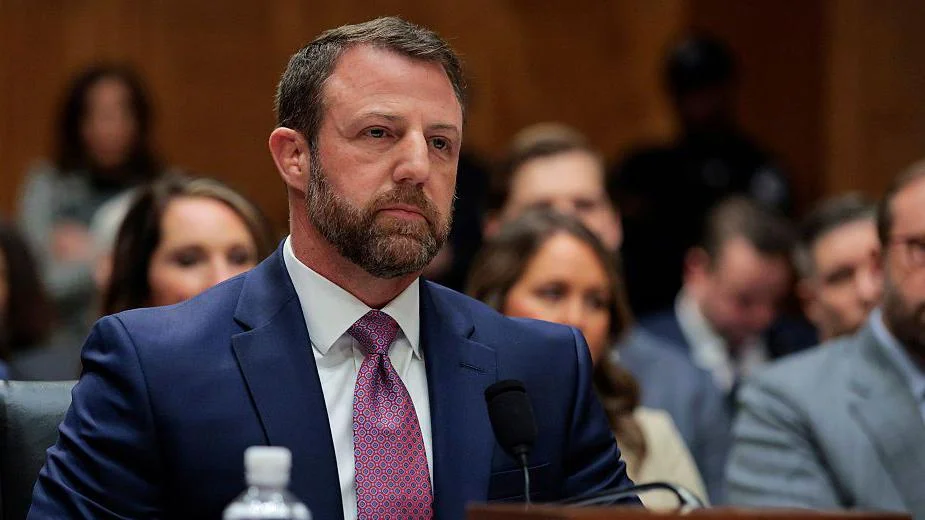
Senator Markwayne Mullin is emerging as a key political voice in calls for long-overdue reforms at the Department of Homeland Security (DHS), as lawmakers debate how to strengthen border security, modernize agencies, and improve coordination across the federal government’s largest security department.
Supporters say Mullin has positioned himself as an advocate for structural change within DHS, arguing that the department must adapt to evolving threats ranging from border management challenges to cyber risks and domestic security concerns. His proposals emphasize improving operational efficiency, strengthening enforcement coordination, and ensuring frontline personnel receive stronger institutional support.
The Department of Homeland Security, created after the September 11 attacks, oversees agencies including Customs and Border Protection, Immigration and Customs Enforcement, the Federal Emergency Management Agency, and the Transportation Security Administration. Analysts say the department’s broad responsibilities make reform efforts complex but necessary as threats continue to evolve.
Mullin has called for greater accountability in border operations and improved oversight of federal programs tied to immigration enforcement and infrastructure protection. He has also supported measures aimed at increasing cooperation between federal, state, and local authorities responsible for managing security risks across the country.
However, policy experts note that meaningful change at DHS requires bipartisan cooperation and coordination across multiple agencies. Reform proposals often face legislative hurdles and funding constraints that slow implementation timelines.
Critics caution that restructuring efforts must balance enforcement priorities with humanitarian responsibilities and civil-liberties protections. They also stress the importance of maintaining continuity in emergency-response capabilities while pursuing institutional changes.
As debates continue in Washington, Mullin’s role in shaping the direction of Homeland Security policy could influence how Congress approaches border security, disaster response readiness, and national-security coordination in the coming years.
Observers say the outcome of reform discussions may determine whether DHS evolves to meet emerging threats or continues to face pressure for deeper institutional transformation.