


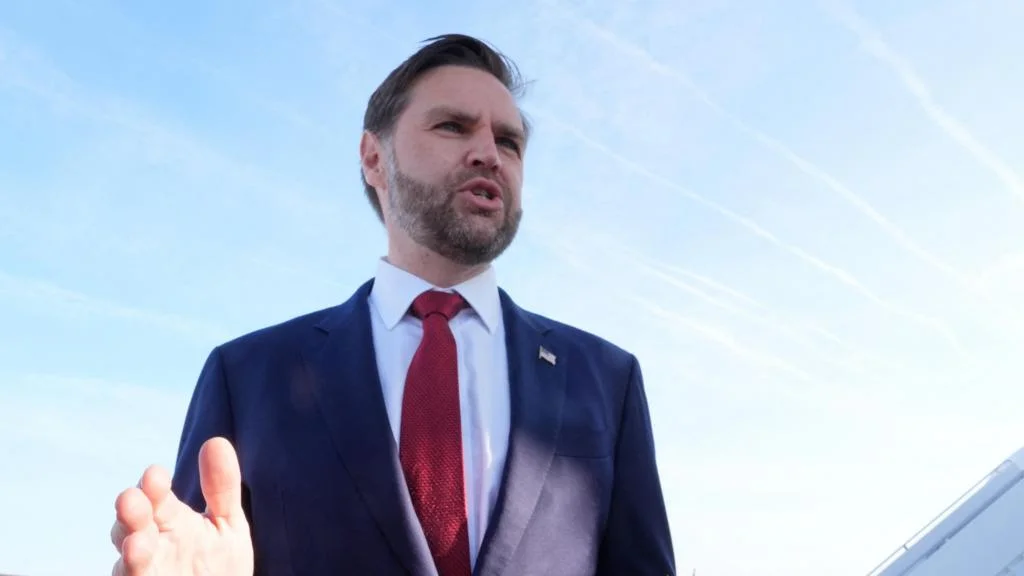
U.S. Vice President JD Vance has stepped into one of the most consequential diplomatic roles of his career, leading high-stakes negotiations with Iran that could shape both regional stability and his own political trajectory.
Vance is heading the U.S. delegation in critical peace talks with Iranian officials in Islamabad, part of a fragile effort to preserve a temporary ceasefire and prevent renewed military escalation between the two countries. The negotiations are widely viewed as the most significant direct diplomatic engagement between Washington and Tehran in decades.
Before departing for the talks, Vance warned Iran not to “play” the United States during negotiations, signaling that Washington is pursuing diplomacy but remains prepared to respond if talks collapse.
Analysts say the mission presents both opportunity and risk for the vice president. Iran reportedly preferred negotiating directly with Vance, viewing him as one of the more cautious voices within the administration regarding military escalation—an unusual level of trust that could help advance talks but also raises expectations for results.
At the same time, the negotiations are taking place amid ongoing regional tensions and disagreements over ceasefire conditions, including disputes tied to fighting involving Iranian allies in Lebanon. These issues continue to complicate progress toward a durable settlement.
For Vance, the diplomatic assignment could become a defining moment. A breakthrough agreement would strengthen his reputation as a foreign-policy negotiator and position him more prominently within Republican leadership. However, failure could expose him to criticism from both hawkish and anti-interventionist factions inside his party.
With the ceasefire described by officials as fragile and the possibility of renewed conflict still looming, the outcome of the talks may determine not only the next phase of U.S.–Iran relations—but also the direction of Vance’s political future on the national stage.