

The 2026 Illinois primary elections delivered major political signals ahead of November, reshaping key races and highlighting the influence of money, endorsements, and shifting voter priorities.
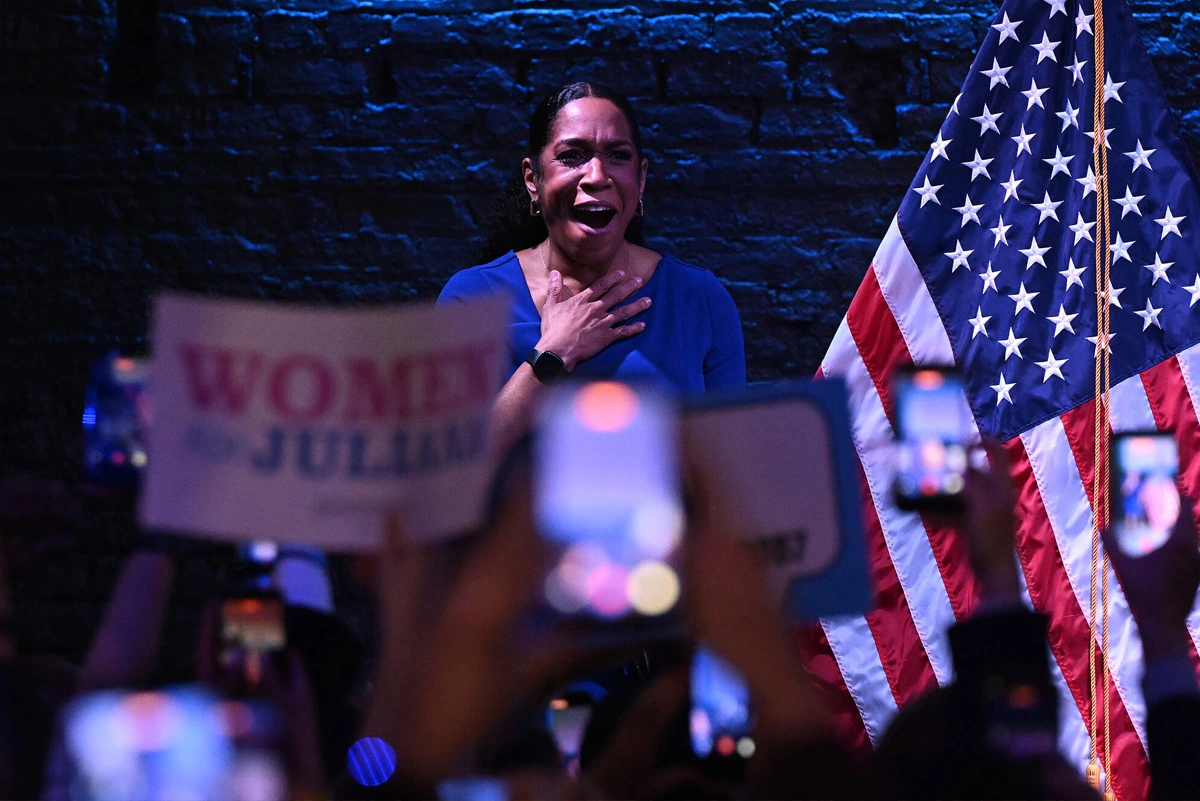
One of the biggest headlines was Lieutenant Governor Juliana Stratton’s victory in the Democratic primary for the U.S. Senate seat. Backed heavily by Governor J.B. Pritzker, Stratton defeated better-funded opponents, proving that political endorsements and ground support can outweigh massive campaign spending.
The race also revealed limits to outside influence. Crypto-backed groups and other industry-funded political action committees poured millions into the election, but many of their preferred candidates lost. This suggests that Illinois voters were not easily swayed by big-money campaigns alone.
Another key takeaway was Pritzker’s growing political strength. His support played a decisive role in Stratton’s win, reinforcing his influence within the Democratic Party and boosting speculation about his future national ambitions.
On the Republican side, Darren Bailey secured the gubernatorial nomination, setting up a rematch with Pritzker in November. Bailey’s strong rural support contrasted with weaker performance in urban areas, highlighting the state’s ongoing geographic political divide.
In congressional races, incumbents largely held their ground, while a few competitive primaries signaled potential battlegrounds for the general election. Republican Mary Miller easily won her primary, while Democrat Jennifer Todd emerged from a tighter contest, setting up a closely watched race in the 15th District.
Overall, the Illinois primaries underscored three themes: the enduring power of political endorsements, the limited impact of massive outside spending, and the continued divide between urban and rural voters. These dynamics are expected to shape the state’s political landscape as candidates head into a high-stakes general election.