


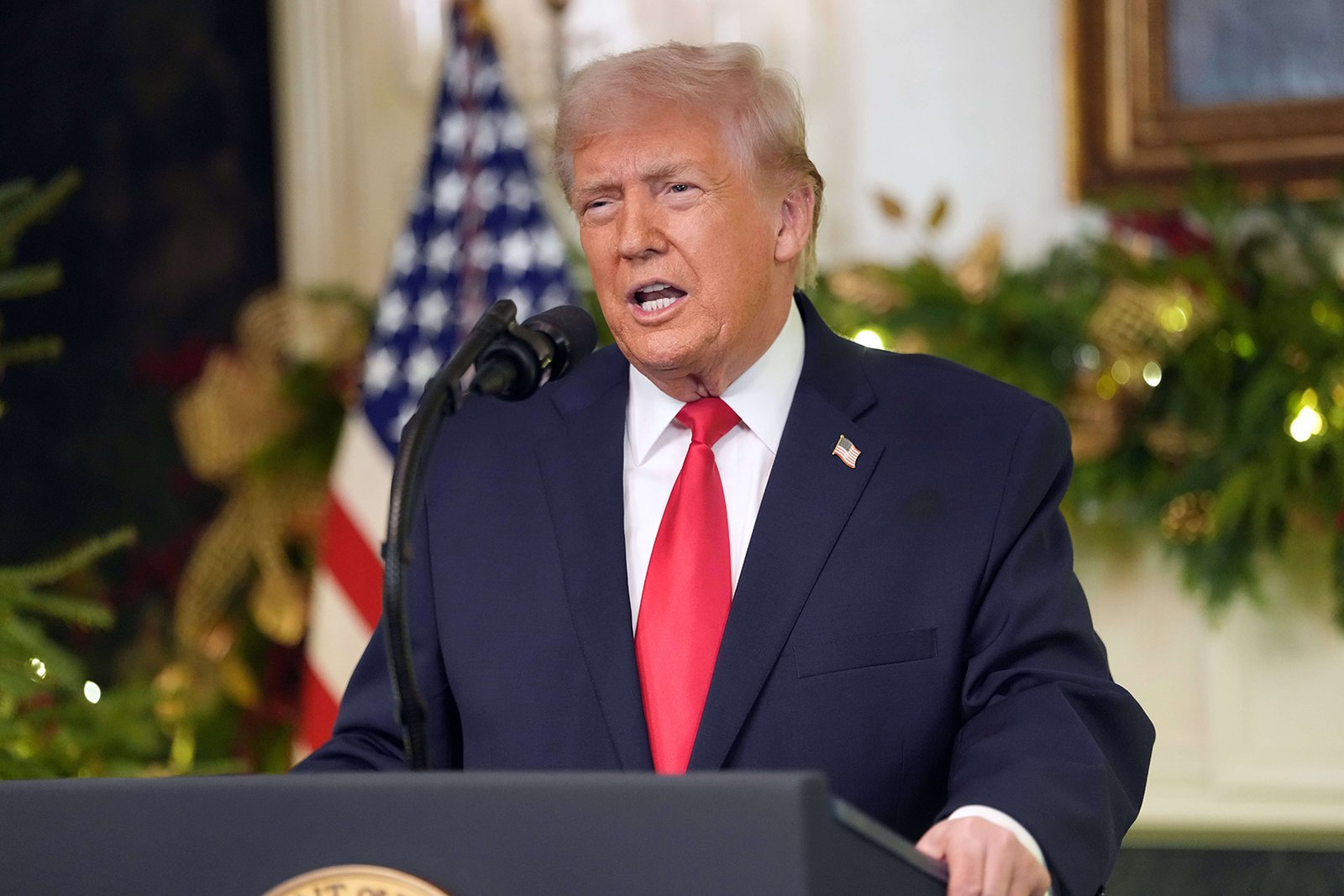
European leaders on Wednesday voiced sharp criticism of Donald Trump’s foreign policy approach, as renewed tensions surrounding Greenland cast a shadow over discussions at the World Economic Forum in Davos.
WEBDESK | ACT GLOBAL MEDIA | JANUARY 20, 2026
Speaking on the sidelines of the annual gathering, several European officials expressed concern that Trump’s policies risk undermining transatlantic cooperation at a time of growing global instability. The comments come amid heightened diplomatic unease following recent signals from Washington that have revived debates over Greenland’s strategic importance and its future role in global security.
Greenland, an autonomous territory of Denmark, has increasingly become a focal point in geopolitical discussions due to its Arctic location, natural resources, and growing military significance. European leaders warned that treating the issue primarily through a transactional or unilateral lens could strain relations with allies and weaken long-standing international norms.
At World Economic Forum meetings in Davos, officials emphasized the need for dialogue, multilateralism, and respect for sovereignty. Several leaders stressed that Europe would continue to advocate for cooperative solutions, particularly on security, climate change, and economic stability — areas they say have suffered from inconsistent U.S. engagement in recent years.
Trump’s foreign policy record, which has often favored bilateral deals and a more confrontational stance toward traditional allies, has long been a source of friction with European governments. The renewed focus on Greenland has amplified those concerns, with diplomats cautioning that escalating rhetoric could distract from more pressing global challenges.
Despite the criticism, European officials said they remain committed to maintaining strong ties with the United States. However, they signaled that Europe is increasingly prepared to assert its own strategic interests if transatlantic disagreements continue to deepen.
As discussions continue in Davos, the Greenland issue has emerged as a symbol of broader tensions between Europe and Washington — highlighting differing visions for global leadership, diplomacy, and the balance of power in an increasingly complex world.