


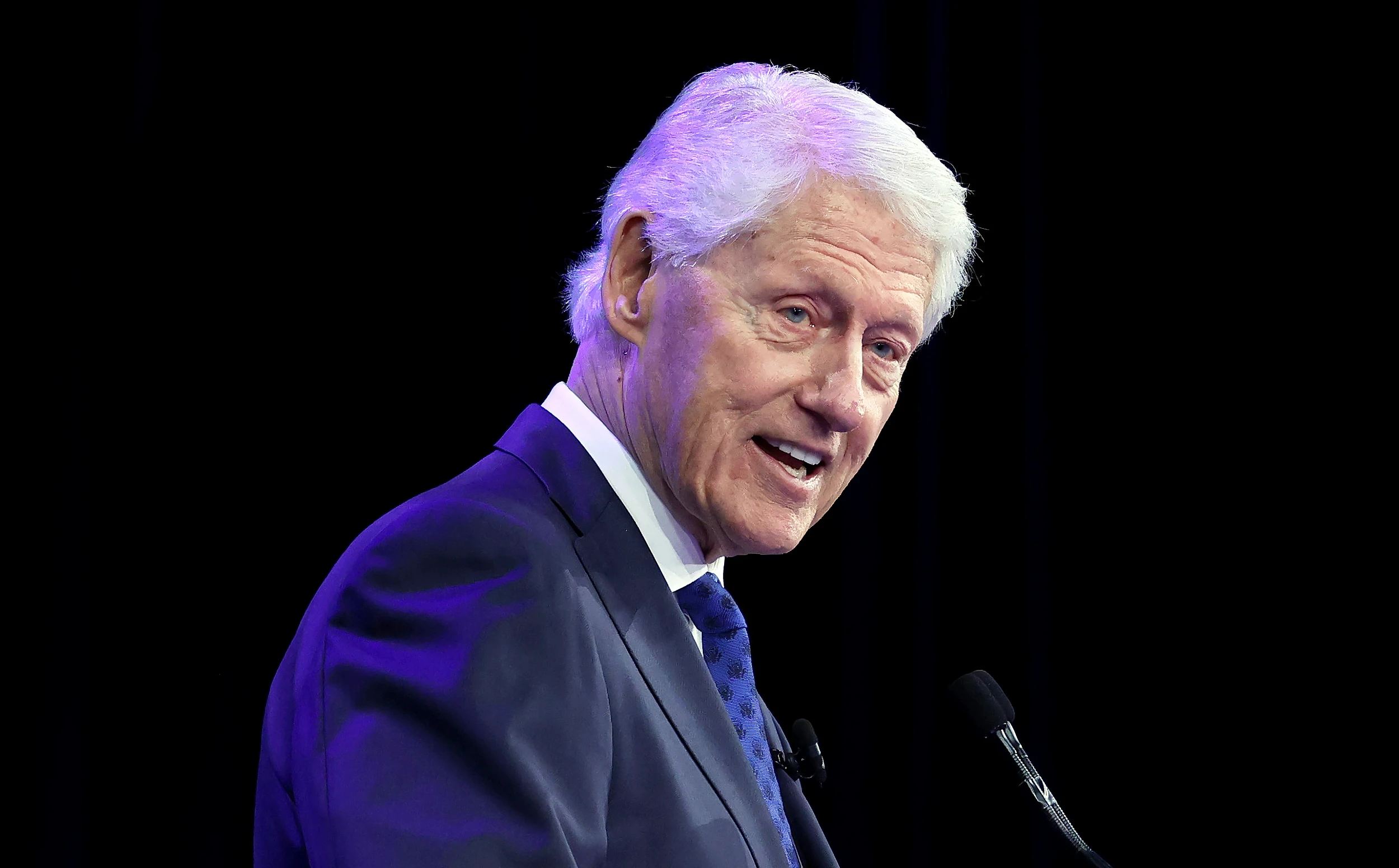
Bill Clinton has denied having any knowledge of the criminal activities of Jeffrey Epstein during a deposition described by legal observers as one of the most significant testimonies connected to the long-running investigation.
According to court filings and statements from attorneys involved, the former U.S. president said he was unaware of Epstein’s illegal conduct and had no reason at the time to suspect wrongdoing. Clinton acknowledged meeting Epstein on several occasions and confirmed he traveled on the financier’s private aircraft during trips connected to charitable and diplomatic work, but said the interactions were limited and professional.
The deposition forms part of ongoing civil litigation examining the broader network of individuals and institutions connected to Epstein, who died in federal custody in 2019 while awaiting trial on sex-trafficking charges. Lawyers questioned Clinton about the nature of his association with Epstein and the circumstances surrounding their meetings.
Representatives for Clinton said the testimony demonstrates he cooperated fully with investigators and provided detailed answers. They emphasized he severed contact years before Epstein’s legal troubles became widely known.
Attorneys representing plaintiffs in related cases argue the testimony is a key step in clarifying who knew what and when. Legal experts note depositions are routine in civil proceedings but can carry major public interest when high-profile figures are involved.
The case continues to generate political and legal fallout years after Epstein’s death, as courts examine accountability and potential negligence by individuals and organizations linked to him.
While the deposition may not end broader questions surrounding Epstein’s network, it marks a significant development in ongoing efforts to establish a clearer record of events and relationships.