

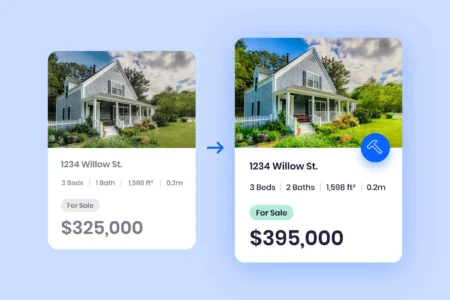
Fix-and-flip investing is one of the most recognizable strategies in real estate entrepreneurship. The strategy involves purchasing a property—often below market value—renovating or improving it, and reselling it for a higher price. The potential profitability of house flipping has attracted investors for decades. However, successful flips depend heavily on careful financial analysis. Investors must estimate acquisition costs, renovation expenses, financing costs, and resale value before purchasing a property. Industry data suggests that house flipping remains a significant segment of the housing market. According to property data company ATTOM, 72,217 homes were flipped in the third quarter of 2025, representing 6.8% of all home sales nationwide. Despite fluctuations in profitability, flipping continues to be widely practiced. Recent reports show that the typical flipped property generated a gross profit of about $60,000, representing an average return on investment (ROI) of approximately 23.1% before expenses. To evaluate deals effectively, investors commonly use a…






Real Estate

Property Taxes and Retirement Housing Costs in Florida Housing costs are one of the largest financial expenses for…

Understanding Property Taxes on Investment Properties in Florida Property taxes represent one of the largest recurring operating expenses…

The Importance of Paying Property Taxes in Florida Property taxes are one of the most significant recurring obligations…
Business News

The United States economy lost approximately 92,000 jobs in February, while the national unemployment rate rose to 4.4%,…

Small businesses across the United States say the ongoing conflict involving the United States and Iran is beginning…

As Middle East tensions disrupt global aviation, airlines are using intelligence reports, security risk assessments, and emergency air…












ENTERTAINMENT




Politics / US News




Sports News





world news