

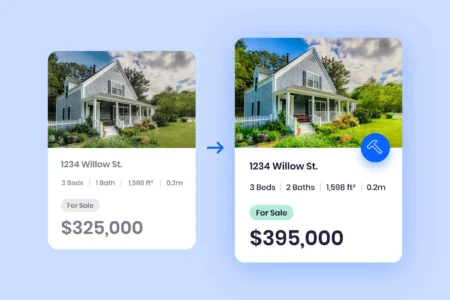
Fix-and-flip investing is one of the most recognizable strategies in real estate entrepreneurship. The strategy involves purchasing a property—often below market value—renovating or improving it, and reselling it for a higher price. The potential profitability of house flipping has attracted investors for decades. However, successful flips depend heavily on careful financial analysis. Investors must estimate acquisition costs, renovation expenses, financing costs, and resale value before purchasing a property. Industry data suggests that house flipping remains a significant segment of the housing market. According to property data company ATTOM, 72,217 homes were flipped in the third quarter of 2025, representing 6.8% of all home sales nationwide. Despite fluctuations in profitability, flipping continues to be widely practiced. Recent reports show that the typical flipped property generated a gross profit of about $60,000, representing an average return on investment (ROI) of approximately 23.1% before expenses. To evaluate deals effectively, investors commonly use a…





Real Estate

The Hidden Cost of Homeownership When most people evaluate the affordability of a home, the primary focus is…

Why Property Tax Deductions Matter for Homeowners Property taxes also play a major role in determining overall housing…

Why Property Tax Comparisons Matter Property taxes are one of the largest recurring costs of homeownership in the…
Business News

The U.S. economy grew at a sluggish 0.7% annual rate in the fourth quarter of 2025, a sharp…

Campbell’s stock heads toward a 23-year low after weak earnings and declining soup and snack sales. The company…

Oil rises toward $85 as markets brace for historic emergency reserve release amid Iran war
 Imran Malik
Oil prices rise toward $85 as markets await a possible historic release of emergency reserves, while the Iran…












ENTERTAINMENT




Politics / US News




Sports News





world news