

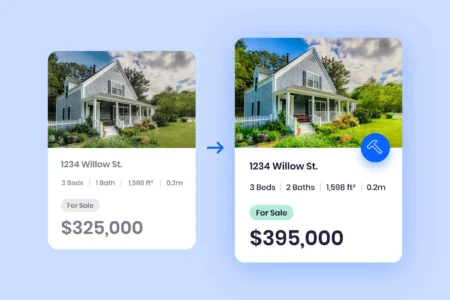
Fix-and-flip investing is one of the most recognizable strategies in real estate entrepreneurship. The strategy involves purchasing a property—often below market value—renovating or improving it, and reselling it for a higher price. The potential profitability of house flipping has attracted investors for decades. However, successful flips depend heavily on careful financial analysis. Investors must estimate acquisition costs, renovation expenses, financing costs, and resale value before purchasing a property. Industry data suggests that house flipping remains a significant segment of the housing market. According to property data company ATTOM, 72,217 homes were flipped in the third quarter of 2025, representing 6.8% of all home sales nationwide. Despite fluctuations in profitability, flipping continues to be widely practiced. Recent reports show that the typical flipped property generated a gross profit of about $60,000, representing an average return on investment (ROI) of approximately 23.1% before expenses. To evaluate deals effectively, investors commonly use a…





Real Estate

When deciding whether to buy a new construction home or an existing home, U.S. buyers often focus on…

Choosing between a condominium, townhouse, or single-family home is one of the most consequential decisions U.S. homebuyers make.…

Homeowners Association (HOA) fees are one of the most common—and often misunderstood—ongoing costs of homeownership in the United…
Business News

Abu Dhabi, January 18, 2026 — Abu Dhabi-based renewable energy leader Masdar is accelerating plans to expand its…

Ashley St. Clair, the 27-year-old mother of one of Elon Musk’s children, has filed a high-profile lawsuit against…

Trump Claims Economic Success as Many Americans Still Struggle With Rising Living Costs
 Media Team
President Donald Trump has portrayed his first year back in the White House as a major economic victory,…












ENTERTAINMENT




Politics / US News




world news