

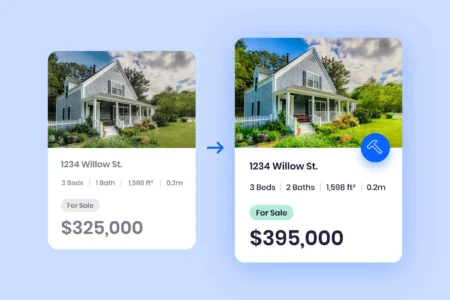
Fix-and-flip investing is one of the most recognizable strategies in real estate entrepreneurship. The strategy involves purchasing a property—often below market value—renovating or improving it, and reselling it for a higher price. The potential profitability of house flipping has attracted investors for decades. However, successful flips depend heavily on careful financial analysis. Investors must estimate acquisition costs, renovation expenses, financing costs, and resale value before purchasing a property. Industry data suggests that house flipping remains a significant segment of the housing market. According to property data company ATTOM, 72,217 homes were flipped in the third quarter of 2025, representing 6.8% of all home sales nationwide. Despite fluctuations in profitability, flipping continues to be widely practiced. Recent reports show that the typical flipped property generated a gross profit of about $60,000, representing an average return on investment (ROI) of approximately 23.1% before expenses. To evaluate deals effectively, investors commonly use a…





Real Estate

Florida’s Housing Market Enters a Normalization Phase Economists broadly agree that Florida home prices will grow slowly or…

Why Florida Remains a Top Rental Investment Market Florida has become one of the most active real estate…

Property taxes represent one of the primary recurring costs associated with homeownership in the United States. Local governments…
Business News

Eli Lilly’s CEO says upcoming Medicare coverage of obesity drugs could transform the market, sharply lowering costs and…

Apple Inc. delivered a rocking performance in its fiscal first quarter of 2026, reporting record-breaking revenue as demand…

BREAKING: Federal Reserve Freezes Interest Rates After Cut Streak Ends, Decision Overshadowed by Powell Probe
 Media Team
The US Federal Reserve on Wednesday held interest rates steady, bringing an abrupt pause to a run of…












ENTERTAINMENT




Politics / US News




world news