

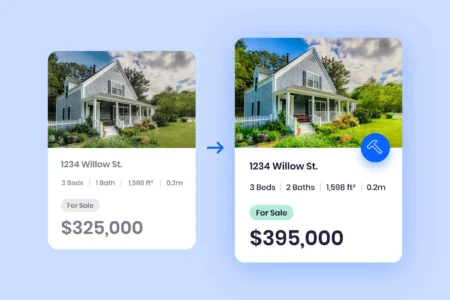
Fix-and-flip investing is one of the most recognizable strategies in real estate entrepreneurship. The strategy involves purchasing a property—often below market value—renovating or improving it, and reselling it for a higher price. The potential profitability of house flipping has attracted investors for decades. However, successful flips depend heavily on careful financial analysis. Investors must estimate acquisition costs, renovation expenses, financing costs, and resale value before purchasing a property. Industry data suggests that house flipping remains a significant segment of the housing market. According to property data company ATTOM, 72,217 homes were flipped in the third quarter of 2025, representing 6.8% of all home sales nationwide. Despite fluctuations in profitability, flipping continues to be widely practiced. Recent reports show that the typical flipped property generated a gross profit of about $60,000, representing an average return on investment (ROI) of approximately 23.1% before expenses. To evaluate deals effectively, investors commonly use a…






Real Estate

A Data-Driven Analysis of Rent Growth, Housing Supply, Vacancy Rates, and Demand Across Florida Introduction: The Changing Landscape…

A Data-Driven Comparison of Housing Prices, Inventory, Population Growth, Mortgage Trends, and Market Dynamics Why Florida’s Housing Market…

A Data-Driven Analysis of Population Growth, Housing Prices, Market Trends, and Investment Potential Why Florida Continues to Attract…
Business News

The Chan Zuckerberg Initiative (CZI) is laying off nearly 70 employees based in Redwood City, marking one of…

As US automakers slow their electric vehicle plans, Chinese companies surge ahead globally, raising concerns that America could…

Wall Street slid as Alphabet’s massive AI spending plan and Qualcomm’s weak outlook shook investor confidence, dragging tech…












ENTERTAINMENT




Politics / US News




world news