

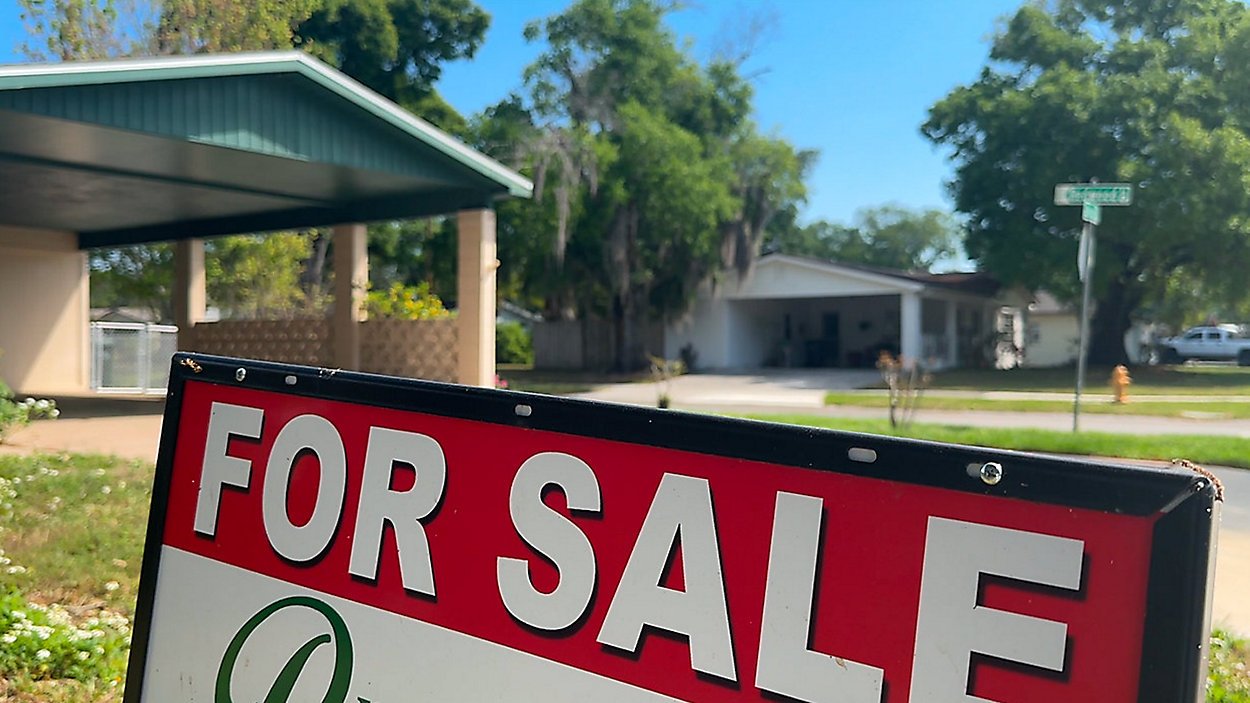
Orlando’s housing market entering February 2026 looks more balanced than the peak-pandemic years, with buyer leverage improving compared with ultra-tight conditions, but pricing still supported by long-term demand drivers (population growth, job base, limited “move-up” listings). Across widely cited market trackers, the story is consistent: prices in the Orlando housing market are relatively stable, days on market are longer than the frenzy years, and inventory/choices are meaningfully better, which typically reduces bidding wars and increases concessions. This update uses the most recent publicly available local snapshot data (late January / early February releases) and national context indicators.
1) Where prices are right now (and what “stable” really means)
City-level sale price snapshot
Redfin’s Orlando city market page shows a median sale price around $400,000 in the most recent “last month” reading, with median price per square foot around $247 and homes selling in ~62 days (Redfin Orlando Housing Market, accessed Feb 2026). These figures indicate a market that is not collapsing and not overheating—it’s behaving closer to a “normal” pace.
Local association snapshot (Orlando regional trend)
ORRA’s public market update content (late January 2026) indicates a median price in the Orlando region hovering around $410,000 and notes that the data is generally reported with a lag (ORRA Instagram market update, late Jan 2026, accessed Feb 2026). That aligns with the broader “stable-to-slightly-up” pricing narrative being published by major housing trackers.
Why you can see different numbers in different places
It’s normal for Orlando market stats to vary between sources because:
- Some report city limits vs metro vs MLS region.
- Some use closed sales (lagging) vs listings (faster).
- Some use median vs average, and different property filters (single-family only vs all residential).
Practical interpretation (educational, not advice):
When multiple independent sources cluster around the same range (roughly high-$300s to low-$400s median), it usually signals price normalization, not extreme volatility.
2) Inventory and “buyer leverage” in Orlando (what changed vs prior years)
One of the biggest affordability pressures in recent years was choice scarcity—too many buyers chasing too few homes. Orlando in early 2026 is showing more signs of balance.
Evidence of a more balanced market (local weekly snapshot):
ORRA’s weekly “Monday Morning Quarterback” style reporting for late January (released Feb 2, 2026) shows, for single-family:
- Active inventory up ~5.2% since Jan 1
- Months supply around ~6.0 (a level often associated with a more balanced buyer/seller dynamic)
- Sale-to-list ratio around the mid-90%s (suggesting buyers are negotiating more than during peak years)
(ORRA Monday Morning Quarterback PDF dated 2026-02-02; week ending Jan 31, 2026).
How to read those signals (educational interpretation):
- When months supply rises, buyers usually gain more ability to compare homes, request repairs, and negotiate.
- When sale-to-list % falls from near-100%+ to mid-90%s, it often indicates less bidding pressure and more price discovery.
This doesn’t mean “cheap homes,” but it often means fewer rush decisions compared with the most competitive years.
3) Days on market (DOM) and what it tells you about demand
Days on market is one of the clearest “temperature” indicators for local markets.
- Redfin’s Orlando city snapshot shows homes selling in around 62 days (Redfin Orlando Housing Market, accessed Feb 2026).
- A separate Orlando regional blog-style report (tourist/resort-area oriented) referenced average times to sell/close well over 100 days, illustrating how DOM can vary widely by submarket and property type (T&D Florida, Orlando market news published Feb 1, 2026, referencing January activity).
Why DOM matters (educational):
- Short DOM usually means strong demand, quick decisions, and less negotiation.
- Longer DOM often means buyers are more selective, financing is more rate-sensitive, and sellers may need to adjust pricing or offer concessions to stand out.
In early 2026, Orlando appears to be in the “selective buyer” zone more often than the “instant offer frenzy” zone.
4) Mortgage rates: why 6% “feels different” than 7% (even if prices don’t move much)
Mortgage rates heavily influence affordability because most buyers shop by monthly payment, not just purchase price.
Freddie Mac’s Primary Mortgage Market Survey (PMMS) is one of the most cited benchmarks for national mortgage rate trends. In mid-January 2026, Freddie Mac reported the average 30-year fixed rate around ~6.06% (Freddie Mac PMMS, Jan 2026). Even modest declines from higher levels can improve payment math and may bring some buyers back.
Important compliance note:
This is not a rate quote, not a loan offer, and not individualized guidance. It’s a national benchmark used for market education.
Why this matters locally in Orlando (educational):
If rates stabilize or drift down, demand can firm up—especially in price bands where monthly payment sensitivity is high. If rates rise again, demand may soften even if sellers “want” last year’s pricing.
5) Affordability pressure: what national housing research shows (and why Orlando is not immune)
Even if Orlando pricing is stable, affordability can still be strained if incomes don’t keep up with housing costs.
National affordability signals (context you can compare locally):
- NAR has published research showing that many U.S. households can afford only a limited share of listings at common income levels, highlighting how affordability can remain tight even when markets cool (National Association of REALTORS®, Housing Affordability / listings affordability research, 2025).
- HUD’s “Worst Case Housing Needs” reporting underscores that severe rent burdens remain a significant issue nationally for very low-income households, reflecting broader affordability stress that can spill into high-growth metros (HUD Worst Case Housing Needs Report to Congress, 2025).
Why include this in an Orlando update?
Orlando is a major job and tourism hub with ongoing in-migration and household formation pressures. When affordability is tight nationally, it often shows up locally as:
- More buyers “downshifting” (smaller homes, farther out, different property types).
- More renters staying renters longer (strong rental competition).
- More negotiation around concessions and closing costs rather than just list price.
6) What the rental market signals (why it matters even if you’re focused on buying)
Orlando’s housing market isn’t just about homebuyers. Rental demand influences investor behavior, household formation, and price “floors” in certain submarkets.
At the national level, the Census Housing Vacancy Survey has reported rental vacancy and homeowner vacancy rates that are commonly used as broad “tightness” indicators (U.S. Census Bureau Housing Vacancy Survey, 2025 releases). These national measures don’t isolate Orlando, but they provide context: when rental markets are tight, households that would otherwise buy may remain renters, and that keeps rental demand elevated.
Local implication (educational):
If rental demand remains high while for-sale demand is more rate-sensitive, you can see “two speeds” in the same metro:
- Entry-level homes with strong buyer competition (if inventory is limited).
- Higher price points moving slower (more optional demand).
7) What’s likely driving Orlando’s early-2026 market behavior
This section is educational market analysis based on publicly available indicators, not a prediction.
- A) Inventory is improving, but not unlimited
The local inventory trend signals (including weekly association snapshots) suggest more options than peak years, which supports negotiation (ORRA weekly PDF dated 2026-02-02). - B) The “lock-in” effect still matters
Many homeowners have mortgage rates well below current market rates, which can reduce willingness to sell—keeping resale inventory from fully opening up. This dynamic has been widely discussed across housing research commentary and is consistent with observed national behavior in higher-rate environments. - C) Orlando remains a demand magnet
Orlando benefits from a large employment base, strong tourism ecosystem, and continued population/household growth patterns typical of large Sun Belt metros (U.S. Census Bureau / ACS metro-area data context). - D) Buyers are more payment-focused than price-focused
Rate-sensitive affordability is pushing many households to center decisions around monthly payment, not just headline price.
8) “What should I watch next?” (February 2026 checklist of market indicators)
These are neutral indicators you can monitor week-to-week or month-to-month:
- New listings: Are more sellers coming to market?
- Pending sales: Are buyers writing contracts again (often a leading indicator)?
- Months of supply: A practical measure of market balance.
- Sale-to-list price %: Negotiation intensity.
- Median price per square foot: Helpful for comparing across property sizes.
- Days on market by price tier: Reveals where demand is strongest.
- Mortgage rate benchmarks (Freddie Mac PMMS): A key affordability driver.
Sources & attribution (publicly available)
- Orlando Regional REALTOR® Association (ORRA): weekly “Monday Morning Quarterback” style PDF dated 2026-02-02 (week ending Jan 31, 2026) and ORRA public market update posts.
- Redfin: Orlando, FL housing market snapshot page (accessed Feb 2026).
- Freddie Mac: Primary Mortgage Market Survey (PMMS), Jan 2026.
- National Association of REALTORS® (NAR): affordability / listings affordability research references (2025).
- U.S. Department of Housing and Urban Development (HUD): Worst Case Housing Needs Report to Congress (2025).
- U.S. Census Bureau: Housing Vacancy Survey (2025 releases) and ACS context references.
Author:
Written by: Asim Iftikhar — Real Estate Contributor, ACT Global Media
Florida Real Estate License: SL3633555 | Florida Notary Commission: HH 709161
Editorial Disclosure & Compliance Notice
This article is provided for general informational purposes only and does not constitute real estate, mortgage, credit, financial, legal, or investment advice. It is not a solicitation, offer, inducement, or advertisement for any specific transaction or lending product. Market data may be reported with a time lag and can vary by source methodology and geography. Readers should consult qualified, licensed professionals for guidance specific to their individual situation
