

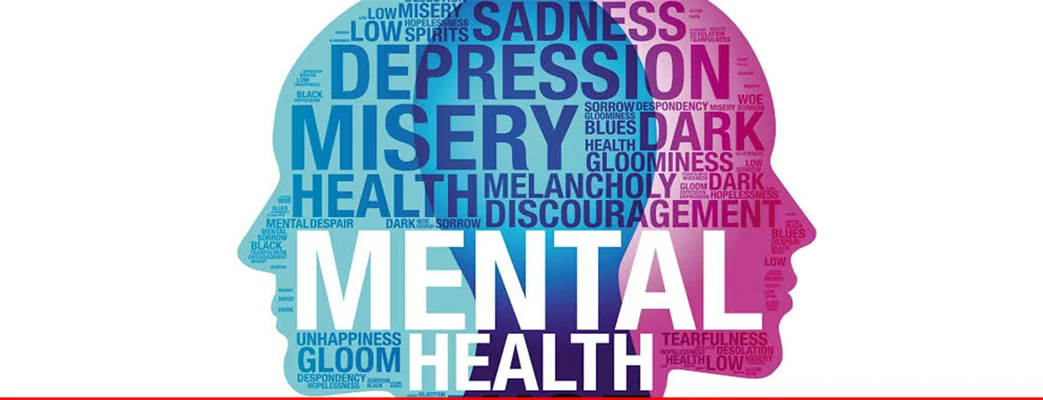
Mental health issues have emerged as one of the most pressing public health challenges of the modern era, affecting people across age groups, cultures, and socioeconomic backgrounds. Once surrounded by stigma and silence, mental health is now increasingly recognized as a critical component of overall well-being—equal in importance to physical health.
Mental health conditions range from common disorders such as anxiety and depression to more severe illnesses including bipolar disorder, schizophrenia, and post-traumatic stress disorder (PTSD). According to global health experts, stress, social isolation, economic uncertainty, trauma, and rapid lifestyle changes have all contributed to a sharp rise in mental health concerns in recent years.
One of the greatest challenges surrounding mental health issues is underdiagnosis. Many individuals struggle in silence, fearing judgment or misunderstanding. In some cultures, mental illness is still viewed as a personal weakness rather than a medical condition, discouraging people from seeking help. As a result, symptoms often worsen over time, affecting relationships, work performance, and physical health.
Mental health issues do not exist in isolation. They are closely linked to chronic diseases, substance abuse, and even cardiovascular conditions. Untreated mental illness can reduce life expectancy and significantly impact quality of life. Experts emphasize that early intervention, access to professional care, and strong support systems are essential for recovery and long-term management.
Encouragingly, awareness is growing. Schools, workplaces, and governments are beginning to prioritize mental health through education, counseling services, and policy reforms. Digital therapy platforms and telehealth services have also expanded access to care, especially in underserved regions.
Ultimately, addressing mental health issues requires collective action—open conversations, compassionate attitudes, and sustained investment in mental healthcare. By treating mental health with the seriousness it deserves, societies can move closer to a future where seeking help is seen not as a weakness, but as a vital step toward healing and resilience.
