

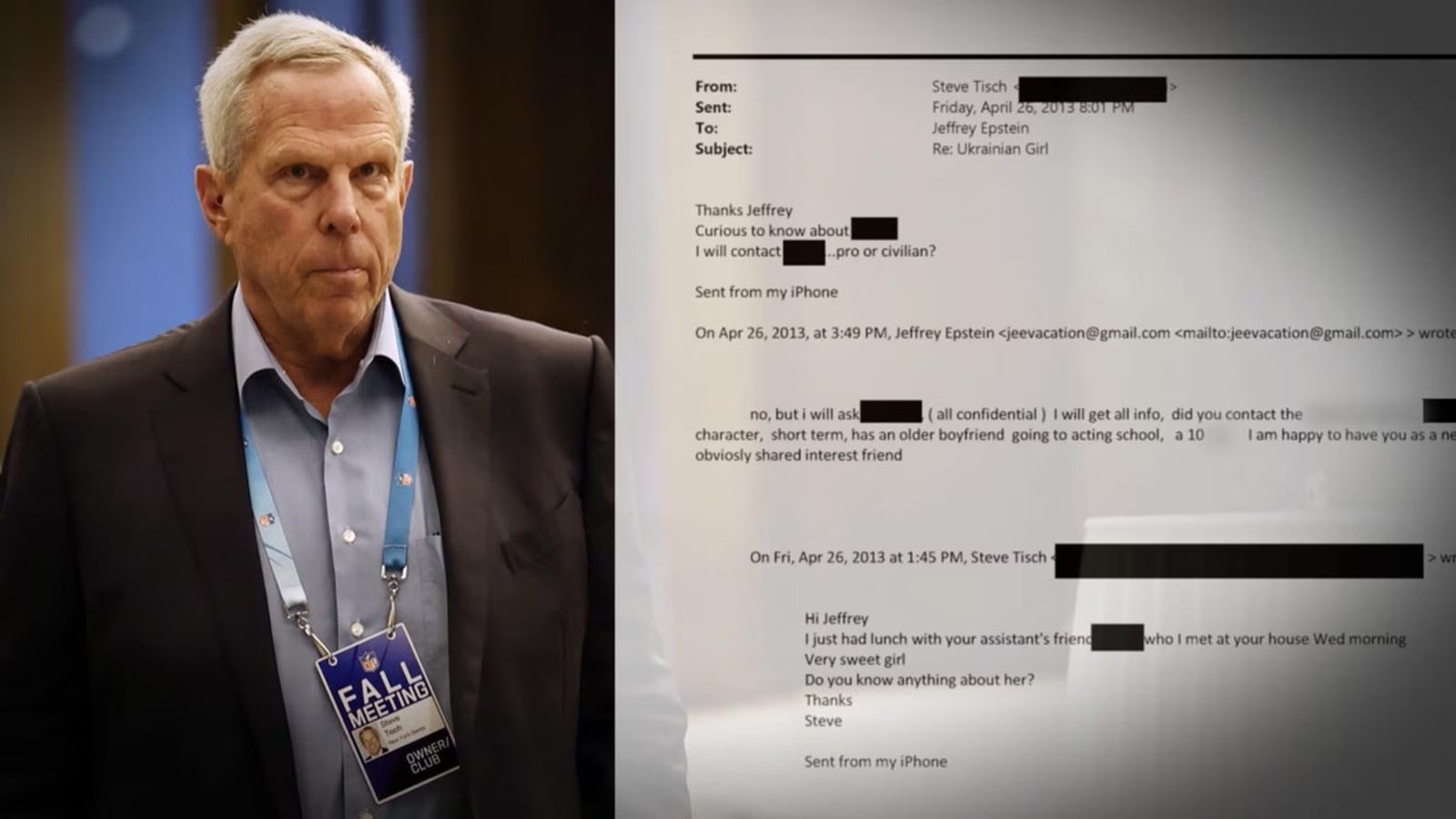
A wide range of well-known figures have been referenced in the so-called Epstein files, reigniting public debate and scrutiny over the extent of Jeffrey Epstein’s network and associations. The documents, released as part of ongoing legal proceedings and court disclosures, contain names of politicians, business leaders, celebrities, and public figures who had varying degrees of contact with Epstein over the years.
Legal experts and investigators have repeatedly stressed that being named in the files does not imply wrongdoing. In many cases, individuals are mentioned in flight logs, contact lists, emails, or witness testimony without any allegation of criminal activity. Nonetheless, the disclosures have drawn renewed attention to how Epstein was able to maintain relationships with influential people while operating his long-running sex-trafficking operation.
The release of the documents has prompted calls for greater transparency and accountability, particularly from victims’ advocates who argue that Epstein’s power and connections enabled years of abuse. They say full disclosure is necessary to understand how systems failed to protect vulnerable individuals and how accountability may have been avoided.
Several individuals named in the files have denied any involvement in illegal activity, with some stating they had only brief or professional contact with Epstein. Others have emphasized that their names appear without context, cautioning against speculation or guilt by association.
The Epstein case continues to have far-reaching implications, raising broader questions about wealth, influence, and access to power. It has also renewed discussions around legal reform, survivor support, and the need for stronger safeguards against exploitation.
As more documents become public, authorities and journalists are expected to continue examining the material carefully, distinguishing between substantiated allegations and mere references, while keeping the focus on justice for victims and systemic accountability.
