




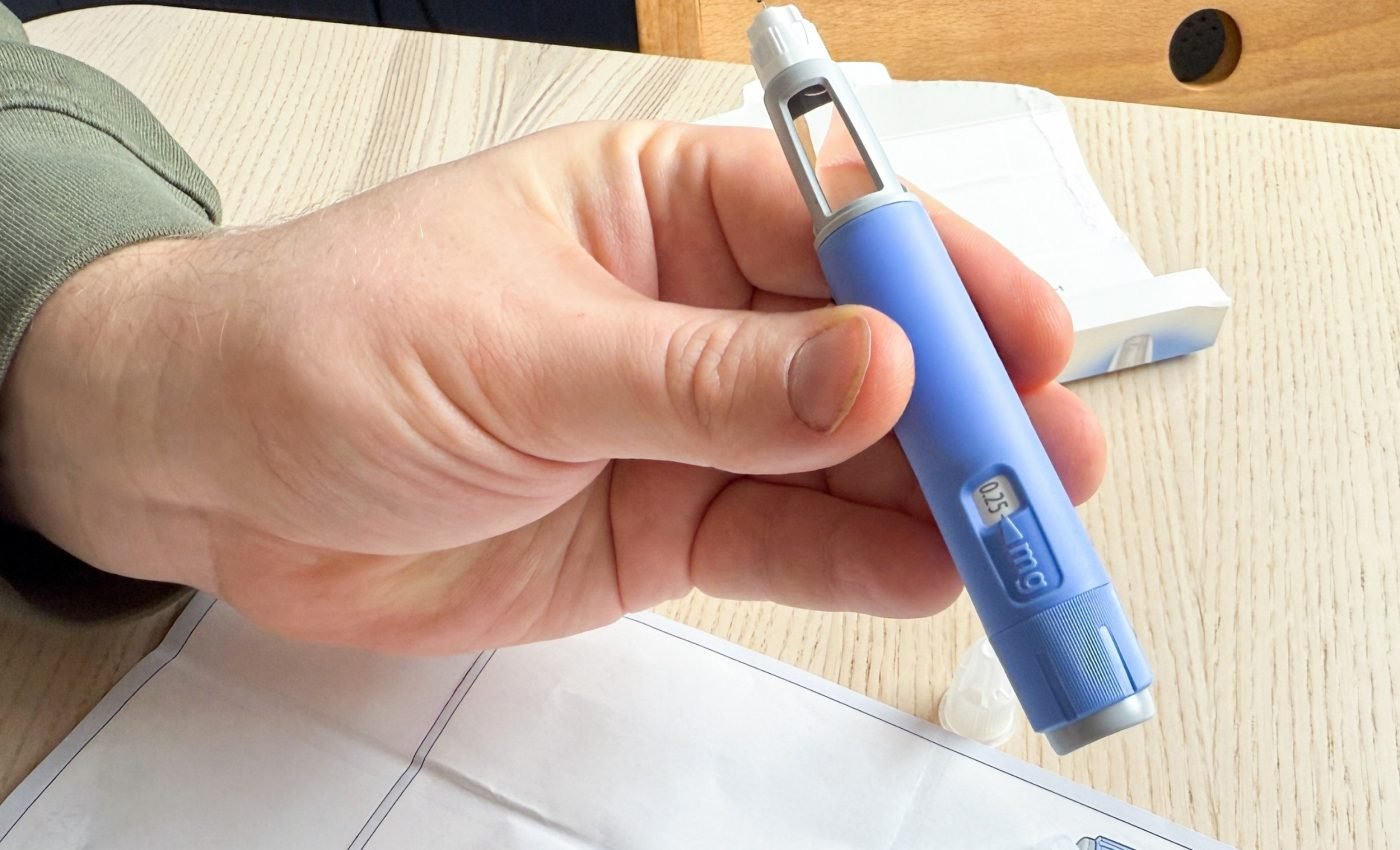
Scientists are increasingly exploring whether popular weight-loss medications could also be used to treat addiction, as emerging research suggests the drugs may reduce cravings for substances such as alcohol, nicotine, and opioids.
The medications, originally developed to treat type 2 diabetes and later widely prescribed for weight loss, work by mimicking hormones that regulate appetite and blood sugar levels. These drugs influence brain pathways linked to hunger and reward—areas that are also closely associated with addictive behaviors.
Researchers believe that by affecting these brain circuits, the medications may help reduce compulsive cravings, not only for food but potentially for addictive substances as well. Early studies and patient reports have indicated that some people taking the drugs for weight loss have experienced reduced interest in alcohol, smoking, or other addictive habits.
Preliminary clinical studies are beginning to support these observations. Some researchers have reported that individuals using the medications showed decreased alcohol consumption and reduced cravings compared with those not taking the drugs. Scientists say these early findings suggest the medications may influence the brain’s reward system in ways that could help manage addiction.
However, experts caution that the research is still in its early stages. Most studies so far have been small, and more extensive clinical trials will be needed before the drugs can be widely recommended as a treatment for addiction.
Addiction specialists also stress that medication alone is unlikely to replace established treatments such as counseling, behavioral therapy, and support programs. Instead, the drugs could potentially become part of a broader treatment strategy in the future.
If ongoing research confirms the early results, these medications could represent a new approach to addressing addiction, a condition that affects millions of people worldwide. For now, scientists continue to study how these drugs influence the brain and whether they could eventually become an effective tool in addiction treatment.