

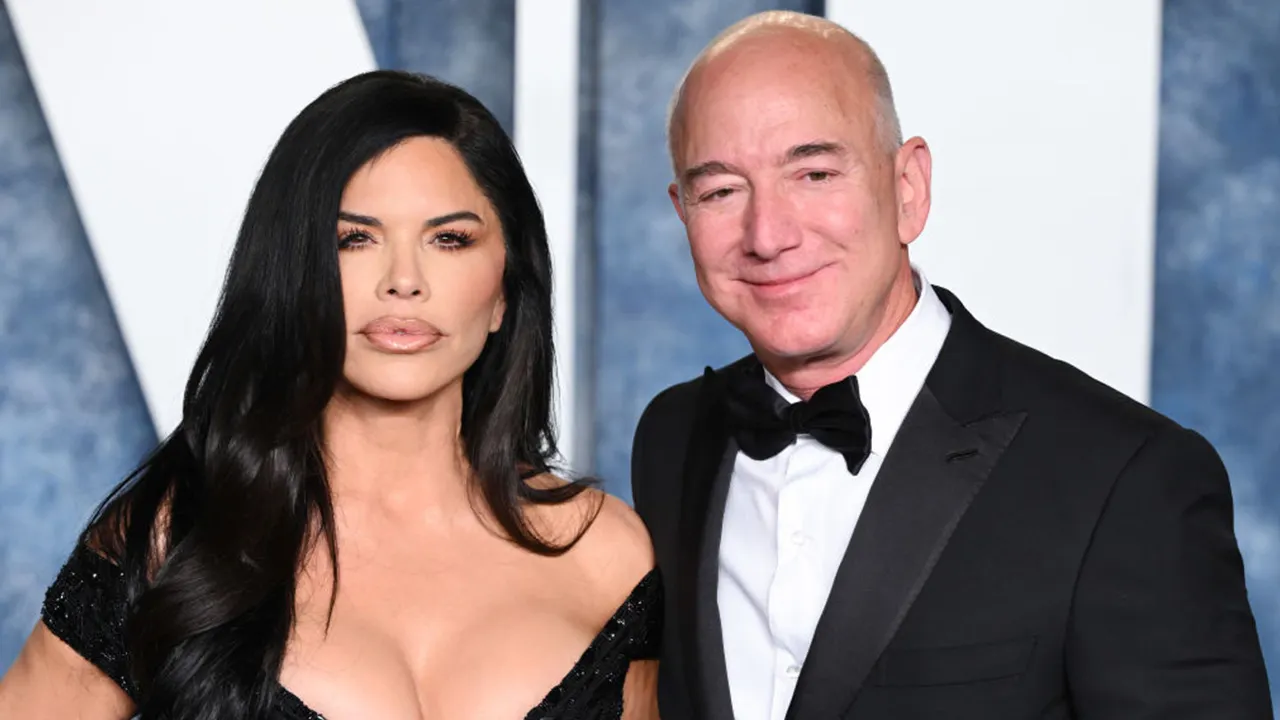
Lauren Sanchez Bezos ignited a viral fashion debate after her Dior runway appearance, with social media critics questioning taste, wealth and whether high fashion still allows room for personal expression.
WEBDESK – Act Global Media – January 28, 2026
Lauren Sanchez Bezos found herself at the center of an online fashion firestorm after attending a high-profile Dior fashion show, where a single outfit ignited a broader debate about taste, wealth and the unforgiving nature of social media scrutiny.
What was intended to be a glamorous front-row appearance at one of fashion’s most prestigious runway events quickly went viral — but not for the reasons designers typically hope. Within minutes, social media platforms were flooded with reactions dissecting Sanchez Bezos’ look, turning it into a lightning rod for commentary on high fashion and excess.

Online comparisons ranged from playful to cutting. Some users dubbed the outfit “mob wife chic,” while others mocked it as resembling “Amazon Essentials” or even “SHEIN,” a contrast that many found ironic given her association with one of the world’s richest men. The gap between the elite fashion setting and public perception only fueled the debate.
Critics were quick to question style and taste, with phrases like “tacky” and “money can’t buy taste” rising to the top of trending comment threads. The backlash underscored how ruthless digital fashion culture has become, where viral clips and still images invite instant judgment, often stripped of context.
Fashion analysts note that when figures associated with immense wealth enter the couture spotlight, expectations become almost impossibly high. Every detail — from fabric choice to silhouette — is examined, and even minor deviations from public expectations can trigger widespread criticism.
For Sanchez Bezos, the episode highlights a larger reality of modern fashion culture: personal expression often takes a back seat to public approval. While the runway celebrates creativity and experimentation, social media audiences frequently demand conformity — even from those who seemingly have the freedom to wear anything.
The viral moment may fade, but the debate it sparked remains a reminder that in today’s digital age, fashion statements are no longer judged solely by designers or critics, but by millions of scrolling thumbs ready to weigh in.
