

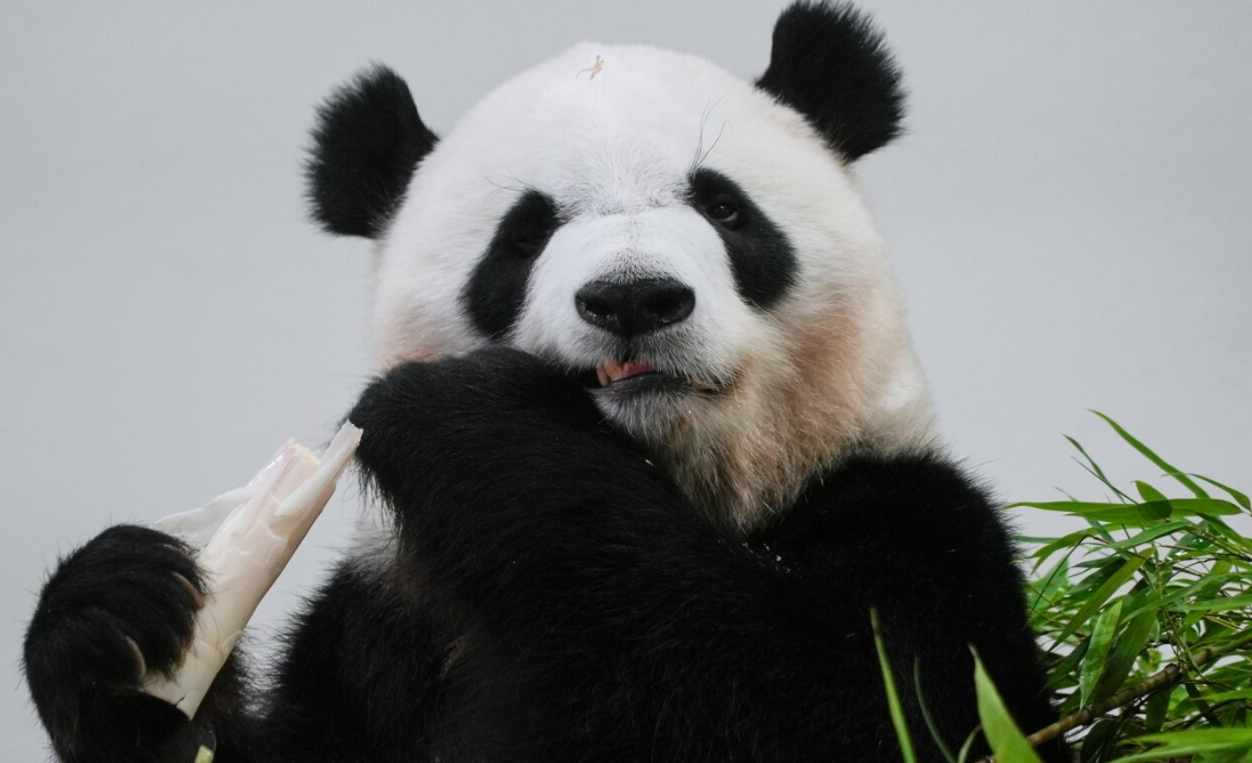
Japan has bid farewell to its last giant pandas, underscoring a sharp diplomatic rift with China and signaling how geopolitics, not zoology, now shapes panda diplomacy.
WEBDESK – Act Global Media – January 27, 2026
Japan’s decades-long panda chapter has come to a close, with the return of its last two giant pandas to China highlighting a deepening diplomatic rupture between Tokyo and Beijing.
Twin cubs Xiao Xiao and Lei Lei were given an emotional farewell this week before being flown back to China, leaving Japan without pandas for the first time since diplomatic relations with Beijing were established in 1972. While officially described as part of a scheduled arrangement, the absence of any new panda loan agreement has been widely interpreted as a political signal.
Often described as symbols of goodwill, giant pandas are a central tool of China’s “panda diplomacy.” No longer gifted but leased at around $1 million per animal annually, pandas are typically sent to countries with which Beijing seeks to strengthen ties. Their withdrawal, analysts say, usually points to diplomatic strain.
That strain intensified in late 2025 after Japanese Prime Minister Sanae Takaichi suggested that a potential Chinese invasion of Taiwan could trigger a military response from Japan. Beijing viewed the remarks as crossing a “red line” on sovereignty, prompting a series of retaliatory steps.
China curtailed flights, warned its citizens against traveling to Japan, and imposed bans on Japanese seafood, citing health concerns. It also tightened export controls on dual-use items, including rare earth elements critical to advanced technologies such as semiconductors and drones.
The panda recall now appears to be the latest move in that escalating dispute. Chinese authorities have yet to approve any new panda contracts for Japanese zoos, effectively ending a cultural exchange that drew millions of visitors and generated significant tourism revenue.
Throughout the standoff, Beijing has reportedly sought an apology from Takaichi, which she has refused. Instead, her firm stance has bolstered her standing at home, with the prime minister calling a snap election to capitalize on rising public support.
Japan, meanwhile, has accelerated a broader strategic shift, announcing a major increase in defense spending and the acquisition of counterstrike capabilities, including long-range missiles. It has also moved to reduce economic dependence on China, launching ambitious plans such as deep-sea mining to secure alternative rare earth supplies.
While diplomatic tensions between the two Asian powers are not new, observers warn this rupture is unusually severe. With pandas gone and rhetoric hardening on both sides, what was once a soft-power symbol of cooperation has become a stark reminder of a relationship sliding deeper into confrontation.
