

Iran is simultaneously showcasing military strength and diplomatic engagement as tensions in the Middle East remain high ahead of renewed nuclear negotiations with the United States.
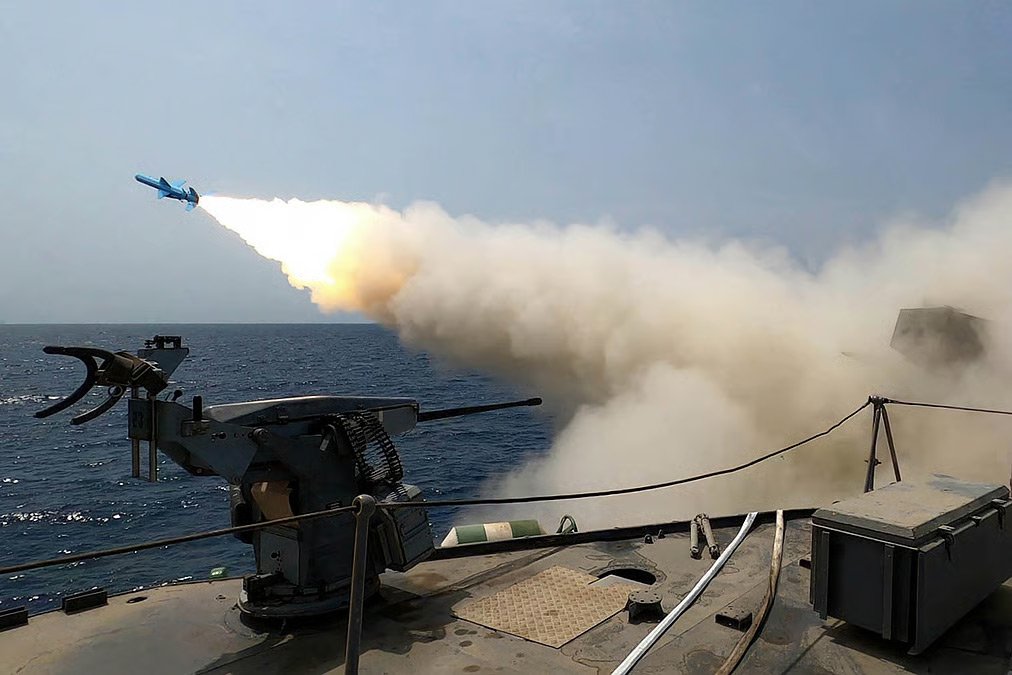
In recent days, Iranian Revolutionary Guard forces launched naval exercises in and around the strategic Strait of Hormuz, a vital global oil shipping route. Officials said the drills were designed to test operational readiness and intelligence capabilities against potential security threats.
The military activity comes as Iranian diplomats travel to Geneva for another round of indirect talks with Washington aimed at reviving a framework governing Tehran’s nuclear program. Iran’s foreign minister met with the head of the UN nuclear watchdog and expressed hope for a “fair and equitable deal,” while insisting negotiations must include sanctions relief.
The parallel actions reflect Tehran’s long-standing strategy: demonstrating deterrence while keeping diplomatic channels open. Analysts say the drills send a message that Iran is prepared for confrontation but prefers a negotiated settlement if its economic demands are addressed.
The talks take place under heightened geopolitical strain. Recent incidents at sea and military deployments in the region have kept both sides cautious, with each attempting to gain leverage without triggering escalation.
Regional observers believe the outcome of the negotiations could shape security across the Middle East, affecting global oil markets and international relations. A breakthrough could ease tensions and sanctions pressure, while failure risks renewed confrontation.
For now, Iran appears to be balancing pressure and negotiation projecting strength on the water while bargaining at the table — as both sides test whether diplomacy can succeed where years of confrontation have struggled.
