


Property in Orlando: How to Identify Investable Submarkets
“Best” depends on your strategy rental cash flow vs. appreciation potential vs. renovation spreads vs. short-term demand. In U.S. real estate, the same metro can contain micro-markets that behave very differently—even a few miles apart—because schools, job centers, supply constraints, zoning, insurance exposure, and commute patterns change the buyer/renter pool and the resale ceiling.
This guide is written in an educational, non-solicitation format. It does not recommend specific property in Orlando or guarantee outcomes. Instead, it shows how to identify investable submarkets near Orlando using objective indicators and widely used public and industry data.
1) Start With the “Orlando Investment Triangle” (Demand × Supply × Payment Pressure)
For residential investing, most outcomes trace back to three forces:
- A) Demand (who needs housing here and why?)
Look for: job growth, population/household growth, inbound migration, university/medical hubs, and major employers. - B) Supply (how fast can housing be added here?)
Look for: permitting/new construction pipelines, available land, HOA/deed restrictions, and how quickly inventory increases when demand cools. - C) Payment pressure (how stretched are typical households?)
Look for: rent-to-income stress, for-sale affordability stress, interest rate environment, insurance/tax costs, and whether buyers are “payment shopping.”
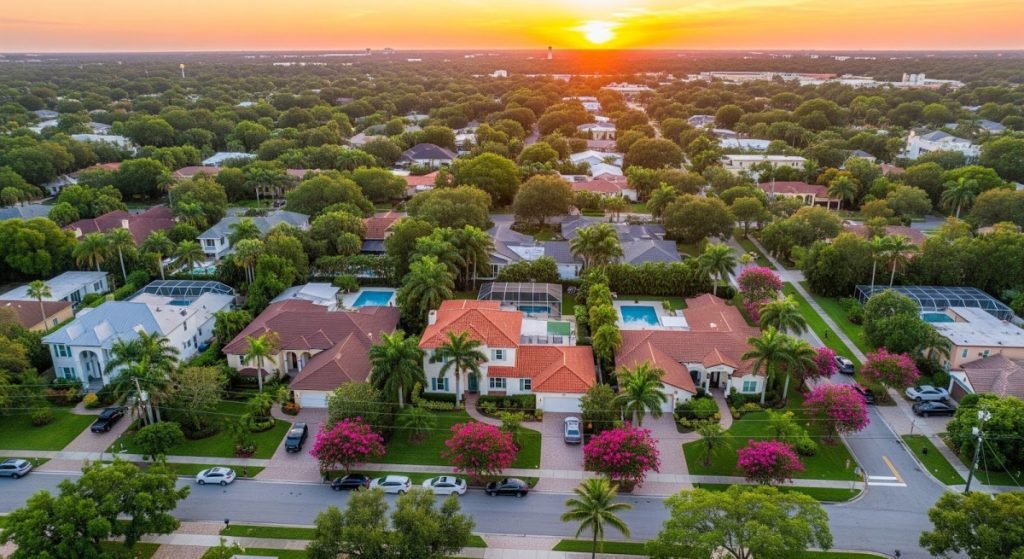
Orlando’s broader region has a large tourism base, healthcare, logistics, education, and a steady inflow of residents—so demand is often resilient, but neighborhood-level supply and cost structure (insurance/HOA/taxes) can still make returns diverge.
2) Use a Simple “3-Layer” Market Screen (Metro → Submarket → Property Type)
Layer 1: Metro reality check (Orlando-Kissimmee-Sanford area)
Before you pick “areas,” confirm the macro picture:
- Price trend vs. affordability: are prices rising faster than incomes?
- Inventory trend: are listings rising? Are price reductions increasing?
- Rent competitiveness: are rents still supported by household income and vacancy conditions?
Public housing affordability research and vacancy measures help you understand whether the market is tightening or normalizing. HUD’s rent-burden framing (households paying >30% of income on housing) is a useful baseline concept—even though it’s not an underwriting rule. HUD also publishes rent benchmarks (Fair Market Rents) that are widely used for program and planning comparisons.
Layer 2: Submarket selection (choose 2–4 “buckets,” not 1 “best area”)
Instead of chasing one “best area,” pick two to four submarket buckets that match your strategy:
- Core employment + limited land (often steadier resale demand, sometimes lower cap rates)
- Growth corridors / newer suburbs (more new supply risk, but strong household formation)
- Value/transition areas (higher rehab/tenant management complexity, potentially higher yield)
- Tourism-adjacent (more volatility/regulation, but strong demand in peaks)
Layer 3: Property type and “buyer pool fit”
A 3/2 single-family home targets a different buyer/renter pool than a condo with HOA, or a townhome in a deed-restricted community. Returns can be dominated by HOA rules, insurance, special assessments, and rental restrictions more than by headline rent.
3) The 10 Metrics That Typically Predict “Investability” Near Orlando
Use these to score any ZIP/city/submarket—without relying on hype:
- Days on market (DOM) + price reductions
Rising DOM and higher reduction rates can signal either (a) cooling demand or (b) overpricing relative to what payments support. - Sale-to-list price ratio
A proxy for negotiation power. When it slips, buyers gain leverage. - Median price / price per square foot trend
Track direction (up/down) and stability. Extreme volatility increases risk. - Rent vs. ownership cost gap
When “owning” becomes much more expensive than renting (after taxes/insurance), renter demand can rise but buyer demand can soften. - Vacancy and absorption
Even small changes in vacancy can move rents. (Use public benchmarks + local market reports.) - New supply pipeline
The fastest way to get hurt is buying into a corridor where new supply can outcompete you on price and concessions. - Insurance exposure
Florida insurance dynamics can materially change cash flow. Higher premiums and deductibles can compress returns, especially in older roofs/older systems. - Property tax trajectory
Not just current taxes—how assessed values reset after sale can change escrow and affordability. - HOA rules + fees + rental restrictions
Some communities limit rentals, require approvals, or impose minimum lease terms. Those rules can make a “good deal” uninvestable. - Resale ceiling (“neighborhood price cap”)
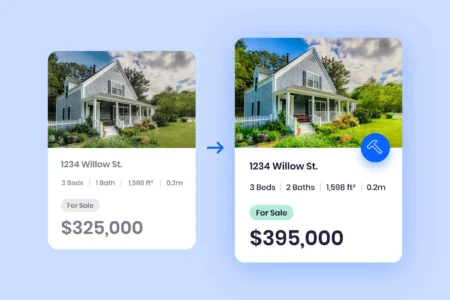
Renovation ROI is constrained by what the neighborhood supports. Over-improving is one of the most common investor mistakes.
4) Orlando-Area Submarket “Buckets” (Educational Examples, Not Recommendations)
Below are common investable buckets people analyze around Orlando. The key is matching the bucket to your plan (rental vs. flip vs. hybrid).
Bucket A: “Job-center proximity / established demand”
Typical profile: closer commutes, steadier resale pool, sometimes tighter inventory.
Common tradeoff: higher acquisition price, smaller cash-flow margins.
Examples investors often analyze (not an endorsement):
- Downtown/central Orlando pockets that benefit from employment anchors
- Winter Park-adjacent / established neighborhoods where land is constrained
- Medical/education-adjacent nodes (where applicable)
What to watch:
- age of housing stock (capex risk), insurance cost sensitivity, and buyer pool preferences (parking, lot size, updates).
Bucket B: “Growth corridor suburbs (newer housing stock)”
Typical profile: newer homes, strong household formation, easier maintenance early on.
Common tradeoff: supply risk—builders can change the market fast.
Examples investors often analyze:
- Horizon West / Winter Garden growth areas
- Lake Nona vicinity growth
- Clermont / western growth corridor (depending on commute patterns)
What to watch:
- new construction incentives (can pressure resale), HOA costs, CDD fees (where applicable), and whether rents keep pace with rising taxes/insurance.
Bucket C: “Tourism-adjacent demand (short-term + long-term dynamics)”
Typical profile: strong visitor economy nearby; can support both workforce housing and tourism-adjacent rentals depending on rules.
Common tradeoff: regulatory restrictions, HOA constraints, and volatility.
Examples investors often analyze:
- Kissimmee / 34747-adjacent tourism corridor (rules differ by community)
- Davenport / ChampionsGate-adjacent areas (high new supply in some pockets)
What to watch:
- HOA rental caps, county/municipal STR rules, and the risk of oversupply in heavily built-out corridors.
Bucket D: “Value/transition areas (yield potential, higher complexity)”
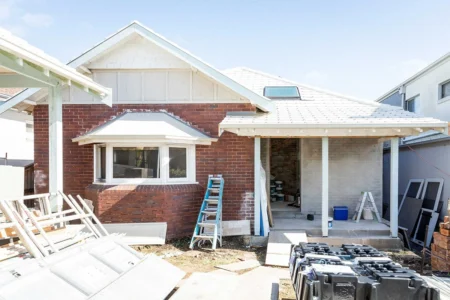
Typical profile: lower entry points, more rehab opportunities.
Common tradeoff: execution risk (renovation, tenant quality screening, longer DOM if mispriced).
Examples investors often analyze:
- select pockets of east/west Orange County edges and older subdivisions near major roads
- certain Osceola pockets driven by workforce rental demand
What to watch:
- crime and safety data (use objective public sources), code/permit realities, and whether your rehab budget aligns with area resale caps.
Bucket E: “North corridor stability (Seminole County influence)”
Typical profile: often perceived as stable buyer demand; commutes to employment nodes.
Common tradeoff: higher prices and sometimes tighter inventory.
Examples investors often analyze:
- Sanford / Lake Mary (submarket specifics matter)
What to watch:
- price point sensitivity, school-boundary perception (avoid “steering” language—use neutral, public metrics), and rental demand depth.
5) A Practical, Implementable “Orlando Investor Scorecard” (Copy This)
Use a 0–2 score for each item (0 = weak, 1 = ok, 2 = strong). Total out of 20.
Demand (10 points)
- Employment access (commute + job nodes)
- Household growth indicators (population/in-migration proxies)
- Rental demand depth (lease-up speed, vacancy context)
- Resale demand depth (DOM trend, sale-to-list)
- Price stability (volatility over 12–24 months)
Supply & cost structure (10 points)
- New supply risk (permits/new builds nearby)
- HOA/CDD/rental restrictions (predictability)
- Insurance sensitivity (age/roof/area exposure)
- Property tax reset risk (post-sale estimate)
- Renovation/resale ceiling alignment (price cap vs. rehab scope)
Interpretation (general education):
- 16–20: typically “lower execution risk,” but you may pay for it
- 11–15: balanced; returns depend on purchase basis and operations
- ≤10: higher risk; only works with strong edge (price, rehab skill, tenant ops)
6) How to Avoid Fair Housing / “Steering” Issues in Market Content
If you publish “best areas” content, keep it compliant and professional:
- Focus on objective metrics (price, DOM, taxes, HOA rules, rent levels, commute time, flood zones, permitting).
- Avoid language that implies who should live where based on demographics or protected characteristics.
- Use neutral phrasing: “buyers/renters often consider…” not “families should…”
- Include a short note: “Neighborhood fit is personal; use objective criteria and consult licensed pros.”
7) Where to Get Reliable Data
To keep your content publisher-grade, pull from:
- U.S. Census / ACS for income, tenure (rent/own), household characteristics
- HUD for rent benchmarks, housing needs, affordability frameworks
- NAR / local Realtor associations for inventory, sales pace, median prices
- Zillow / Realtor.com / Redfin for market trend context (use as directional, not absolute truth)
- County property appraiser sites for taxes/assessed value mechanics (especially important in Florida)
8) What “Best Areas to Invest Near Orlando” Usually Means (Summary)
There isn’t one “best” area; there are best-fit submarkets for different strategies:
- If you prioritize lower maintenance + newer stock, analyze growth corridor suburbs—but model supply risk and HOA/fees.
- If you prioritize resale depth, analyze established demand pockets—but expect thinner cash flow margins.
- If you prioritize value-add, analyze older subdivisions where the resale ceiling supports your rehab scope—but manage execution risk carefully.
- If you want tourism-adjacent optionality, analyze corridors cautiously because regulation/HOA rules can dominate outcomes.
The “winning” move is usually not the area—it’s buying the right property in Orlando basis (price + realistic rehab + realistic exit) in a submarket whose demand and cost structure match your plan.
Written by:
Asim Iftikhar — Real Estate Contributor, ACT Global Media
Florida Real Estate Sales Associate License: SL3633555
Florida Notary Public Commission: HH 709161
Editorial disclosure: This article is provided for general informational purposes only and does not constitute real estate, legal, tax, financial, or investment advice. No content is a solicitation, inducement, or recommendation to buy or sell any security, loan product, or specific property. Market conditions and figures can change; verify all details with qualified professionals and official sources.