

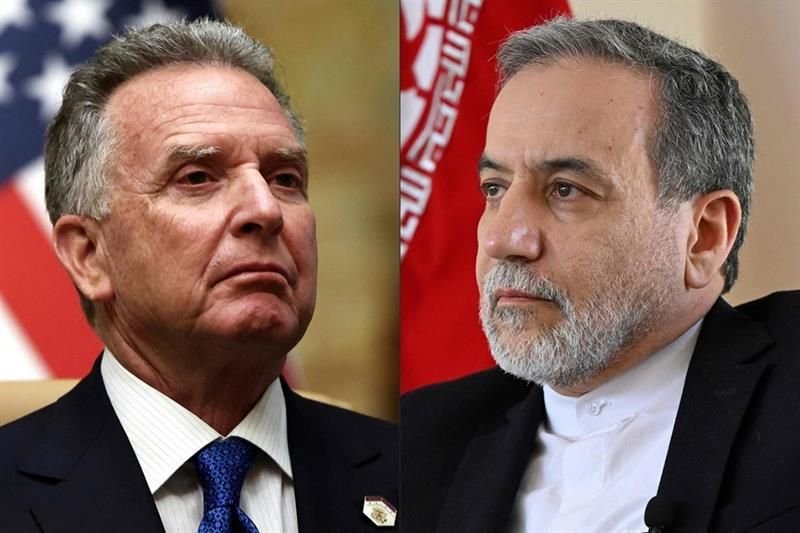
High-stakes nuclear negotiations between the United States and the Islamic Republic of Iran took place in Muscat, Oman, Friday, representing a cautious attempt by Washington and Tehran to reopen diplomatic channels over Iran’s contentious nuclear programme amid heightened regional tensions.
The indirect talks — mediated by Oman’s Foreign Ministry — brought together Iranian Foreign Minister Abbas Araghchi and U.S. representatives including President **Donald Trump’s Middle East envoy Steve Witkoff and senior adviser Jared Kushner. Oman’s capital has served as a neutral diplomatic hub for U.S.–Iran dialogue in recent years.
Iran’s top diplomat described the round of talks as “a very good start”, but stressed that negotiators must now return to their capitals for further consultation before future rounds can resume. Both sides agreed that discussions will continue, although significant differences remain.
The focus of the talks was Tehran’s nuclear programme, with Iran insisting the agenda remain narrowly confined to nuclear issues. Washington, however, has been pushing for a broader discussion that could include Iran’s ballistic missile capabilities, regional proxy activity, and human rights concerns — though these additional topics were not formally addressed in the latest session.
The negotiations come amid an atmosphere of deep mistrust following months of escalating tensions, including U.S. strikes on Iranian nuclear facilities last year and Iran’s heavy-handed response to domestic protests. The presence of senior U.S. military officials in Muscat alongside diplomats highlighted Washington’s readiness to use pressure if diplomacy falters.
While both countries signalled a willingness to continue dialogue, analysts caution that persistent disagreements mean any breakthrough remains uncertain — even as world leaders watch closely for signs of a potential thaw in one of the world’s most volatile geopolitical disputes.
