



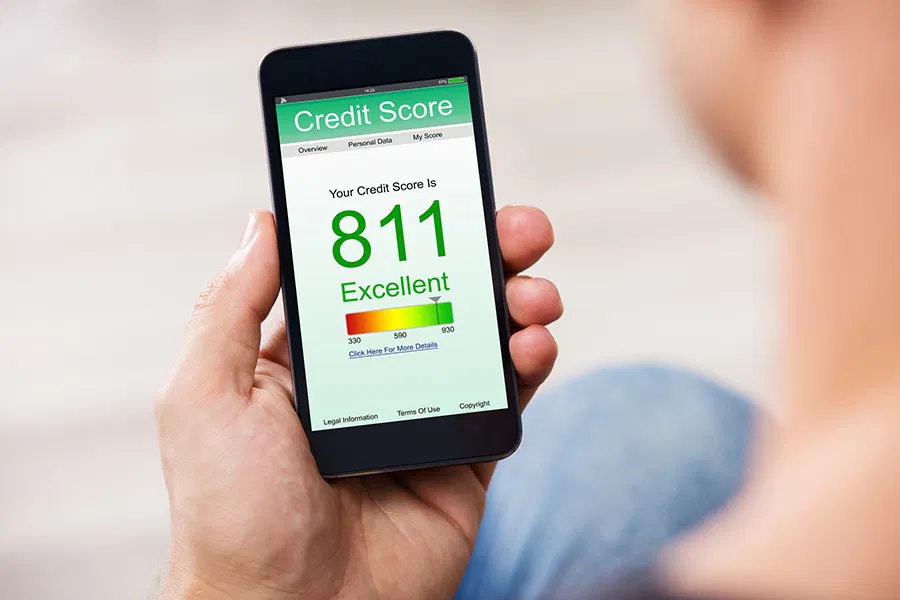
Introduction: Best Credit Score Apps Right Now
If you are trying to improve your financial health in 2026, one of the first steps many consumers take is checking their credit score.
Credit scores play a central role in the U.S. financial system. Lenders often use credit scores to evaluate borrower risk when making decisions related to:
• mortgage approvals
• credit cards
• auto loans
• personal loans.
Because of this, millions of consumers regularly monitor their credit scores through digital apps and financial platforms.
Recent financial research indicates that the average FICO credit score in the United States reached approximately 718 in 2024, the highest level ever recorded. This trend reflects gradual improvements in consumer credit behavior across the country.
However, credit scores vary widely across individuals depending on factors such as:
• payment history
• credit utilization
• credit history length
• types of credit accounts.
Monitoring credit scores has become easier in recent years due to the rise of financial technology platforms that provide free credit score tracking through mobile apps.
These apps allow consumers to:
• check credit scores regularly
• monitor credit report changes
• receive alerts about new accounts or credit inquiries
• track financial progress over time.
Credit monitoring is especially important because identity theft and credit fraud remain significant financial risks. According to the Federal Trade Commission, millions of identity theft reports are filed each year, highlighting the need for consumers to monitor credit activity.
At the same time, credit scores also influence housing affordability and mortgage eligibility. Data from the National Association of Realtors (NAR) indicates that borrowers with higher credit scores often qualify for better mortgage interest rates, which can significantly reduce long-term housing costs.
Readers preparing for homeownership may also want to understand how credit errors affect mortgage approval in how to remove errors from your credit report before buying a home.
This guide analyzes the best credit score apps available in 2026, explaining how these tools work and how consumers use them to monitor financial health.
The article references research and financial data from:
• U.S. Census Bureau
• American Community Survey (ACS)
• National Association of Realtors (NAR)
• U.S. Department of Housing and Urban Development (HUD)
The goal is to provide educational insight into credit score monitoring tools while maintaining compliance with financial publishing standards.
Why Credit Scores Matter in the U.S. Financial System
Credit scores represent a numerical summary of a borrower’s creditworthiness.
These scores are calculated based on credit report data collected by major credit bureaus.
The three primary credit bureaus in the United States include:
• Experian
• Equifax
• TransUnion.
Credit scoring models analyze consumer credit history and generate numerical scores typically ranging between 300 and 850.
Higher scores generally indicate lower credit risk.
Strong credit profiles are particularly important for borrowers seeking mortgage financing, as discussed in best mortgage lenders in Florida 2026.
Average Credit Scores in the United States
Credit score averages vary depending on demographic factors such as age, income, and geographic location.
Recent consumer credit studies suggest the following approximate averages:
| Generation | Average Credit Score |
| Gen Z | ~680 |
| Millennials | ~690 |
| Gen X | ~705 |
| Baby Boomers | ~740 |
These differences often reflect credit history length and borrowing behavior.
Key Factors That Influence Credit Scores
Credit scoring models typically consider several financial factors.
Payment History
Payment history is often the largest factor in credit score calculations.
Consistently paying bills on time can positively influence credit scores.
Credit Utilization
Credit utilization measures the percentage of available credit currently being used.
Lower utilization levels are generally associated with higher credit scores.
Length of Credit History
Longer credit histories provide lenders with more information about borrower behavior.
Credit Mix
Credit mix refers to the variety of credit accounts, such as:
• credit cards
• auto loans
• mortgages.
New Credit Inquiries
Opening new credit accounts or applying for loans may temporarily affect credit scores.
What Are Credit Score Apps?
Credit score apps are mobile applications or digital platforms that allow users to monitor credit information.
Most apps provide:
• credit score tracking
• credit report summaries
• identity monitoring alerts.
Some platforms also provide educational tools that help users understand how credit scores are calculated.
Benefits of Credit Monitoring Apps
Credit score apps provide several advantages for consumers.
Real-Time Credit Monitoring
Apps often notify users when changes occur on their credit reports.
Identity Theft Alerts
Credit monitoring services can detect suspicious activity such as unauthorized credit inquiries.
Financial Education
Many apps include educational resources explaining how credit scores work.
Best Credit Score Apps in 2026
Several digital platforms have become widely used credit monitoring tools.
Below are some of the most popular credit score apps available today.
Credit Karma
Credit Karma is one of the most widely used free credit monitoring platforms in the United States.
The app provides:
• credit score updates
• credit report summaries
• credit monitoring alerts.
Credit Karma uses credit data from:
• TransUnion
• Equifax.
Experian Credit App
The Experian app allows users to access their Experian credit reports and monitor credit score changes.
Features include:
• credit score tracking
• credit monitoring alerts
• identity protection tools.
Credit Sesame
Credit Sesame offers free credit score tracking and identity protection features.
The app provides:
• credit score monitoring
• credit improvement suggestions
• identity theft insurance options.
myFICO
myFICO provides credit scores based on the widely used FICO scoring model.
The app offers:
• detailed credit score monitoring
• access to multiple credit bureau reports.
WalletHub
WalletHub offers credit score tracking and financial planning tools.
The platform provides:
• daily credit score updates
• personalized financial insights.
Comparison of Credit Score Apps
| App | Credit Score Model | Free Version | Identity Alerts |
| Credit Karma | VantageScore | Yes | Yes |
| Experian | FICO | Yes | Yes |
| Credit Sesame | VantageScore | Yes | Yes |
| myFICO | FICO | Limited | Yes |
| WalletHub | VantageScore | Yes | Yes |
Each platform uses slightly different scoring models and data sources.
Credit Score Monitoring and Mortgage Eligibility
Credit scores play a major role in mortgage lending decisions.
Research from the National Association of Realtors indicates that borrowers with stronger credit profiles often qualify for more favorable mortgage interest rates.
Lower interest rates can significantly reduce monthly housing payments and long-term borrowing costs.
Understanding how credit scores influence loan approval can also help borrowers qualify for programs such as Florida down payment assistance programs.
Credit Scores and Homeownership
Credit scores also influence access to homeownership.
Housing affordability studies suggest that borrowers with higher credit scores may receive lower mortgage interest rates, improving housing affordability.
Data from the U.S. Census Bureau’s American Community Survey shows that the national homeownership rate remains around 65–66%, highlighting the continued importance of mortgage access in housing markets.
Borrowers sometimes combine strong credit profiles with other funding sources such as gift funds for mortgage down payments.
Identity Theft and Credit Monitoring
Identity theft remains a significant financial risk.
According to federal consumer protection reports, millions of identity theft complaints are filed each year in the United States.
Credit monitoring apps help consumers detect suspicious activity early.
Common warning signs include:
• unfamiliar credit inquiries
• new accounts opened without authorization.
How Often Should You Check Your Credit Score?
Financial experts generally recommend checking credit scores regularly.
Monitoring credit helps consumers detect errors and identify potential fraud.
Most credit score apps provide updates monthly or weekly.
How Credit Monitoring Can Improve Financial Health
Monitoring credit scores helps consumers understand how financial behavior affects credit profiles.
Consumers may observe changes after actions such as:
• paying down debt
• closing credit accounts
• opening new loans.
Limitations of Credit Score Apps
While credit monitoring apps provide useful insights, they also have limitations.
Different Scoring Models
Some apps use VantageScore rather than FICO scoring models.
Partial Credit Reports
Certain apps provide information from only one or two credit bureaus.
Educational Purpose
Credit monitoring apps provide informational data rather than official loan approval decisions.
Frequently Asked Questions (FAQ)
Are credit score apps free?
Many credit monitoring apps provide free credit score access supported by financial product recommendations.
Do credit score apps affect credit scores?
Checking credit scores through monitoring apps typically does not affect credit scores because these checks are considered “soft inquiries.”
Which credit score do lenders use?
Many lenders use FICO scoring models when evaluating loan applications.
How often do credit scores update?
Credit scores update periodically depending on when lenders report account information to credit bureaus.
Conclusion
Credit scores play a crucial role in modern financial systems, influencing access to credit, loan approval decisions, and borrowing costs.
Digital credit monitoring apps have made it easier for consumers to track credit scores and monitor financial activity.
Popular credit score apps offer tools for:
• monitoring credit reports
• detecting identity theft
• understanding credit score changes.
While these apps provide useful financial insights, they should be viewed as informational tools rather than definitive indicators of loan eligibility.
Understanding how credit scores work and monitoring financial activity regularly can help consumers maintain stronger financial profiles over time.
Author
Beenish Rida Habib — Mortgage & Lending Contributor, ACT Global Media
Florida-licensed Mortgage Loan Originator (NMLS #1721345)
Editorial Disclosure
This article is intended for educational and informational purposes only. It does not constitute financial, legal, tax, or investment advice. Credit scoring models, lending standards, and financial regulations may change over time. Consumers should consult qualified financial professionals when making credit or borrowing decisions.