

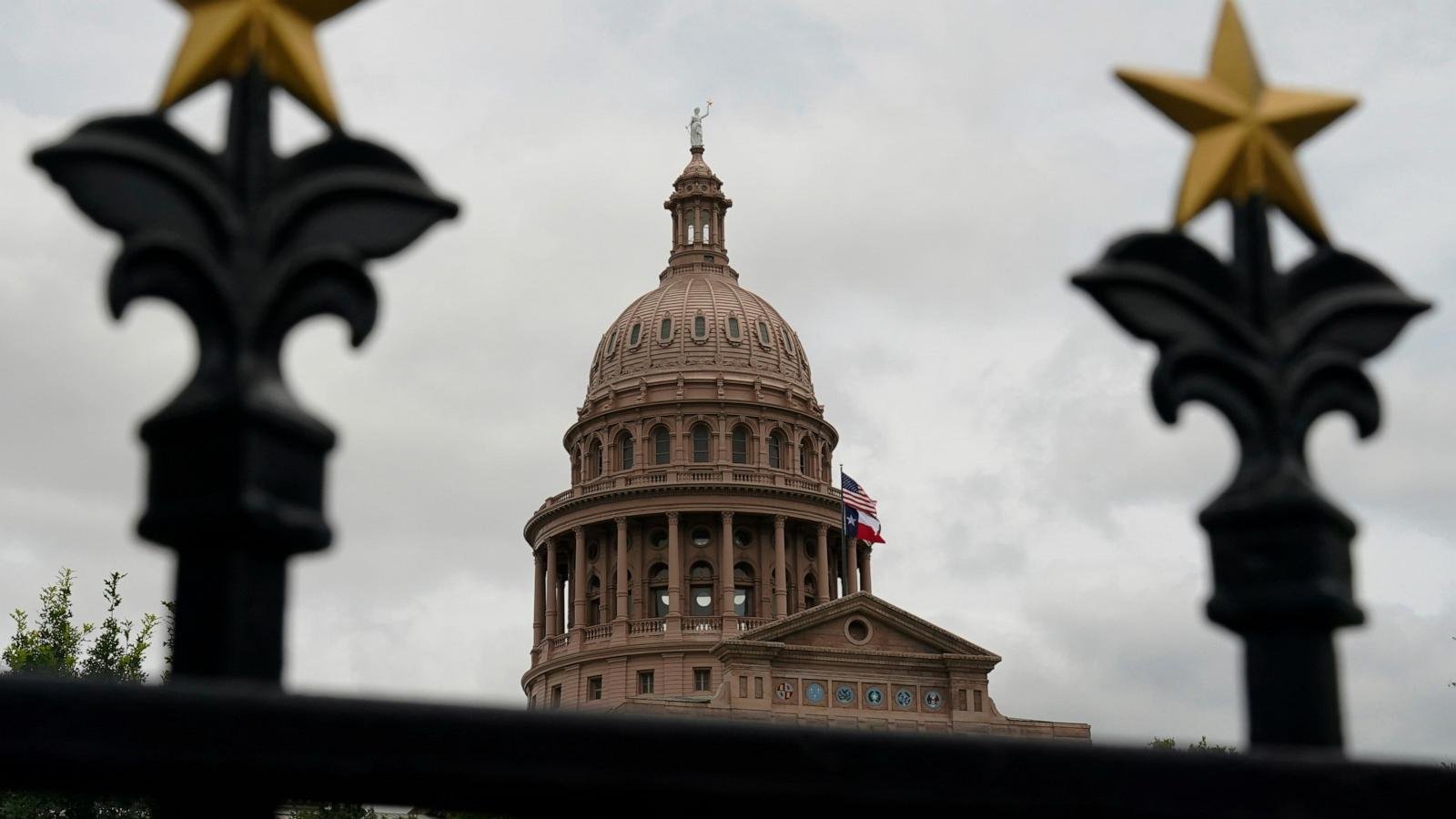
The Democratic Party has scored a surprise victory in Texas, flipping a Republican-held state Senate seat in an upset that is already reverberating across the national political landscape. The unexpected win marks a rare breakthrough for Democrats in a chamber long dominated by the Republican Party.
Early results showed the Democratic candidate edging out the incumbent or GOP-backed contender after a tightly contested race marked by high turnout and strong engagement from suburban and urban voters. Analysts say the result reflects shifting voter priorities, particularly around healthcare, education funding, and cost-of-living pressures.
The flipped seat narrows Republicans’ margin in the Texas State Senate, though the GOP retains overall control of the chamber. Still, party strategists on both sides view the outcome as politically significant. For Democrats, the win is being touted as evidence that traditionally red districts may be more competitive than previously assumed. For Republicans, it serves as a warning sign ahead of future state and national contests.
Local party leaders credited grassroots organizing, voter registration drives, and dissatisfaction with state leadership as key factors behind the upset. Exit polls and early analysis suggest increased participation among younger voters and minority communities played a decisive role.
National Democrats quickly hailed the result as momentum-building, arguing it signals growing openness to alternative leadership even in conservative strongholds. Republicans, meanwhile, downplayed the broader implications, describing the race as an outlier shaped by local issues rather than a statewide shift.
Political observers caution against overinterpreting a single result, but agree the upset will intensify scrutiny of Texas as a potential battleground in upcoming elections. With margins tightening and voter demographics evolving, the race underscores how competitive state-level politics in Texas may be entering a new phase.
