

Introduction
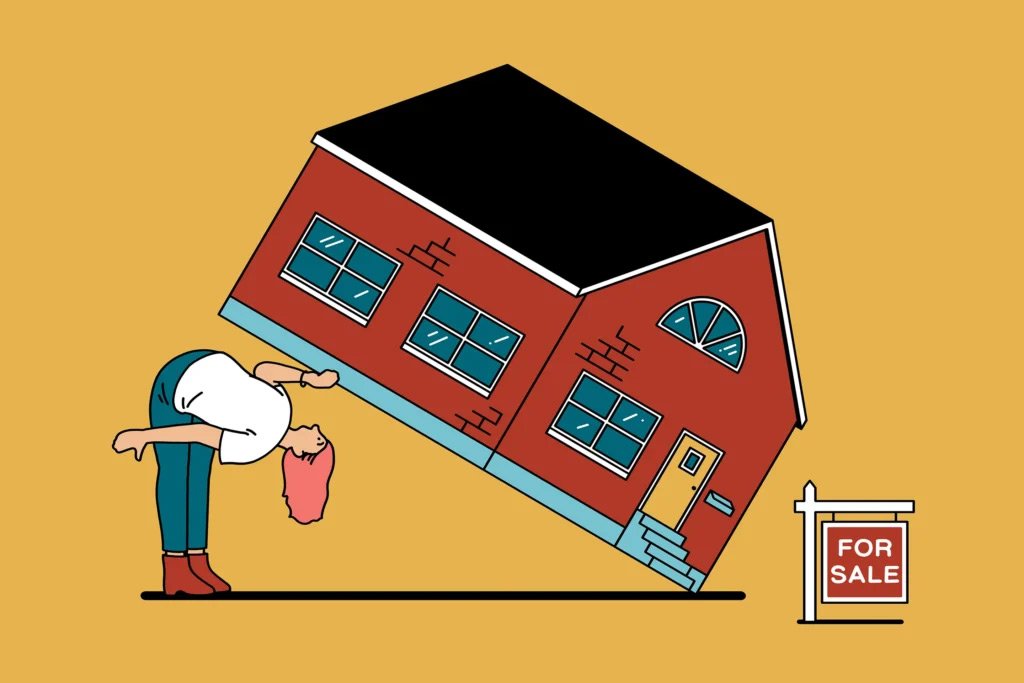
Buying a home is one of the largest financial commitments most U.S. households will ever make. While the process is often framed as a milestone, public data shows that many buyers—both first-time and repeat—encounter avoidable challenges related to budgeting, financing, timing, and long-term ownership costs. According to research from the Consumer Financial Protection Bureau (CFPB), homebuyers frequently underestimate total housing costs, misunderstand mortgage mechanics, or proceed without fully reviewing financial readiness. Similarly, surveys conducted by National Association of Realtors (NAR) indicate that many buyers report unexpected expenses and stress during the first year of ownership.
This article provides a neutral, educational, U.S.-specific overview of common homebuyer mistakes identified through government data, housing research, and industry surveys. It does not offer advice, recommendations, or inducements and should not be interpreted as guidance tailored to any individual situation.
Mistake #1: Focusing Only on the Purchase Price (Not Total Housing Cost)
What the Data Shows
The Bureau of Labor Statistics (BLS) Consumer Expenditure Survey consistently shows that housing is the largest single expense category for U.S. households, accounting for approximately 32–34% of total annual expenditures on average.
However, many buyers initially focus only on:
- Listing price
- Down payment amount
and overlook:
- Property taxes
- Homeowners insurance
- Utilities
- Maintenance and repairs
- HOA or condo fees (where applicable)
According to the CFPB, underestimating ongoing costs is one of the most common sources of post-purchase financial strain.
Mistake #2: Underestimating Closing Costs
U.S. Closing Cost Reality
CFPB data shows that:
- The median total loan costs for home purchase loans were $5,954 (2022 data)
- Over 50% of borrowers paid discount points, with a median cost of $2,370
This means that closing costs alone can add $5,000–$10,000+ to upfront cash needs, beyond the down payment.
Buyers who budget only for the down payment may face last-minute liquidity pressure at closing.
Mistake #3: Confusing Prequalification With Preapproval
CFPB educational materials clearly distinguish:
- Prequalification (informal, self-reported)
- Preapproval (documented, credit-reviewed)
Despite this, surveys cited by housing educators show many buyers assume prequalification guarantees financing, which it does not.
This misunderstanding can:
- Weaken purchase offers
- Delay transactions
- Lead to contract complications
Mistake #4: Overlooking Credit Report Accuracy
According to a large FTC study:
- About 20% of consumers had at least one error on a credit report
- Roughly 5% had errors serious enough to potentially affect credit outcomes
Buyers who do not review credit reports early may encounter:
- Unexpected denials
- Higher borrowing costs
- Delayed approvals
Credit report review is a monitoring step, not a guarantee of outcomes.
Mistake #5: Stretching Monthly Payments Too Thin
Housing Cost Burden Data
The U.S. Census Bureau defines households spending more than 30% of gross income on housing as “housing cost burdened.”
Recent Census data shows:
- Over 30% of renter households
- Nearly 20% of owner households
fall into this category.
Buyers who focus only on loan qualification limits may underestimate how housing costs interact with other obligations such as transportation, healthcare, and childcare.
Mistake #6: Ignoring Insurance Availability and Cost
Homeowners Insurance Variability
According to industry data and Treasury reports:
- Average annual homeowners insurance premiums exceed $2,400 in states like Florida
- High-risk areas face limited insurer availability
Insurance costs can materially affect:
- Monthly escrow payments
- Long-term affordability
- Mortgage eligibility
Many buyers discover insurance constraints late in the transaction.
Mistake #7: Not Accounting for Maintenance and Repairs
Research from housing economists and the Joint Center for Housing Studies of Harvard University estimates that:
- Homeowners spend 1%–4% of home value annually on maintenance and repairs over time
These costs are uneven and unpredictable, making them easy to overlook during the purchase phase.
Mistake #8: Overlooking HOA or Condo Association Rules
NAR surveys indicate that:
- Condominiums and HOA-governed properties account for a significant share of first-time purchases in urban markets
Buyers sometimes fail to:
- Review HOA budgets
- Understand special assessment risk
- Account for monthly dues
This can affect affordability and resale flexibility.
Mistake #9: Timing Purchases Based on Rate or Price Predictions
Federal Reserve and housing economists consistently caution that:
- Interest rate movements are difficult to predict
- Housing prices respond to multiple local factors
Buyers attempting to “time the market” may delay purchases based on uncertain forecasts rather than current financial readiness.
Mistake #10: Underestimating the Emotional and Administrative Load
Beyond finances, buying a home involves:
- Document collection
- Deadlines
- Inspections
- Negotiations
- Compliance reviews
CFPB consumer surveys note that stress and complexity are commonly underestimated by buyers, particularly first-time purchasers.
Why These Mistakes Persist
Research suggests several reasons:
- Financial literacy gaps
- Complexity of mortgage and housing systems
- Regional cost variability
- Overreliance on online estimates
Education helps contextualize risk but does not eliminate it.
Summary: A Data-Based Perspective
From a U.S. consumer education standpoint:
- Many homebuyer challenges stem from incomplete cost awareness
- Data shows recurring patterns across income levels
- Monitoring, preparation, and documentation matter
- No single factor determines outcomes
Understanding common mistakes helps frame expectations and highlights the importance of comprehensive planning.
Author Information
Written by:
Asim Iftikhar — Real Estate Contributor, ACT Global Media
Editorial Disclosure
This article is provided for general informational purposes only and does not constitute real estate, mortgage, financial, or legal advice.
Regulatory Notice
Information is based on publicly available U.S. sources. Housing markets, costs, and consumer experiences vary by location and individual circumstances.
