




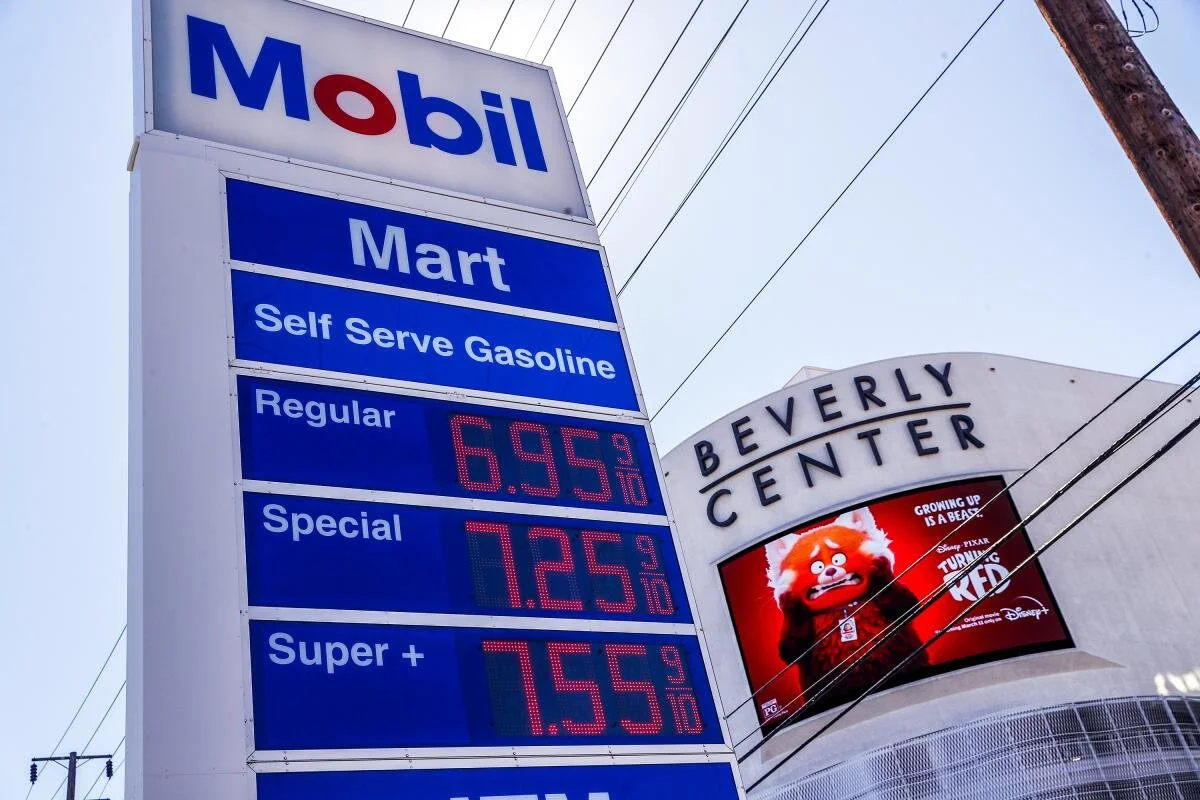
The Organisation for Economic Co-operation and Development (OECD) has warned that inflation in the United States could climb to 4.2% following a fresh global energy price shock, raising concerns about renewed pressure on households, interest rates, and economic growth prospects.
In its latest economic outlook update, the OECD said rising fuel costs are expected to push consumer prices higher than earlier projections for 2026. The increase comes as energy markets face volatility linked to geopolitical tensions and supply disruptions affecting global oil and gas flows.
Higher energy prices typically feed directly into transportation, manufacturing, and household utility costs. Economists say these increases can spread across the wider economy, influencing food prices, services, and borrowing conditions if inflation expectations remain elevated.
The revised forecast could complicate the policy path for the Federal Reserve, which has been closely monitoring inflation trends after several years of aggressive interest-rate adjustments aimed at stabilizing prices. A renewed surge in inflation may delay expectations for rate cuts and keep financial conditions tighter for longer than markets anticipated.
Analysts note that energy-driven inflation tends to be particularly sensitive to global supply developments, meaning future projections could shift quickly depending on geopolitical stability and production levels among major oil exporters.
The OECD also cautioned that persistent price pressures could slow consumer spending growth while increasing uncertainty for businesses planning investments in the coming year. Policymakers are expected to monitor inflation indicators closely as they weigh next steps to support economic stability without reigniting price volatility.
If energy markets remain unstable, economists warn the inflation outlook could stay uncertain through the remainder of the year.