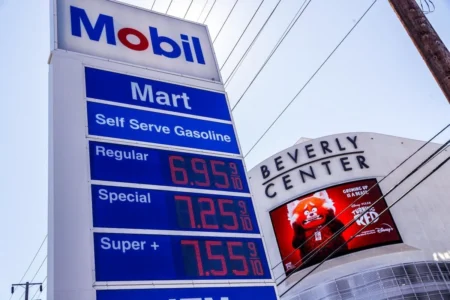




A new global energy crisis is beginning to reshape economic forecasts as rising oil and gas prices, supply disruptions, and geopolitical tensions place fresh pressure on households, businesses, and governments worldwide.
Energy markets have become increasingly volatile following tensions in the Middle East and uncertainty around key shipping routes such as the Strait of Hormuz, through which roughly one-fifth of the world’s oil supply passes. Any disruption to this critical corridor has immediate consequences for fuel prices, transportation costs, and global trade.
Higher energy prices are already pushing inflation upward across major economies. Rising fuel and electricity costs are affecting manufacturing, agriculture, aviation, and shipping industries, increasing production expenses that are often passed on to consumers through higher prices.
Governments in Europe, Asia, and North America are monitoring the situation closely as they weigh policy responses to protect economic stability. Some countries are considering emergency energy reserves, subsidies, and diversification of supply sources to reduce dependence on vulnerable trade routes.
Energy analysts warn that prolonged instability could slow economic growth and complicate central bank decisions on interest rates. If oil prices remain elevated for an extended period, businesses may reduce investment and hiring, while households could face increased pressure from higher transportation and utility bills.
At the same time, the crisis is accelerating interest in renewable energy and alternative supply strategies. Policymakers see the situation as another reminder of the risks associated with global energy concentration in geopolitically sensitive regions.
While markets remain uncertain about how long the current disruption may last, economists say the evolving energy crisis is likely to influence inflation trends, trade flows, and economic policy decisions throughout the coming year.