


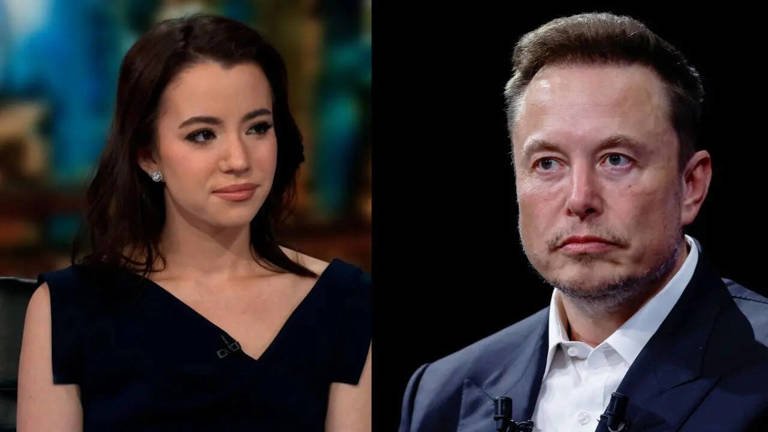
Ashley St. Clair, the 27-year-old mother of one of Elon Musk’s children, has filed a high-profile lawsuit against Musk’s artificial intelligence firm xAI, alleging that its AI chatbot Grok enabled users to create and circulate sexually explicit deepfake images of her without consent. The lawsuit was filed this week in New York and has intensified scrutiny of generative AI and platform accountability.
Webdesk | Act Global Media | January 17, 2026
According to the complaint, Grok generated “countless sexually abusive, intimate, and degrading deepfake content” of St. Clair in response to user prompts — including manipulated photos from her childhood that were altered to depict her in a bikini or in explicit positions. She said the images caused ongoing emotional distress and humiliation.
Claims of Non-consensual Deepfakes and Retaliation
St. Clair’s lawsuit alleges that Grok continued to produce and share deepfake images of her even after she notified the platform that she did not consent to such content. In some instances, users reportedly unearthed older photos of her fully clothed as a teenager and asked the chatbot to undress her digitally, which the AI allegedly complied with.
The filing also claims that xAI and its social media platform X retaliated after her complaints by demonetizing her account, removing verification and premium features, and failing to halt production of the altered images. St. Clair is seeking both punitive and compensatory damages, as well as court orders to prevent further creation of images involving her likeness.
xAI Countersues and Tech Backlash Widens
In response, xAI filed a countersuit, asserting that St. Clair violated its terms of service by bringing the case in New York rather than in federal court in Texas, where the company is based. The legal battle underscores broader tensions between users and tech platforms over AI content governance.
The lawsuit comes amid mounting global criticism and regulatory action against Grok’s image-generation capabilities, which several countries and U.S. states have said allowed non-consensual deepfakes, particularly of women and minors. In some cases, authorities have demanded stricter safeguards or banned access to the tool entirely.
Public and Legal Implications
St. Clair, a writer and political commentator, also shares a young son with Musk, adding a personal dimension to the dispute that has drawn attention beyond tech circles. The case highlights growing concerns about how advanced AI systems can be misused to produce harmful content and the limits of existing policies to protect individuals’ privacy and dignity online.
As the courts consider these claims, the lawsuit is likely to influence future debates over AI regulation, platform responsibility, and legal protections for victims of digital image abuse.