




Author: Beenish Rida Habib


If you are planning to buy a home in Florida in 2026, one of the first decisions you will likely face is choosing a mortgage lender. Mortgage financing is a critical component of most real estate transactions. The majority of homebuyers rely on mortgage loans rather than paying the full purchase price in cash. Recent housing research indicates that the U.S. median monthly cost for homeowners with a mortgage reached approximately $2,035 in 2024, reflecting rising homeownership costs across the country. In Florida specifically, housing costs and mortgage payments have become a major factor in home affordability as property prices…

Buying a home in Florida is mostly a cash-management problem: the down payment, closing costs, prepaids (taxes/insurance), and reserves can add up fast—especially while monthly ownership costs have been rising nationally. The U.S. Census Bureau reported median monthly owner costs for households with a mortgage of $2,035 in 2024, up from $1,960 (inflation-adjusted) in 2023. That’s why Florida buyers often look for down payment assistance (DPA). But “assistance” doesn’t always mean “free money.” Many programs are structured as second mortgages (deferred or forgivable), and some have rules that can make them expensive if you refinance or sell early. This guide…

Yes, gift funds can often be used for a mortgage down payment. But the rules are not “one size fits all.” The acceptable donor, how much of the down payment can be gifted, and what documentation is required depends on: • the loan type (conventional vs FHA vs VA, etc.), • whether the home is a primary residence vs second home, • the LTV (how much you’re borrowing compared to the purchase price), • and the lender’s overlays (extra requirements a lender may add). Gift funds matter more in 2026 because coming up with cash has become harder for many…

Credit report errors can slow down underwriting, raise your interest rate, or even derail a purchase if they surface late in the process. The good news: U.S. consumers have clear rights and processes to review, dispute, and correct inaccurate credit information if they follow the system and document it well. This matters in 2026 because homeownership costs remain elevated. The U.S. Census Bureau reported median monthly owner costs for homeowners with a mortgage increased to $2,035 in 2024 from $1,960 in 2023 (inflation-adjusted), which makes any avoidable rate/fee hit more painful. And the National Association of REALTORS® (NAR) reported the…

Income verification is a critical step in the U.S. mortgage process. Lenders need to confirm that a borrower’s income exists, is documented, and is reasonably stable before approving a home loan. This process is guided by federal standards, investor rules, and risk management practices used across the mortgage market. Understanding how lenders verify income for mortgages can help borrowers prepare documentation and navigate the approval process confidently. Why Income Verification Matters Lenders verify income to ensure borrowers can repay their mortgage. It is one of several underwriting checks that include credit history, assets, liabilities, and property details. Income verification answers…

Across the United States, mortgage applications are routinely reviewed against detailed underwriting criteria before a loan is approved. A denial can be frustrating and confusing for prospective homebuyers, yet it’s not random – it is typically based on documented financial factors that lenders have determined are material to risk. Understanding common triggers can clarify why denial happens and what broad market data shows about patterns of denials in the U.S. This educational article explains common reasons mortgage applications are denied, supported by publicly available data, industry research, and known lender practices. It is informational and not a substitute for individualized…

Debt-to-income ratio (DTI) is one of the most widely referenced financial metrics in U.S. consumer lending. Mortgage lenders, auto lenders, and other financial institutions frequently evaluate DTI to understand how a household’s existing debt obligations compare to its income. Although the term is commonly mentioned in homebuying discussions, many consumers are not fully clear on how DTI is calculated, what it represents, or how it fits into broader lending decisions. This educational guide explains how DTI works using publicly available U.S. data and widely recognized lending concepts. It focuses on definitions, calculation methods, and national-level research context. It does not…

Credit reports are the foundation of credit scores and many lending, housing, and financial decisions in the United States. Errors, outdated information, or fraudulent activity on a credit report can affect borrowing costs, rental applications, insurance pricing, and access to financial products. Despite this, many consumers review their credit reports infrequently—or not at all. According to research published by the Consumer Financial Protection Bureau (CFPB), credit reporting issues are consistently among the most common consumer complaints submitted each year. Many of these complaints involve inaccurate account information, identity theft, or failure to correct errors after disputes. This article provides a…

Credit utilization is one of the most influential yet frequently misunderstood factors in U.S. credit scoring. While many consumers focus on making payments on time, public research shows that how much credit you use relative to your available limits can materially affect credit scores, even when no payments are missed. According to consumer education materials published by the Consumer Financial Protection Bureau (CFPB), utilization is a key indicator of credit risk because it reflects borrowing behavior in real time. High utilization may signal financial strain, while lower utilization generally reflects greater capacity to manage credit. This article provides a neutral,…
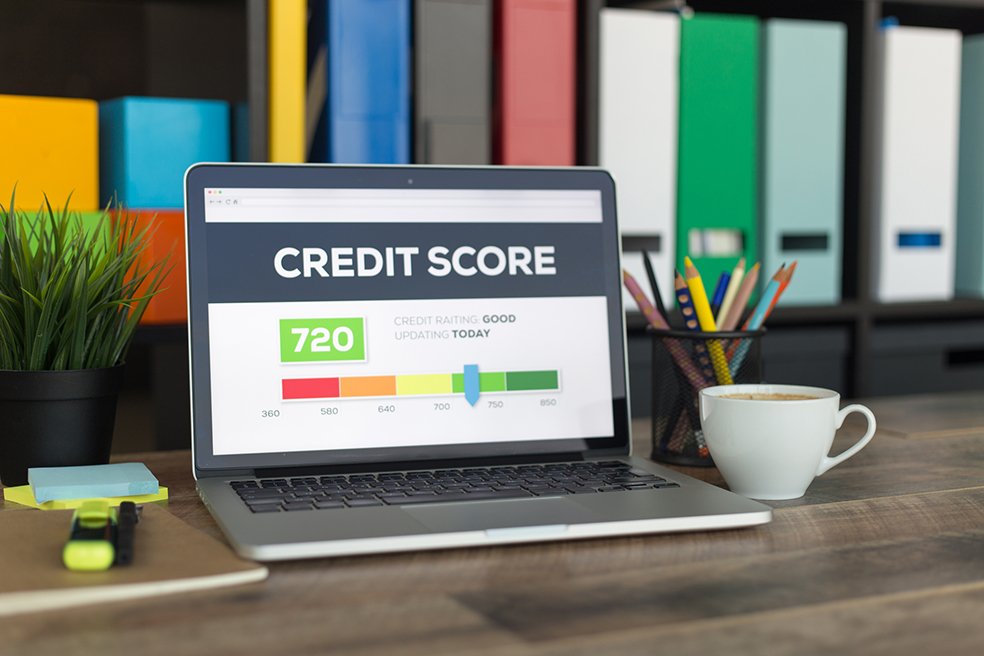
Credit scores play a central role in the U.S. financial system. They influence access to credit, borrowing costs, housing options, insurance pricing, and even employment screening in some cases. Despite their importance, many consumers misunderstand how credit scores are calculated and what they actually represent. According to data published by the Consumer Financial Protection Bureau (CFPB), confusion about credit scoring is widespread, and misconceptions often lead consumers to overestimate the impact of isolated actions or underestimate the role of long-term credit behavior. This article provides a neutral, educational, U.S.-specific, data-based explanation of how credit scores work, what factors influence them,…