

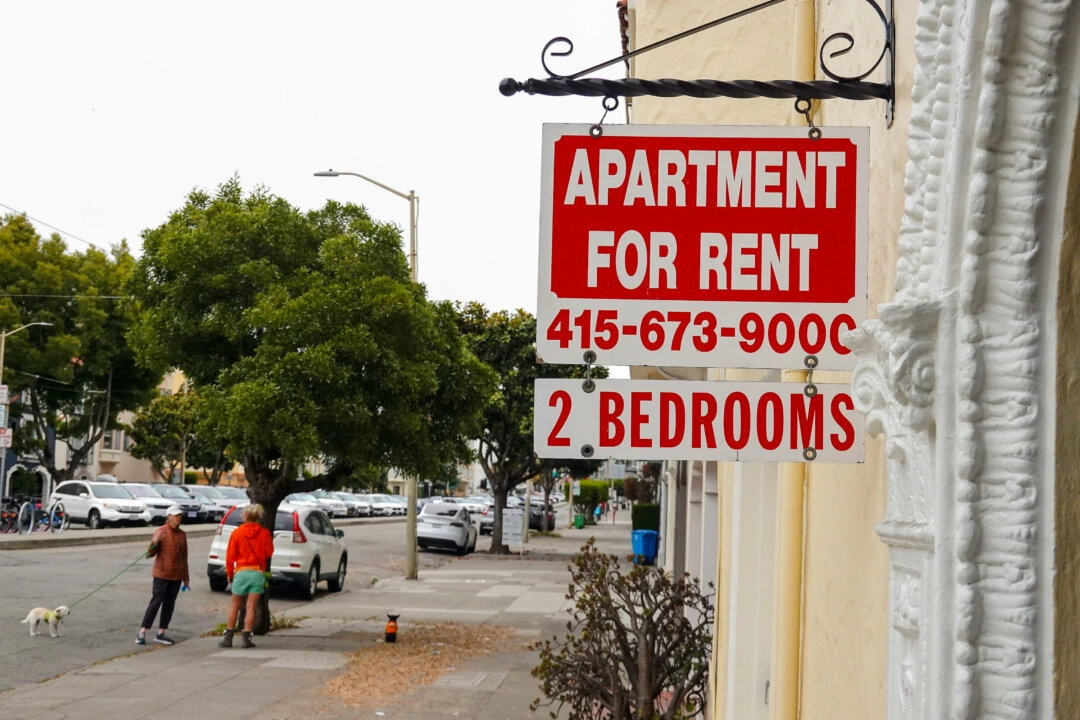
US apartment rents fell for a sixth straight month in January as a surge in new housing supply cooled prices nationwide, offering renters relief while keeping affordability in focus.
WEBDESK – Act Global Media
US apartment rents declined for a sixth consecutive month in January, underscoring easing pressure in the rental market as a wave of new supply gives tenants more bargaining power.
Rents fell 0.2% month over month in January, according to an Apartment List analysis. The national median monthly rent stood at $1,353, down 1.4% — or about $20 — from a year earlier. Since peaking in mid-2022, nationwide median rent has dropped 6.2%.
Reacting to the data, the White House credited policy efforts under President Donald Trump to curb housing costs. In a statement issued Feb. 2, the administration said the trend reflects “early impacts” of measures aimed at boosting housing supply, cutting regulatory barriers and supporting builders.
Apartment List said a historic jump in multifamily construction has pushed vacancy rates to 7.3% — the highest since 2017. More than 600,000 new multifamily units were delivered in 2024, the largest annual increase since 1986, with nearly 500,000 additional units coming online last year.
While construction is expected to slow in 2026, analysts say the market will still be flush with available apartments. As a result, landlords are facing stiffer competition and reduced pricing leverage, leading to longer leasing times. The average “list-to-lease” period reached a record 41 days in January, up four days from a year earlier and more than double the pace seen in the summer of 2021.
Regionally, rents declined month over month in 39 of the 54 largest metro areas reviewed, and year over year in 32 markets. The steepest declines were recorded across the South and Mountain West, while parts of the Northeast, Midwest, and West Coast showed modest increases.
Austin, Texas, posted the sharpest fall, with average rents down 6.3% over the past year and more than 20% below their 2022 peak, reflecting rapid homebuilding. Denver, Phoenix, San Antonio, Tampa and Raleigh also saw notable declines. By contrast, resort hub Virginia Beach and tech-driven markets such as San Jose and San Francisco recorded gains as high-paying jobs supported demand.
A separate January report from LendingTree found that renting remains cheaper than owning in nearly every major U.S. metro area. On average, homeowners with a mortgage pay about 37% more per month than renters, with the widest gaps in San Francisco, New York City, and Bridgeport, Connecticut.
Still, analysts caution that the decision to rent or buy extends beyond monthly costs. “Homebuying can represent accomplishment, securit,y and stability,” LendingTree chief consumer finance analyst Matt Schulz said, advising prospective buyers to stay flexible on location and home type while continuing to build savings and shop for competitive mortgage rates.
Despite the recent cooling, policymakers and analysts say sustained affordability will depend on maintaining supply growth and broader economic conditions in the months ahead.
