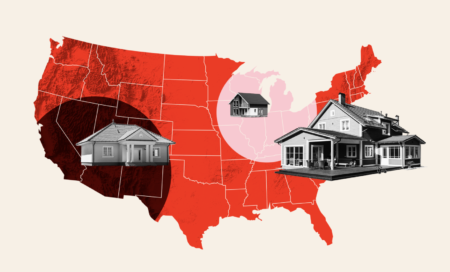





Baby boomers have long dominated the U.S. housing market as the largest cohort of homeowners and repeat buyers, but a new competitor is emerging faster than expected: Generation Z. Analysts say the earliest Gen Z buyers—many now in their mid-20s—are beginning to influence housing demand patterns across entry-level markets, creating fresh competition for starter homes and reshaping affordability dynamics nationwide, including in fast-growth states such as Florida.
Economists note that demographic momentum is a powerful driver of housing demand. According to estimates from the U.S. Census Bureau, Gen Z already represents roughly one-fifth of the U.S. population, and a growing share is entering prime household-formation years earlier than many analysts previously expected. Historically, this transition stage increases demand for smaller homes, rentals that convert to ownership, and lower-priced suburban properties.
At the same time, baby boomers—many now in retirement or approaching it—remain unusually active participants in the housing market. Data from the National Association of Realtors (NAR) shows older homeowners continue to account for a significant share of both buyers and sellers, partly because many carry substantial home equity accumulated during decades of price appreciation. Analysts say this financial advantage allows boomers to compete strongly in cash-heavy transactions, especially in lower-inventory markets.
The overlap between these two groups is increasingly visible in entry-level housing segments. Housing economists say this dynamic can tighten supply conditions because boomers often downsize into the same smaller properties younger buyers target. In many metro areas, including Sun Belt regions, this has contributed to stronger competition for homes priced under $400,000.
This demographic shift is unfolding alongside broader macroeconomic pressures affecting housing activity. Mortgage rates remain elevated compared with pandemic-era lows, with data from Freddie Mac showing the average 30-year fixed mortgage rate hovering in the mid-to-upper-6% range in recent months. Higher borrowing costs tend to reduce purchasing power, particularly for first-time buyers entering the market with smaller down payments.
Inflation trends also continue to shape housing decisions. According to the Bureau of Labor Statistics (BLS), shelter remains one of the largest contributors to overall consumer inflation, which can delay homeownership timelines for younger households managing rising living expenses. Economists say elevated rent levels often encourage earlier attempts to purchase homes, even when financing conditions remain challenging.
Interest-rate expectations set by the Federal Reserve also play a central role. If borrowing costs remain higher for longer, younger buyers may increasingly compete for limited affordable inventory rather than waiting for lower rates. Historically, sustained mortgage rates above 6% can reduce purchasing capacity by roughly 10%–15% compared with sub-4% environments.
For homebuyers, particularly first-time purchasers in Gen Z, the emerging competition with boomers could reshape entry strategies. Industry estimates suggest that a 1% increase in mortgage rates can raise monthly payments by approximately $150–$300 on a $300,000 loan, which may push some younger buyers toward smaller homes or different locations. As a result, suburban and secondary markets are seeing increased attention from early-career buyers.
Investors are also monitoring this demographic crossover closely. Rental demand remains strong among younger households delaying ownership, but the gradual transition of Gen Z into buying activity could shift investment strategies toward entry-level resale properties. Analysts say this may influence pricing stability in workforce-housing segments that traditionally attract both landlords and first-time buyers.
Developers and builders may adjust construction pipelines accordingly. Historically, when younger cohorts enter the market in large numbers, builders respond by increasing production of smaller single-family homes and townhomes. However, construction costs—often influenced by labor shortages and material pricing—can rise 5%–10% during inflationary periods, limiting how quickly supply can expand.
The Florida housing market illustrates how these dynamics may play out regionally. Rapid population growth and continued migration from higher-cost states have already tightened inventory in many metro areas. If Gen Z participation increases alongside continued boomer downsizing, competition for homes under $500,000 could intensify further in cities such as Orlando, Tampa, and Jacksonville. Housing economists note that Florida’s strong job growth in logistics, healthcare, and tourism continues to attract younger workers entering ownership pathways earlier than previous generations.
For consumers, the shift could influence both monthly housing costs and timing decisions. A typical difference of even $50,000 in purchase price—common when supply is constrained—can increase monthly mortgage payments by roughly $250–$350 depending on interest rates and down-payment size. This may encourage some households to delay purchases or consider renting longer while monitoring rate trends.
Rent-versus-buy decisions are also becoming more complex. In markets where rents remain elevated, younger households may still find ownership comparatively attractive despite higher borrowing costs. Historically, sustained rent inflation tends to accelerate first-time buyer entry once financing conditions stabilize.
Looking ahead, analysts say the emerging overlap between Gen Z buyers and baby boomer downsizers could become a defining feature of the next housing cycle. While interest-rate movements and supply conditions remain key variables, demographic momentum alone suggests competition in entry-level housing segments may continue to intensify in the coming years.