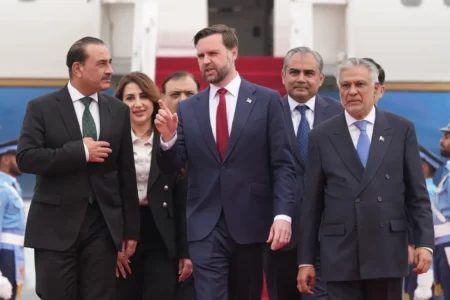




High-level peace talks between the United States and Iran ended without agreement after more than 20 hours of negotiations in Islamabad, with both delegations leaving Pakistan as major differences remained unresolved.
The talks, hosted and mediated by Pakistan, were among the most significant direct engagements between Washington and Tehran in decades and were aimed at securing a long-term settlement to the ongoing conflict and preserving a fragile ceasefire. However, officials said negotiators failed to bridge gaps on key issues, including Iran’s nuclear program and control of the strategically vital Strait of Hormuz.
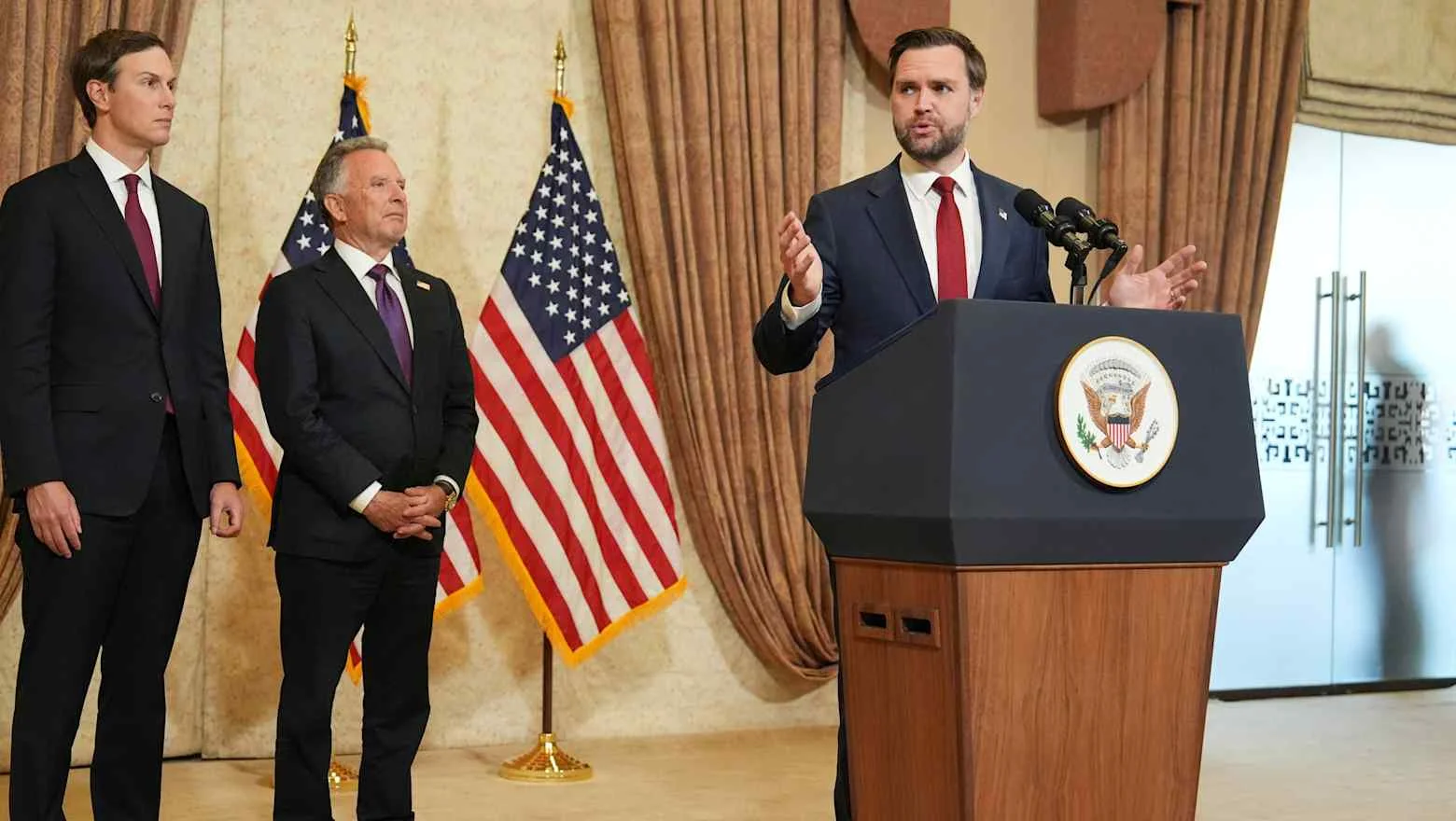
U.S. Vice President JD Vance, who led the American delegation, confirmed the talks ended without a deal, saying the United States had presented what he described as its “final and best offer,” which Iran declined to accept.
Iranian officials, meanwhile, accused Washington of making excessive demands and emphasized that a comprehensive agreement was unlikely to be reached in a single round of negotiations. Pakistani officials said both sides made progress on some points but remained “far apart” on several critical issues.
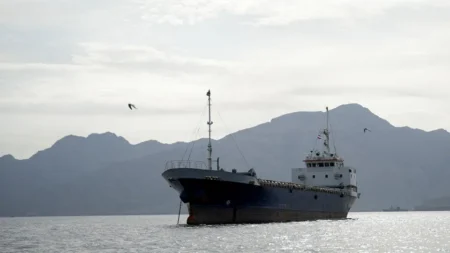
The discussions were intended to reinforce a two-week ceasefire that had reduced hostilities after weeks of regional escalation affecting shipping routes and energy markets. With no agreement reached, uncertainty remains over whether the truce can hold beyond its current timeframe.
Despite the setback, officials from both countries signaled that diplomatic contacts could continue, leaving open the possibility of future negotiations aimed at preventing renewed conflict.
Analysts say the outcome highlights the complexity of addressing military tensions, nuclear concerns, sanctions disputes, and maritime security issues within a single diplomatic framework. With global energy markets closely watching developments around the Strait of Hormuz, the next steps in U.S.–Iran diplomacy are expected to be critical for regional stability.