

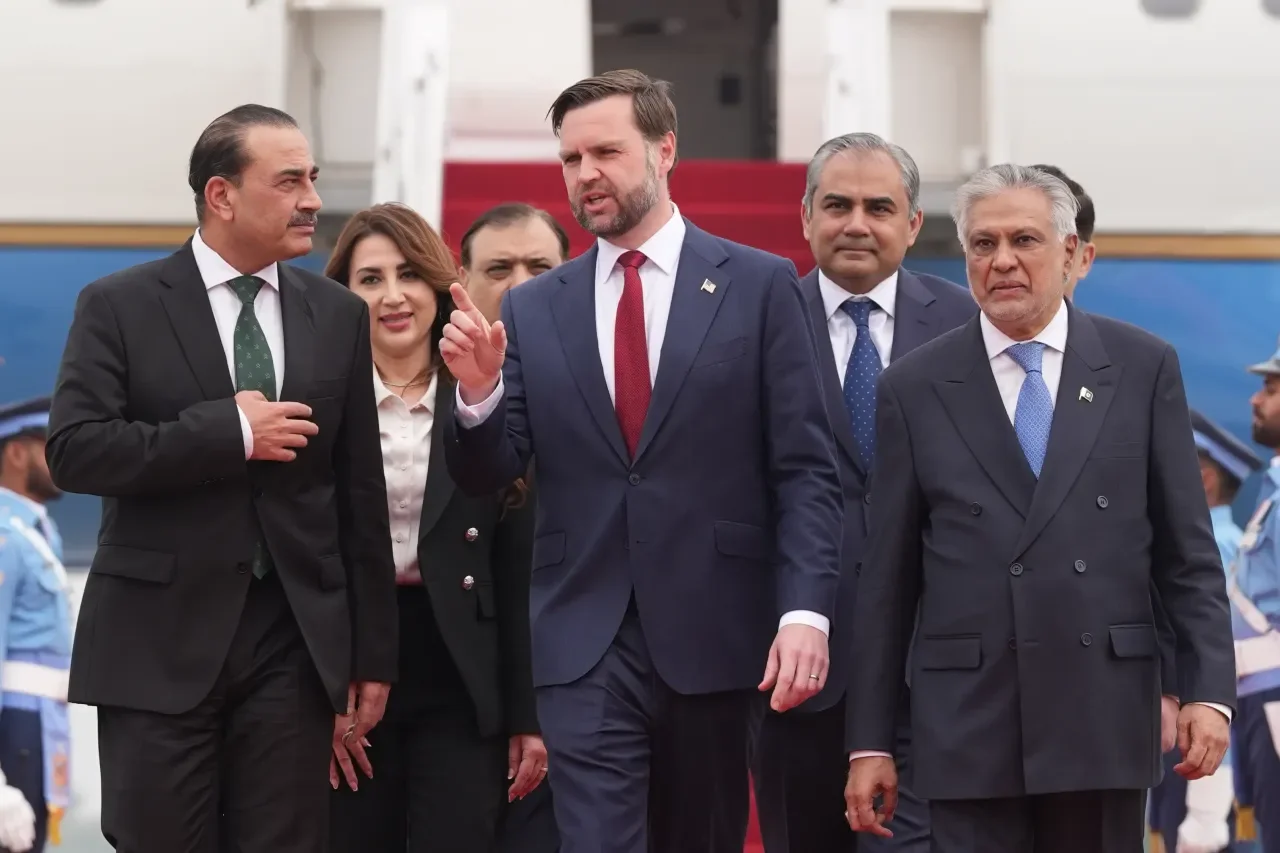
Senior officials from the United States and Iran have begun direct peace talks in Islamabad in what analysts describe as a historic diplomatic development aimed at ending weeks of escalating conflict and stabilizing tensions across the Middle East.
The negotiations, mediated by Pakistan, mark one of the most significant direct engagements between Washington and Tehran in decades and come after progress in earlier indirect discussions between the two sides. The talks are focused on preserving a fragile ceasefire and preventing further escalation following a six-week conflict involving regional actors.
The U.S. delegation is being led by Vice President JD Vance, alongside senior envoys including Steve Witkoff and Jared Kushner, while Iran’s team includes top political and diplomatic leaders such as Foreign Minister Abbas Araghchi. Pakistani officials are facilitating discussions as part of broader international efforts to reach a durable settlement.
Key issues on the agenda include reopening the strategically vital Strait of Hormuz, easing sanctions on Iran, addressing regional ceasefires particularly in Lebanon and ensuring maritime security in the Gulf. However, major differences remain between the two sides, and expectations for a rapid breakthrough remain cautious.
Iran has reportedly set conditions ahead of negotiations, including demands related to sanctions relief and guarantees tied to regional conflicts, while the United States is seeking commitments to reduce hostilities and stabilize shipping routes critical to global energy markets.
Pakistan’s role as mediator reflects its growing diplomatic involvement in regional crisis management, with Prime Minister Shehbaz Sharif expressing hope that the talks could serve as a stepping stone toward lasting peace.
Despite the historic nature of the meeting the highest-level direct talks between the two countries since the 1979 Iranian Revolution officials say negotiations remain complex and fragile, with significant political and security challenges still unresolved.