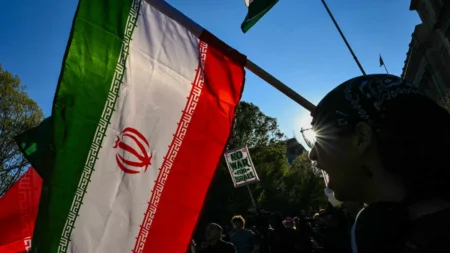




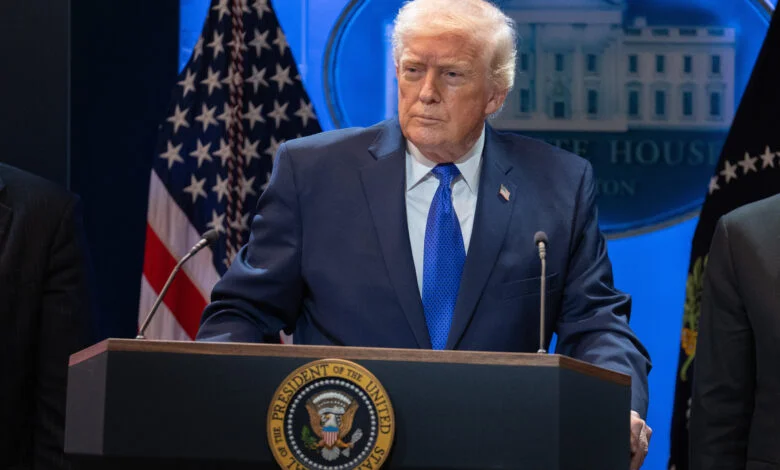
The White House says a fragile ceasefire between the United States and Iran is expected to continue if maritime traffic through the Strait of Hormuz remains open, underscoring the strategic importance of the waterway to ongoing diplomatic efforts to stabilize the conflict.
Officials confirmed that the temporary truce is closely tied to Iran allowing safe passage for ships through the strait, a vital global shipping route that carries roughly one-fifth of the world’s oil supply. The administration emphasized that reopening the corridor is a central condition of the agreement and must happen immediately rather than later in the ceasefire timeline.
The conditional ceasefire, currently set for roughly two weeks, followed urgent mediation efforts involving regional partners and came just before the United States had warned of possible strikes on Iranian infrastructure if access to the waterway was not restored.
Iran has signaled it may permit controlled passage through the strait under military coordination while broader negotiations continue. Officials in Tehran said the move could support continued talks aimed at preventing further escalation but warned the ceasefire remains fragile and could collapse if tensions rise again.
The Strait of Hormuz has become a central flashpoint in the wider conflict, with previous disruptions sharply reducing tanker traffic and triggering volatility in global energy markets. Any renewed closure could quickly affect oil prices and shipping routes worldwide.
White House officials also pushed back on reports suggesting the strait had already been shut again, saying the administration expects maritime access to remain open and that shipping activity appears to be continuing.
Diplomatic efforts remain ongoing as multiple countries work to extend the ceasefire framework beyond its initial timeline. For now, officials say maintaining open shipping lanes through the Strait of Hormuz remains the key factor determining whether the truce can hold in the coming days.