




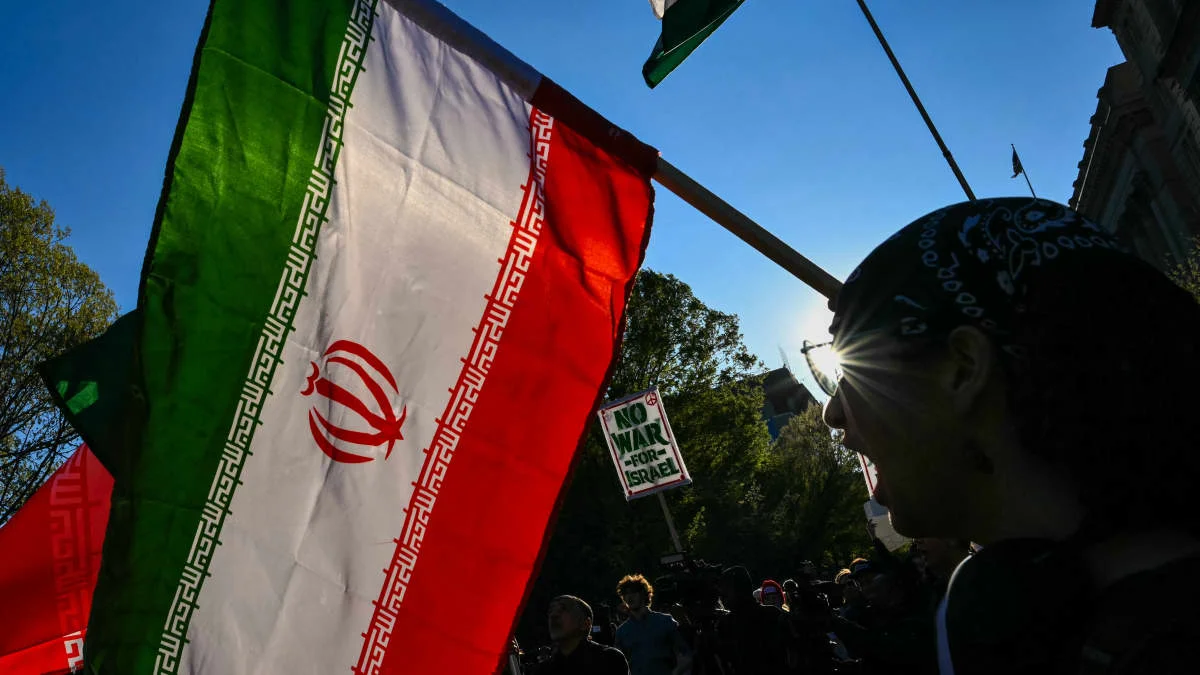
A fragile ceasefire between the United States and Iran is facing renewed strain after Tehran said it was halting tanker traffic through the strategically vital Strait of Hormuz, raising concerns about a potential escalation in regional tensions and global energy disruption.
Iranian state-linked media reported that shipping through the narrow waterway was suspended following continued strikes in Lebanon, which Iranian officials described as violations affecting the broader ceasefire environment. The move immediately heightened uncertainty around a temporary truce intended to stabilize the region after weeks of conflict.
The Strait of Hormuz is one of the world’s most critical maritime corridors, carrying roughly a fifth of global oil shipments. Any disruption to traffic through the route can quickly affect international energy markets and supply chains. Shipping companies have already warned that the ceasefire does not yet provide sufficient security guarantees to fully resume normal operations in the Gulf.
Officials had earlier signaled that safe passage through the strait could be permitted under military coordination as part of a two-week pause in hostilities. However, the latest developments suggest that implementation of those arrangements remains uncertain and vulnerable to events elsewhere in the region.
The ceasefire itself followed intense diplomatic efforts involving multiple countries seeking to prevent a wider regional conflict. France has said more than a dozen nations are working together to help restore maritime access through the strait while supporting stabilization efforts.
Security analysts warn that the disruption underscores how quickly fragile agreements can unravel when parallel conflicts continue nearby. With hundreds of vessels still affected and global markets watching closely, the situation in the Strait of Hormuz remains one of the most sensitive flashpoints in the current crisis.