

Why Rent Growth Matters in the Florida Housing Market
Florida has experienced one of the most dramatic rental housing shifts in the United States during the past decade. Rapid population growth, strong migration flows, and rising home prices have pushed many households toward renting rather than homeownership.
Between 2019 and 2023, the state experienced an extraordinary surge in rental costs. According to research from the University of Florida’s Shimberg Center for Housing Studies, the median gross rent in Florida rose from $1,238 in 2019 to $1,719 in 2023, representing a 39% increase in just four years.
This sharp growth far exceeded historical trends and made Florida one of the fastest-growing rental markets in the country. The rent increases were driven by multiple factors, including:
- strong population migration into Florida
- limited housing supply during the pandemic period
- rising homeownership costs
- increased demand from remote workers and retirees relocating from higher-cost states.
Population growth has been a particularly powerful driver. According to the U.S. Census Bureau, several Florida metropolitan areas including Orlando, Tampa, and Miami ranked among the fastest-growing metro regions in the United States in recent years. The growth in residents has directly increased demand for housing, especially rental units. This article provides a comprehensive analysis of:
- the Florida cities experiencing the highest rent growth
- the economic and demographic factors driving rental price increases
- how rent growth compares across Florida regions
- the implications for renters, investors, and housing affordability.
The analysis draws on statistical data and research from:
- U.S. Census Bureau
- American Community Survey (ACS)
- U.S. Department of Housing and Urban Development (HUD)
- National Association of Realtors (NAR)
The purpose is to provide a neutral, educational overview of rental market trends across Florida.
Key Drivers of Understanding Rent Growth:
Rent prices are influenced by several structural factors that shape housing demand and supply.
1-Population Growth
One of the most significant drivers of rental demand is population growth. Between 2023 and 2024, Florida added more than 467,000 residents, making it one of the fastest-growing states in the United States. Major metro areas such as:
- Orlando–Kissimmee–Sanford
- Tampa–St. Petersburg–Clearwater
- Miami–Fort Lauderdale–West Palm Beach
accounted for large portions of this growth. As population increases, demand for housing — particularly rental housing — rises as well. This trend closely aligns with broader population growth trends in Florida cities, which continue to shape rental demand across the state.
2-Homeownership Affordability
Higher home prices and rising mortgage rates have also increased rental demand. Many households that might otherwise purchase homes are choosing to rent due to affordability constraints. For buyers comparing ownership costs, exploring Florida cities with the lowest property taxes can provide useful insight into more affordable alternatives.
National housing data from the National Association of Realtors (NAR) shows that higher borrowing costs in recent years have reduced home affordability for many buyers. This shift has increased the number of renters in several major metropolitan markets.
3-Housing Supply Constraints
During the pandemic period, housing construction slowed due to:
- supply chain disruptions
- labor shortages
- rising construction costs.
When supply cannot keep up with demand, rents often rise rapidly. Although construction has increased recently, many Florida cities still face housing shortages.
4-Migration From Higher-Cost States
Florida has attracted significant migration from states with higher housing costs, including:
- New York
- New Jersey
- California
- Illinois.
Many migrants arrive with higher incomes and are able to pay higher rents, which can push rental prices upward.
Florida Cities With the Highest Rent Growth
Although rent increases have occurred across the state, some cities have experienced particularly rapid growth.
These cities typically combine strong population growth, economic expansion, and limited housing supply.
1-Orlando
Orlando has emerged as one of Florida’s most dynamic rental markets. The metropolitan area has experienced strong population growth and economic expansion driven by tourism, healthcare, and technology sectors.
According to Census Bureau data, the Orlando–Kissimmee–Sanford metro area added more than 54,000 residents in a single year, ranking among the fastest-growing metro areas in the country. This population growth has contributed to strong rental demand. Average apartment rents in the Orlando housing market increased rapidly during the early 2020s before stabilizing in recent years. Demand remains strong due to continued migration and job growth.
2-Tampa
Tampa has also experienced significant rent growth. The city’s expanding economy and migration inflows have attracted both renters and homebuyers. Between 2020 and 2023, Tampa experienced one of the largest rental price increases among major U.S. metropolitan areas. The region’s technology sector growth and increasing number of remote workers relocating from higher-cost states have contributed to this demand. Suburban areas around Tampa have also seen rising renter populations. In some Tampa Bay suburbs, renters now represent a larger share of households than homeowners, reflecting changing housing preferences.
3-Miami
Miami remains one of the most expensive rental markets in Florida. Although rent growth has moderated recently, prices remain significantly higher than statewide averages. Median rents in Miami have exceeded $2,000 per month for many apartment units. Migration from both domestic and international residents continues to drive housing demand. Miami’s strong job market and global financial connections have helped sustain high rental demand despite recent market cooling.
4-Jacksonville
Jacksonville has experienced significant rent growth as population expansion and economic development increase housing demand. The city offers relatively lower housing costs compared with Miami or Tampa, which has attracted both renters and homebuyers. Rapid population growth in North Florida has increased demand for rental housing, particularly near employment centers.
5-Fort Myers
Fort Myers has become one of Florida’s fastest-growing cities. The region has attracted retirees and remote workers relocating from northern states. Population growth has contributed to rising rental demand and increased housing development. The city’s expanding healthcare and service sectors also support rental housing demand.
6-Sarasota
Sarasota and the surrounding metropolitan area have experienced significant population growth. The North Port–Bradenton–Sarasota metro area had a population exceeding 910,000 by 2023, according to Census estimates. Strong population inflows have increased demand for rental housing across the region.
7-Gainesville
Gainesville’s rental market is influenced heavily by its large student population. The city is home to the University of Florida and has more than 140,000 residents, with a metropolitan population exceeding 350,000 people. Student housing demand contributes to strong rental activity and price growth in certain neighborhoods.
8-Naples
Naples has experienced strong rent growth due to migration from high-income households relocating to Southwest Florida. The city’s limited housing supply and desirable coastal location have increased rental demand.
9-Cape Coral
Cape Coral has seen substantial population growth and increased housing development. The city’s affordability compared with other Florida coastal markets has attracted new residents. Rental demand has increased accordingly.
10-Palm Beach County Cities
Several cities within Palm Beach County have experienced rising rental demand as new residential developments expand. Population growth and job creation in South Florida continue to support rental housing demand.
Rent Growth Trends Across Florida
Although rents rose dramatically between 2020 and 2023, the pace of increases has moderated recently. Some rental markets have even experienced slight declines in rent due to increased housing construction and rising vacancy rates. For example:
- Miami rents declined slightly between 2024 and 2025 while remaining above statewide averages.
- Orlando rents also experienced modest stabilization after earlier rapid increases.
These trends reflect the cyclical nature of housing markets.
Comparing Florida Rent Growth With National Trends
The U.S. rental market has experienced similar trends. National rental prices increased during the pandemic period before stabilizing. According to estimates from the U.S. Department of Housing and Urban Development, national rents are projected to increase about 4.8% in 2025. Florida’s rent growth has often exceeded national averages due to strong population migration.
Housing Supply and Future Rent Growth
Housing construction is increasing across Florida. Large numbers of new apartment units are under development, particularly in major metropolitan areas. Increasing housing supply may slow future rent increases. However, continued population growth may maintain strong demand for rental housing.
Implications for Renters
Rent growth has had major implications for renters across Florida. Higher rents can:
- reduce housing affordability
- increase cost burdens for households
- encourage migration to lower-cost regions.
Many households now spend a larger share of their income on housing. Housing affordability remains a key policy issue for many Florida cities.
Implications for Investors
Rapid rent growth can attract real estate investors seeking rental income opportunities. Cities with strong population growth and job expansion often experience higher rental demand. However, investors must also consider factors such as:
- housing supply
- local regulations
- economic conditions.
Future Outlook for Florida Rent Growth
Several trends will influence the future of Florida’s rental market:
- Population migration into the state
- housing construction levels
- interest rates and home affordability
- economic growth and employment.
Although rent growth has moderated recently, Florida’s long-term population expansion may continue to support rental housing demand.
Conclusion
Florida has experienced one of the fastest rental market expansions in the United States. Key findings include:
- Median rents in Florida increased 39% between 2019 and 2023, reflecting strong housing demand.
- Florida added hundreds of thousands of new residents in recent years, increasing demand for housing.
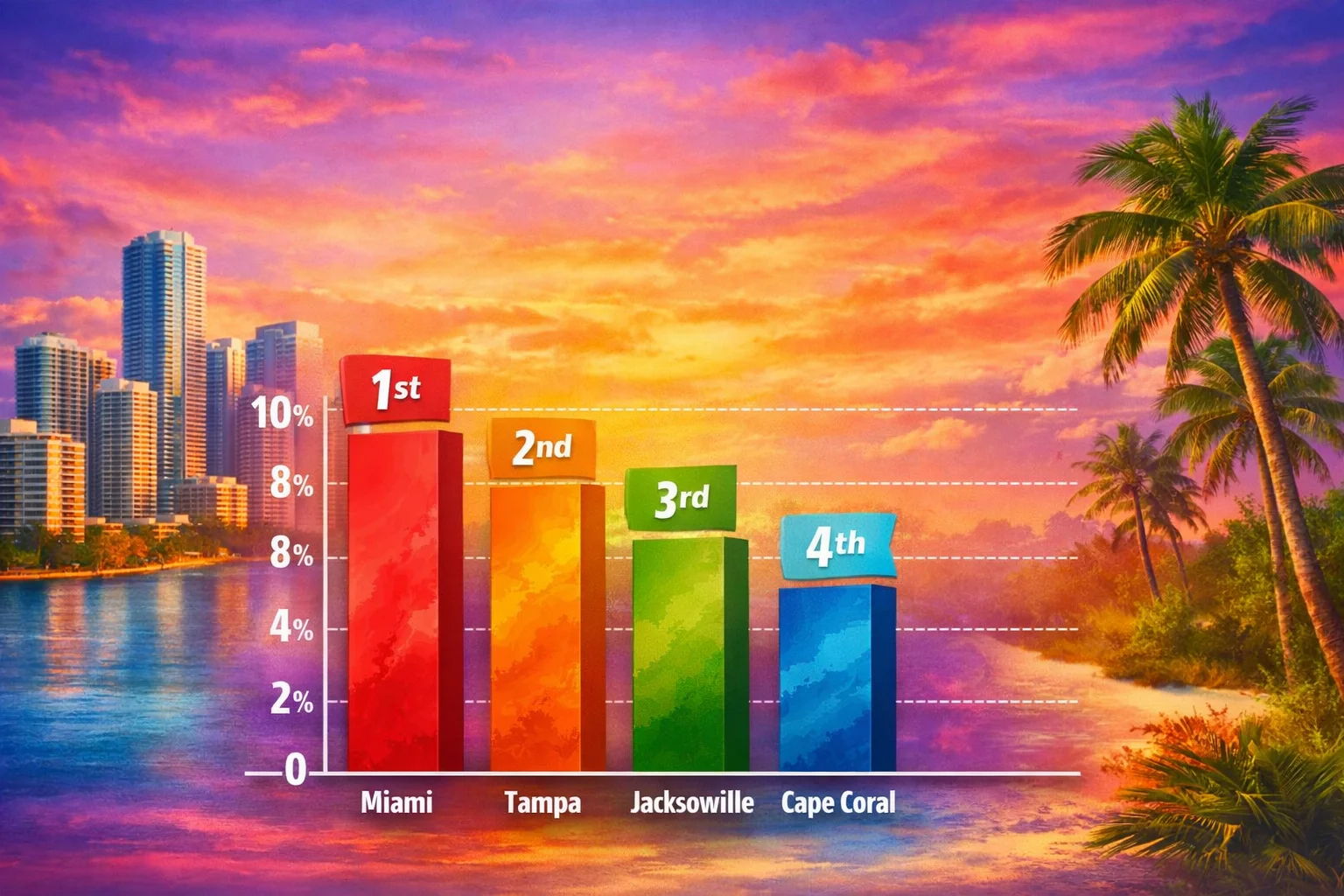
- Cities such as Orlando, Tampa, Miami, Jacksonville, and Sarasota have experienced some of the strongest rent growth in the state.
- Although rent increases have slowed recently, rental costs remain significantly higher than pre-pandemic levels.
Understanding these trends is essential for evaluating housing affordability, rental demand, and real estate market dynamics across Florida.
Editorial Disclosure
This article is provided for educational and informational purposes only. Housing market conditions and rental prices vary by location and change over time. Readers should consult official government sources and qualified professionals for specific real estate, financial, or housing decisions