


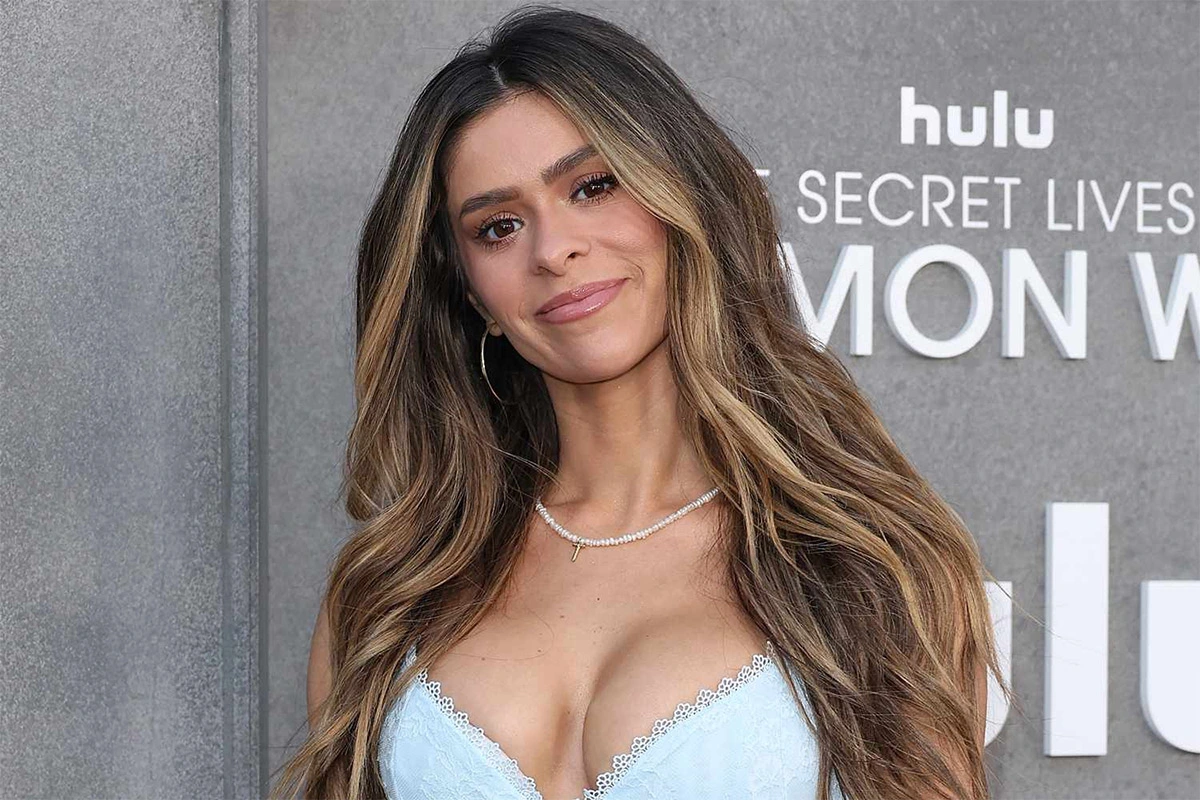
Social media influencer Taylor Frankie Paul is at the center of a growing conversation about how viral videos are reshaping celebrity accountability, highlighting how digital footage can permanently influence public reputation and legal scrutiny.
Paul, known for her popularity on TikTok and appearances connected to The Secret Lives of Mormon Wives, has become a high-profile example of how online video evidence can follow public figures long after incidents occur. Legal analysts and media experts say her situation reflects a broader shift in the relationship between fame, privacy, and responsibility in the influencer era.
Unlike traditional celebrities of previous decades, today’s digital personalities often build their careers through constant public exposure. That same visibility can quickly turn into risk when controversial moments are recorded and widely shared online. Experts note that once a video circulates across platforms, it becomes difficult to control its narrative impact.
Public reaction to viral footage increasingly shapes both legal attention and brand partnerships. Companies are now more cautious about working with influencers facing controversy, while audiences expect transparency and accountability from online personalities whose careers depend heavily on public trust.
Media observers say the rise of short-form video platforms has fundamentally changed crisis management strategies. Influencers now respond faster and more directly to controversy—but they also face faster reputational consequences when incidents gain traction online.
Paul’s case underscores a wider reality across entertainment and social media: viral clips can resurface at any time, influence public perception instantly, and reshape careers overnight. Analysts believe this trend will continue as digital documentation becomes an unavoidable part of modern celebrity life. 📱⚖️