

Why County Property Tax Rates Matter in Florida
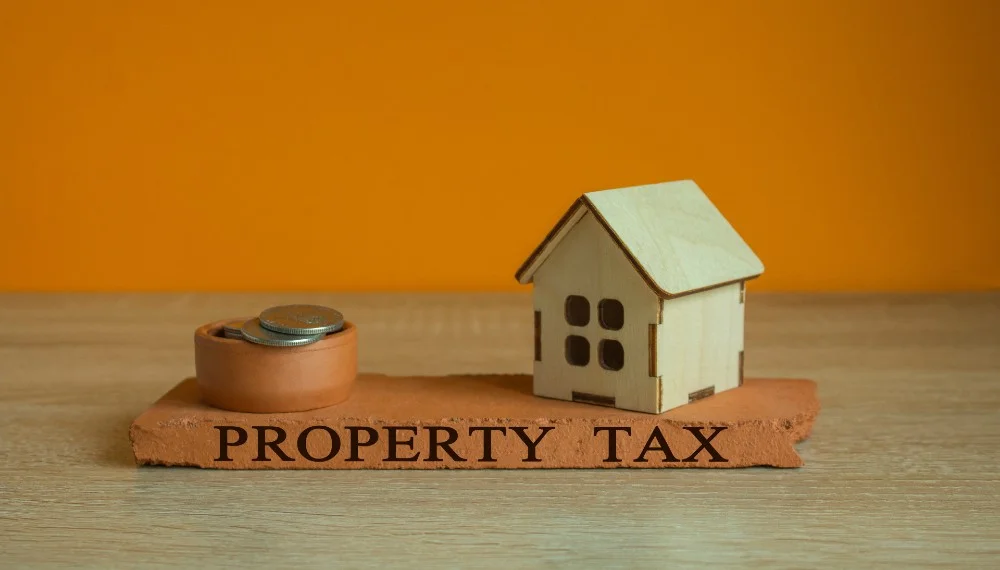
Property taxes are one of the most significant recurring costs of homeownership in the United States. Local governments rely heavily on property tax revenue to fund essential public services such as schools, police departments, fire protection, transportation infrastructure, and local government operations.
Across the United States, property taxes generate more than $350 billion annually, making them the largest single source of local government revenue. This funding structure is documented through housing finance data compiled by the U.S. Census Bureau and local government fiscal reports.
Florida’s property tax system is unique in several ways. The state does not levy a personal income tax, meaning local governments rely more heavily on property taxes and sales taxes to fund services. Despite this reliance, Florida’s property tax burden remains moderate compared with many other states.
For homeowners looking into how to appeal a property tax assessment in Florida in 2026, understanding how the system works is the first step toward identifying potential savings and ensuring a fair property valuation.
The average effective property tax rate in Florida is approximately 0.74% of home value, which is lower than the U.S. average and ranks around the middle among all states.
However, property tax rates in Florida vary widely depending on the county. Because property taxes are primarily set at the county and municipal level, homeowners in different parts of Florida can pay significantly different tax rates even on similarly priced homes.
For example:
- Some counties have effective property tax rates near 0.45% of property value, while
- Others exceed 1.0% of home value.
These variations are influenced by several factors:
- local government budgets
- school district funding
- property values
- infrastructure costs
- population growth.
Understanding these county-level differences is essential for homebuyers, real estate investors, and property owners evaluating the true cost of real estate ownership in Florida.
This article provides a comprehensive research-based analysis of Florida property tax rates by county, including:
- statewide property tax trends
- county-level tax rate comparisons
- examples from major metropolitan counties
- economic factors affecting local tax rates
- implications for homeowners and real estate investors.
The analysis incorporates research and data from:
- U.S. Census Bureau
- American Community Survey (ACS)
- National Association of Realtors (NAR)
- U.S. Department of Housing and Urban Development (HUD)
- Florida Department of Revenue property tax reports.
The objective is to provide an educational overview of how property taxes vary across Florida counties and what those differences mean for housing costs.
Overview of Florida Property Taxes
Florida property taxes are levied by local governments rather than the state government.
These taxes are used to fund services such as:
- public schools
- police and fire departments
- transportation and infrastructure
- parks and public facilities
- libraries and community programs.
The amount of property tax owed is determined by three factors:
- Assessed property value
- Applicable exemptions
- Local tax rate (millage rate)
Millage rates represent the amount of tax charged per $1,000 of taxable property value.
For example:
A millage rate of 10 mills means a homeowner pays $10 in taxes for every $1,000 of taxable property value.
Average Property Taxes in Florida
While tax rates vary by county, statewide averages provide useful context.
Research indicates:
- Florida average effective property tax rate: 0.74% of property value.
- Median property tax paid statewide: roughly $1,885 per year.
These averages are lower than the national property tax average.
For comparison:
| State | Average Effective Property Tax Rate |
| New Jersey | ~2.0% |
| Illinois | ~1.8% |
| Texas | ~1.4% |
| Florida | ~0.74% |
Lower property tax rates are one reason Florida is frequently cited as a tax-friendly state for retirees and investors.
Why Property Tax Rates Vary by County
Florida contains 67 counties, and each county has its own tax structure.
Property tax rates vary by county because local governments set millage rates based on:
- school district budgets
- infrastructure needs
- population growth
- property values
- local economic conditions.
Urban counties typically have higher tax rates because they provide more public services.
Rural counties may have lower rates but often rely on smaller tax bases.
For example:
- High-population counties such as Miami-Dade or Broward often have higher tax revenue needs.
- Rural counties with lower populations may have lower tax rates but fewer services.
Highest and Lowest Property Tax Counties in Florida
County-level data shows significant variation in property tax rates across Florida.
Examples include:
| County | Effective Property Tax Rate |
| Alachua County | ~1.47% |
| Hardee County | ~1.05% |
| Miami-Dade County | ~0.97% |
| Jackson County | ~0.62% |
| Monroe County | ~0.65% |
Alachua County has one of the highest effective property tax rates in the state, while Monroe County has one of the lowest.
These differences illustrate how local government funding needs influence property tax levels.
Property Tax Rates in Major Florida Counties
Florida’s largest counties represent the majority of the state’s population and real estate activity.
Below are approximate effective property tax rates in several major counties.
Orange County (Orlando)
Orange County is home to the Orlando metropolitan area.
Key statistics:
- Effective property tax rate: about 0.82%.
- Median property tax bill: about $2,699 annually.
Because of strong population growth and tourism-driven economic activity, Orange County collects significant property tax revenue to fund infrastructure and public services.
Miami-Dade County
Miami-Dade County is the most populous county in Florida and a major international real estate market.
Key statistics:
- Effective property tax rate: roughly 0.97%.
The county’s large population and extensive infrastructure needs contribute to higher tax rates compared with some rural counties.
Hillsborough County (Tampa)
Hillsborough County includes the city of Tampa and surrounding metropolitan areas.
Key statistics:
- Effective property tax rate: about 0.82%.
- Median property tax payment: about $3,453 annually.
Rapid population growth in the Tampa area has increased demand for infrastructure and public services.
Palm Beach County
Palm Beach County contains some of Florida’s most expensive real estate markets.
Key statistics:
- Effective property tax rate: approximately 0.83%.
- Median property tax bill: around $4,240 annually.
High property values contribute to larger tax bills even when rates remain moderate.
Pinellas County (St. Petersburg)
Pinellas County is located in the Tampa Bay region.
Key statistics:
- Effective property tax rate: approximately 0.67%.
- Median property tax payment: about $2,655 annually.
Pinellas County has lower property tax rates than some other metropolitan counties.
Polk County (Central Florida)
Polk County lies between Tampa and Orlando and has experienced rapid population growth.
Key statistics:
- Effective property tax rate: about 0.74%.
- Median property tax bill: about $2,245 annually.
Because property values remain lower than coastal markets, overall property tax bills tend to be lower.
How Property Taxes Influence Real Estate Investment
Property taxes play an important role in evaluating real estate investments.
For rental properties, property taxes affect:
- operating expenses
- rental yields
- long-term return on investment.
Higher property taxes can reduce investment returns, particularly in rental markets where rent growth is limited.
Investors often compare property tax rates across counties when selecting investment locations.
Property Taxes and Housing Affordability
Property taxes are an important component of overall housing affordability.
Housing costs generally include:
- mortgage payments
- property taxes
- insurance
- maintenance.
Housing economists frequently use the 30% affordability rule, which suggests households should spend no more than 30% of income on housing expenses.
Higher property taxes increase housing costs and may affect affordability for buyers.
Property Tax Revenue and Local Services
Property tax revenue supports many essential services, including:
- public schools
- transportation infrastructure
- emergency services
- community programs.
Because local governments rely heavily on property taxes, changes in home values or tax rates can influence local budgets.
Future Property Tax Trends in Florida
Several factors may influence property taxes across Florida counties in the coming years.
Population growth
Florida remains one of the fastest-growing states in the country.
Population growth increases demand for infrastructure and public services, which may affect tax rates.
Rising property values
Home price growth increases assessed property values, potentially raising property tax revenue.
Policy changes
Florida lawmakers occasionally consider reforms to property tax policies, particularly related to homestead exemptions and tax relief programs.
Click here to know about how Florida property tax is Calculated in 2026 and Property tax rates vary significantly across Florida’s 67 counties due to differences in population, infrastructure needs, property values, and local government budgets.
Key takeaways include:
- Florida’s statewide average property tax rate is approximately 0.74% of home value.
- Effective rates vary widely by county, ranging roughly from 0.45% to over 1.0%.
- Urban counties typically have higher tax rates due to greater service demands.
- Property tax differences can significantly affect housing affordability and investment returns.
Understanding county-level tax rates is an important step for homeowners and investors evaluating real estate opportunities in Florida.
Editorial Disclosure
This article is provided for educational and informational purposes only and does not constitute real estate, financial, tax, or legal advice. Property tax rates vary by county and may change over time. Readers should consult official government resources and licensed professionals when evaluating property tax obligations or real estate decisions.