


Why Florida Remains a Top Rental Investment Market
Florida has become one of the most active real estate investment markets in the United States. Rapid population growth, strong job creation, and sustained migration from higher-cost states have created strong demand for rental housing across many cities. For investors specifically exploring opportunities in Orlando, this guide on buying property in Orlando, including affordable and luxury options provides valuable insights into one of Florida’s most dynamic markets.
Despite recent market normalization, Florida’s rental market remains strong. Statewide average rents remain significantly higher than pre-pandemic levels, with the average apartment rent around $1,672 per month in 2026, though prices vary by city and property type.
Additionally, rental vacancy rates nationwide remain relatively low compared with historical averages. U.S. Census housing surveys show a national rental vacancy rate of roughly 7.2% in late 2025, indicating stable tenant demand across many housing markets.
These trends have helped make Florida one of the most attractive states for real estate investors seeking rental income.
Several factors contribute to the state’s investment appeal:
• population growth driven by migration
• strong tourism industry supporting employment
• no state income tax
• expanding job markets in technology, healthcare, and logistics
• relatively moderate property taxes compared with many northeastern states.
However, not all Florida markets perform equally. Rental demand, price appreciation, and investment yields vary widely depending on local economic conditions.
This article provides a comprehensive research-based analysis of the 10 best cities in Florida to buy rental property in 2026, using data from:
• U.S. Census Bureau
• American Community Survey (ACS)
• National Association of Realtors (NAR)
• U.S. Department of Housing and Urban Development (HUD)
• real estate market research sources.
The goal is to identify cities that combine strong rental demand, population growth, and long-term investment potential.
Key Factors That Make a City Attractive for Rental Investment
Real estate investors typically evaluate several key indicators when selecting rental markets.
These include:
1 Population Growth
Population growth increases housing demand and supports long-term rental occupancy.
2 Employment Growth
Cities with strong job markets attract workers who often rent before purchasing homes.
3 Rental Demand
Higher rental demand typically leads to lower vacancy rates and stable rental income.
4 Housing Affordability
Moderate home prices relative to rent levels may produce stronger rental yields.
5 Infrastructure and Economic Development
New infrastructure projects and economic expansion can drive long-term housing demand.
The following Florida cities demonstrate favorable conditions across many of these indicators.
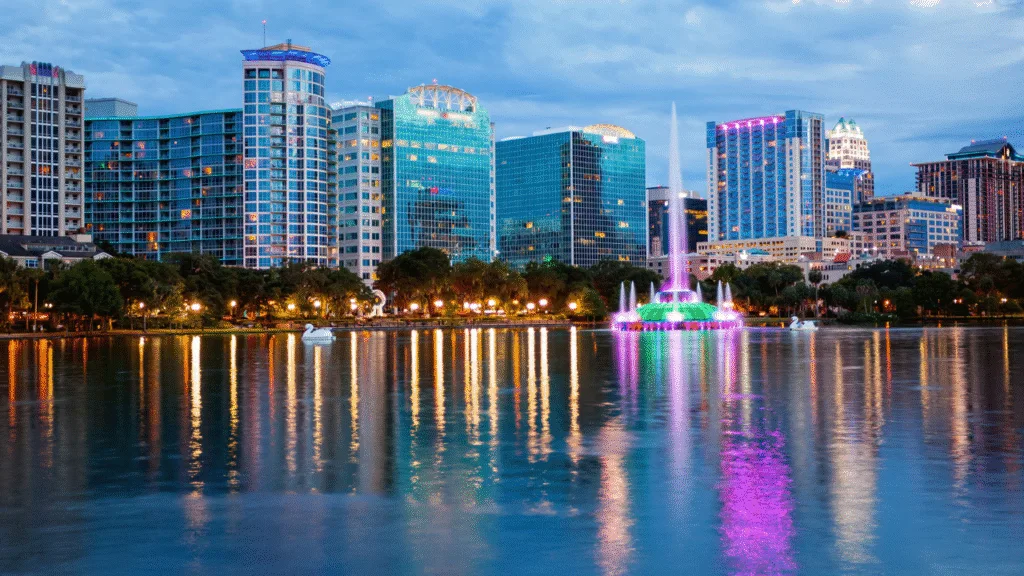
1 Orlando
Orlando is one of the most dynamic real estate markets in Florida.
According to Census Bureau demographic data, Orlando continues to experience strong population growth and housing development.
The city benefits from several economic drivers:
-
tourism industry
-
healthcare expansion
-
technology sector growth
Median gross rent in Orlando has reached roughly $1,650–$1,747 per month based on recent ACS estimates, reflecting strong rental demand.
For investors looking to gain a competitive edge, exploring off-market property deals in Orlando and how to find them can uncover unique investment opportunities not widely available on traditional listings.
Average rents in Orlando are approximately $1,785 for apartments, with larger units renting for more than $2,300 monthly.
Orlando’s diversified economy and population growth make it a strong long-term rental market.
2 Tampa
Tampa has emerged as one of Florida’s most attractive investment markets.
Key drivers include:
• technology sector expansion
• financial services growth
• population migration from northeastern states.
Housing research shows Tampa has experienced significant rent growth and property appreciation in recent years.
Median rents often exceed $2,300 per month, reflecting strong tenant demand and economic growth.
Tampa’s growing employment base supports continued rental demand.
3 Jacksonville
Jacksonville is the largest city in Florida by population, with more than 1 million residents, according to Census population estimates.
The city offers several advantages for rental property investors:
• relatively affordable home prices compared with other major Florida cities
• strong logistics and shipping industry
• expanding healthcare sector.
Because home prices remain lower than in many coastal markets, Jacksonville often offers attractive rental yield potential.
4 Miami
Miami remains one of the most internationally recognized real estate markets in the United States.
The city’s rental market benefits from:
• global tourism
• international migration
• financial sector growth.
Rental prices in Miami are among the highest in Florida, with one-bedroom apartments often exceeding $2,700 per month.
While property prices are higher than in many other Florida cities, the strong rental market and international demand make Miami attractive for certain investors.
5 Fort Lauderdale
Fort Lauderdale has become one of the fastest-growing real estate markets in South Florida.
The city benefits from:
• proximity to Miami
• expanding business districts
• growing technology companies.
Rental demand remains strong due to population growth and migration into the broader Miami metropolitan area.
6 St. Petersburg
St. Petersburg is part of the Tampa Bay metropolitan region and has experienced strong population growth.
The city has become attractive for renters due to:
• waterfront lifestyle
• expanding downtown redevelopment
• growing technology and healthcare employment sectors.
Rental demand has remained strong due to affordability relative to neighboring Tampa.
7 Sarasota
Sarasota is a popular destination for retirees and seasonal residents.
The city offers:
• strong tourism economy
• high quality of life
• growing population.
Although the rental market is somewhat seasonal due to tourism, long-term rental demand remains strong.
8 Tallahassee
Tallahassee offers a unique rental market because it serves as both the state capital of Florida and a major university city.
The presence of Florida State University and Florida A&M University creates consistent rental demand from students and faculty.
Average rents in Tallahassee are approximately $1,740 per month, with steady rental growth in recent years.
Student housing and workforce rentals make Tallahassee attractive for certain investors.
9 Ocala
Ocala has emerged as one of Florida’s more affordable real estate markets.
The city has experienced increasing housing demand due to:
• population growth
• expanding logistics sector
• development around the World Equestrian Center.
Median home prices remain lower than in many coastal cities, which may improve rental yield potential.
10 Lakeland
Lakeland sits between Tampa and Orlando and has benefited from economic expansion in both metropolitan areas.
Major employers include:
• logistics companies
• distribution centers
• healthcare organizations.
The city’s affordability and population growth have created increasing demand for rental housing.
Rental Market Trends in Florida
Florida’s rental market remains one of the largest in the United States.
Key trends include:
• strong population growth
• migration from high-cost states
• increased rental demand.
However, the market has begun to stabilize after rapid rent increases earlier in the decade.
Statewide rental vacancy rates have increased slightly as new housing supply enters the market.
Nevertheless, rents remain significantly higher than pre-pandemic levels.
Risks for Rental Property Investors
Although Florida offers strong rental investment opportunities, investors should also consider potential risks.
These include:
• rising insurance costs
• property tax increases
• local regulatory changes affecting short-term rentals
• economic cycles that may affect rental demand.
Careful market analysis and property selection remain important for long-term investment success.
Conclusion
Florida remains one of the most attractive states in the United States for rental property investment due to population growth, strong employment markets, and sustained housing demand.
Based on demographic trends, rental demand, and economic growth, the 10 best Florida cities for rental property investment in 2026 include:
1. Orlando
2. Tampa
3. Jacksonville
4. Miami
5. Fort Lauderdale
6. St. Petersburg
7. Sarasota
8. Tallahassee
9. Ocala
10. Lakeland
Each of these cities offers different advantages depending on investment strategy, including rental yield potential, population growth, and long-term housing demand.
Understanding local economic conditions and housing trends remains essential for evaluating rental property investments in Florida’s rapidly evolving real estate market.
Author
Asim Iftikhar — Real Estate Contributor, ACT Global Media
Florida Real Estate License: SL3633555
Florida Notary Commission: HH 709161
Asim Iftikhar contributes educational real estate content focused on U.S. residential processes, market structure, and consumer understanding. Content is informational and general in nature.
Editorial Disclosure
This article is provided for educational and informational purposes only and does not constitute real estate, financial, tax, or investment advice. Housing market conditions vary by location and may change over time. Readers should consult licensed professionals and official government sources when evaluating real estate investment decisions