




Introduction:
There isn’t one “magic” credit score
Many U.S. homebuyers search for a single number: “What credit score do I need to buy a house?”
In practice, mortgage lending doesn’t work like a pass/fail exam with one universal cutoff. Credit scores matter, but lenders also evaluate:
- credit report contents (payment history, derogatory items, utilization patterns),
- income and employment stability,
- debt-to-income (DTI) ratios,
- down payment / reserves,
- property type and occupancy,
- and program guidelines plus lender-specific rules.
The Consumer Financial Protection Bureau (CFPB) explains that your credit score and the information on your credit report can affect whether you qualify and what rate you may pay.
This guide lays out a program-by-program reality check (FHA, conventional, VA) and the most important nuance: lenders can add their own requirements.
1) First: what a credit score is (and what it isn’t)
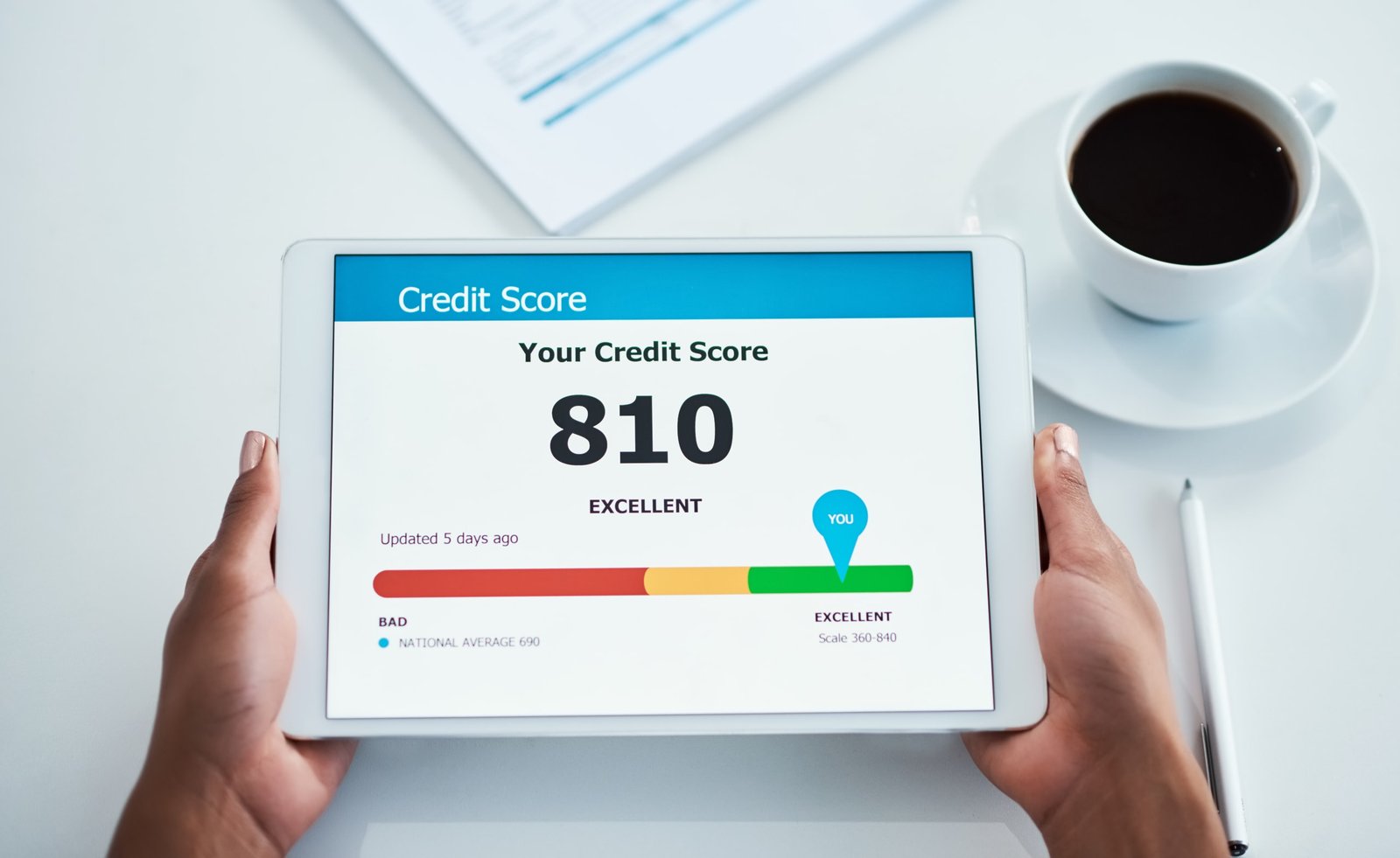
A credit score is a numeric summary intended to reflect credit risk. Many commonly used scoring models range from 300–850, but the CFPB notes there are different scoring systems and ranges used across the market.
Key point: You don’t have one single “credit score.” Different bureaus and models can produce different numbers, and lenders may pull multiple reports.
2) “Minimum score” vs “typical approval”: why searches can mislead
Online answers often confuse three different concepts:
A) Program eligibility baseline
Some programs publish eligibility thresholds or underwriting requirements.
B) Lender overlays
Even if a program allows a certain risk profile, a specific lender may require higher scores or stronger compensating factors.
C) Market reality (“typical” borrower profile)
In some rate environments, lenders may tighten credit standards; in others, they may loosen.
This is why the safest educational answer is: credit score is one piece of the underwriting profile, and requirements vary.
3) FHA loans: widely used, but score rules depend on the lender and policy details
FHA is a U.S. government-insured mortgage program administered through HUD policy and delivered by approved lenders. In consumer education, FHA is often associated with lower down-payment options for qualified borrowers, but the exact credit score thresholds can depend on underwriting and lender requirements.
Important compliance note: ACT Global Media does not provide approval guarantees. The most accurate educational approach is to say: FHA credit score expectations vary by lender and borrower profile, and borrowers should review current official HUD/FHA guidance and lender criteria.
For practical consumer education, the CFPB emphasizes that credit score and credit report information affect mortgage qualification and pricing outcomes.
4) Conventional loans (Fannie Mae / Freddie Mac): commonly referenced score baselines
Most conventional mortgages in the U.S. are originated under guidelines associated with the government-sponsored enterprises (GSEs), primarily Fannie Mae and Freddie Mac.
Historically, a 620 minimum credit score has been commonly referenced for many conventional eligibility pathways in the GSE ecosystem—however, guidelines can be updated, and lender overlays still apply.
Because requirements and underwriting engines evolve, the correct educational framing is:
- Conventional loans often require stronger credit profiles than some government-insured pathways.
- A borrower’s approval depends on the full underwriting profile, not just score.
(If you want, I can also turn this section into a “living” block on your site that you update quarterly, because guideline bulletins can change.)
5) VA loans: VA does not set a universal minimum credit score
For VA home loans, consumer guidance often highlights a key point: the VA itself does not set a minimum credit score, but lenders may set their own standards. (Exact lender criteria vary, and borrowers should verify with the lender they choose.)
This matters because many people assume VA has a published “cutoff score” when the practical reality is lender-driven.
6) Why your score matters beyond approval: pricing and total cost
Even when two borrowers both “qualify,” their total borrowing costs can differ based on credit risk and pricing adjustments.
The CFPB states clearly that your credit score and credit report information can affect the mortgage rate you pay.
Educational takeaway:
When consumers compare lenders, it’s generally better to compare total costs and standardized disclosures rather than focusing only on a single “minimum score” concept.
7) The credit profile factors that often matter as much as the score
Lenders don’t only look at the score. They look at the underlying report and risk indicators:
Payment history and derogatory events
Late payments, collections, charge-offs, judgments, and bankruptcies can have major impacts on underwriting decisions.
Credit utilization patterns
High revolving utilization can reduce scores and signal risk even if payments are on time.
Credit mix and depth
Thin credit files can be more difficult to underwrite than deep, consistent histories.
Recent inquiries
CFPB notes inquiries are part of mortgage shopping and typically have a small negative effect, but consumers should be strategic about applying only when needed.
8) A realistic consumer approach: focus on “mortgage readiness,” not the perfect number
A safer, more accurate way to think about this topic is:
Mortgage readiness = score + clean report + stable income + manageable debts + documented funds.
Even with a “good” score, a buyer can face problems if:
- DTI is too high,
- income is hard to document,
- reserves are insufficient,
- or the property doesn’t meet eligibility rules.
And even with a “lower” score, a buyer may be eligible in some pathways if the overall profile is stronger and the lender’s guidelines allow it.
9) How often should you monitor your credit while preparing to buy?
Monitoring credit can help catch errors, identity theft signals, or unexpected utilization changes.
CFPB provides consumer resources on understanding credit reports and scores and addressing errors.
FAQ (Educational)
Is there one score that guarantees approval?
No. Approval depends on the full underwriting profile and lender requirements. CFPB notes scores and reports affect qualification and pricing, but they are not the only factors.
Do lenders use one bureau score?
Often lenders pull credit reports and may evaluate multiple scores; processes vary.
Can two borrowers with the same score get different outcomes?
Yes—because the underlying report details, DTI, income stability, reserves, and property factors can differ.
Author Information
Written by: Beenish Rida Habib — Mortgage & Lending Contributor, ACT Global Media
Beenish Rida Habib is a Florida-licensed Mortgage Loan Originator (NMLS #1721345) with licensing since 2018. She contributes educational content explaining U.S. credit and mortgage concepts in a neutral, compliance-aware format.
Editorial Disclosure
This article is provided for general informational purposes only and does not constitute credit, mortgage, financial, or legal advice.
Regulatory Notice
Credit scoring practices and mortgage eligibility vary by scoring model, lender policies, borrower qualifications, and applicable laws and regulations. Information is based on publicly available U.S. sources and may change over time.