




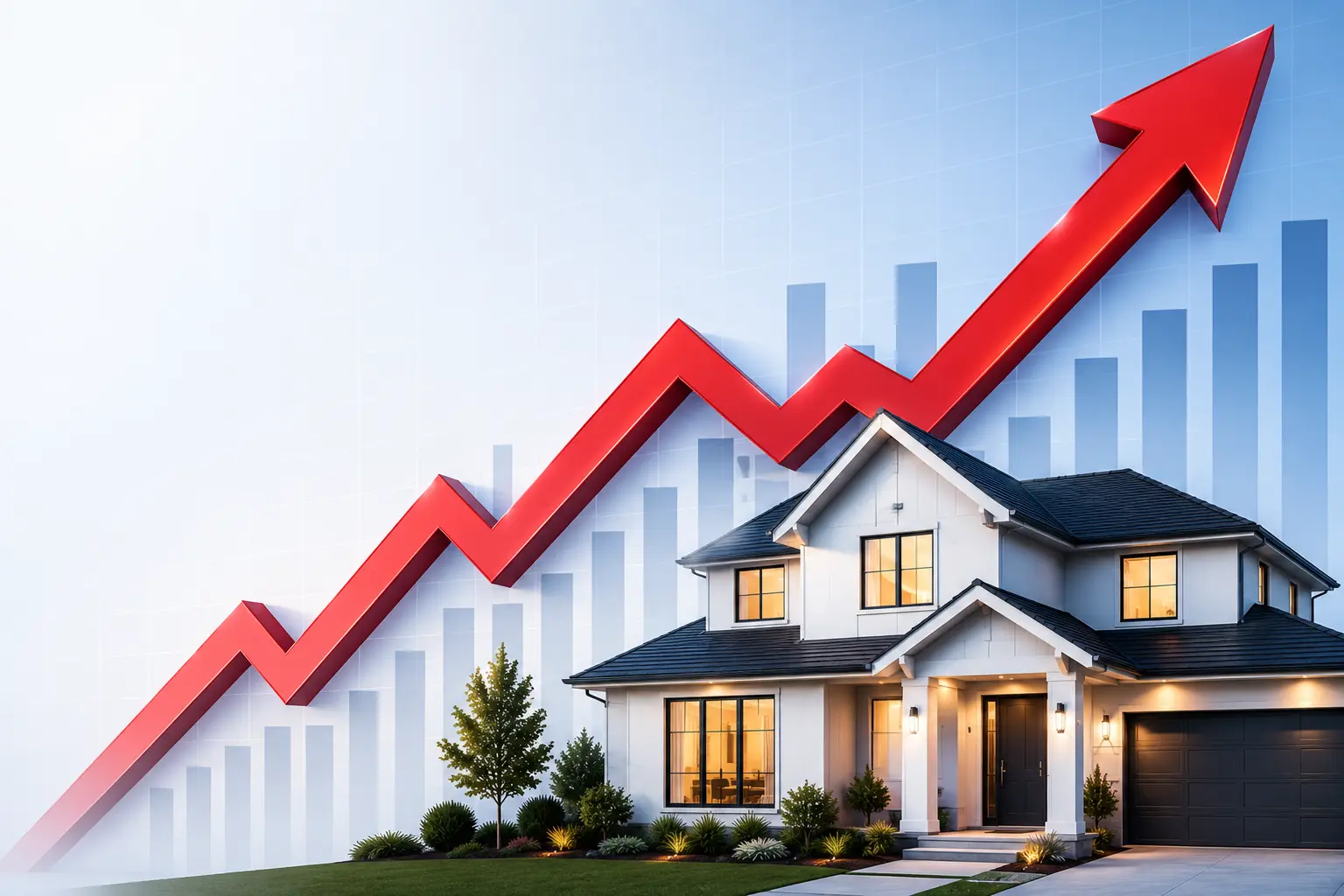
Mortgage rates in the United States have climbed to their highest levels since March following stronger-than-expected inflation data, adding fresh pressure to an already challenging housing market. The rise in borrowing costs is raising concerns among homebuyers, real estate professionals, and financial analysts as affordability continues to worsen across the country.
Recent inflation reports showed consumer prices increasing faster than economists anticipated, fueling expectations that the Federal Reserve may keep interest rates higher for longer. As Treasury yields moved upward in response, mortgage rates also surged, affecting both new homebuyers and homeowners considering refinancing.
Housing market analysts say the jump in mortgage rates could further slow home sales activity during a period when affordability is already near historic lows. Many potential buyers are being priced out of the market as monthly payments rise significantly compared to just a few years ago.
The average 30-year fixed mortgage rate has now reached its highest point since March, creating additional uncertainty for buyers waiting for borrowing costs to ease. Financial experts note that even small increases in mortgage rates can dramatically impact monthly housing expenses and long-term loan costs.
For example, a buyer financing a typical home purchase may now pay hundreds of dollars more each month compared to lower-rate periods seen earlier in the year. This has forced many buyers to reduce budgets, delay purchases, or reconsider entering the housing market altogether.
Real estate agents across the United States report that affordability concerns are becoming one of the biggest obstacles for first-time buyers. Elevated mortgage rates combined with high home prices continue to create financial strain, especially in competitive metropolitan areas where inventory remains limited.
At the same time, sellers are also feeling the effects of the market slowdown. Some homeowners are reluctant to list properties because they currently hold much lower mortgage rates secured during previous years. This trend continues to limit housing inventory and contributes to upward pressure on prices.
Economists say inflation remains the key factor driving mortgage rate volatility. Strong inflation data suggests the Federal Reserve may delay potential interest rate cuts, leading investors to anticipate tighter financial conditions for a longer period. Mortgage rates typically move alongside Treasury yields, making them highly sensitive to inflation expectations and economic reports.
Despite the increase in rates, some housing experts believe demand could remain relatively stable because of ongoing housing shortages in many regions. However, affordability remains a major concern, particularly for middle-income households trying to enter the market.
Financial advisors recommend that buyers focus on long-term affordability rather than trying to perfectly time mortgage rates. Experts suggest comparing lenders, improving credit scores, and exploring adjustable-rate or government-backed loan options when possible.
Refinancing activity has also slowed significantly as rising rates reduce opportunities for homeowners to secure lower monthly payments. Many borrowers who refinanced during historically low-rate periods in recent years are expected to remain locked into existing loans.
The latest mortgage rate increase reflects broader economic uncertainty surrounding inflation, interest rates, and consumer spending. Investors and homebuyers alike are closely monitoring future economic data for signs of whether inflation pressures may begin to cool in coming months.
For now, the US housing market continues to face a difficult balancing act between high borrowing costs, limited inventory, and ongoing affordability challenges. As mortgage rates remain elevated, both buyers and industry professionals are preparing for continued volatility throughout the remainder of the year.