




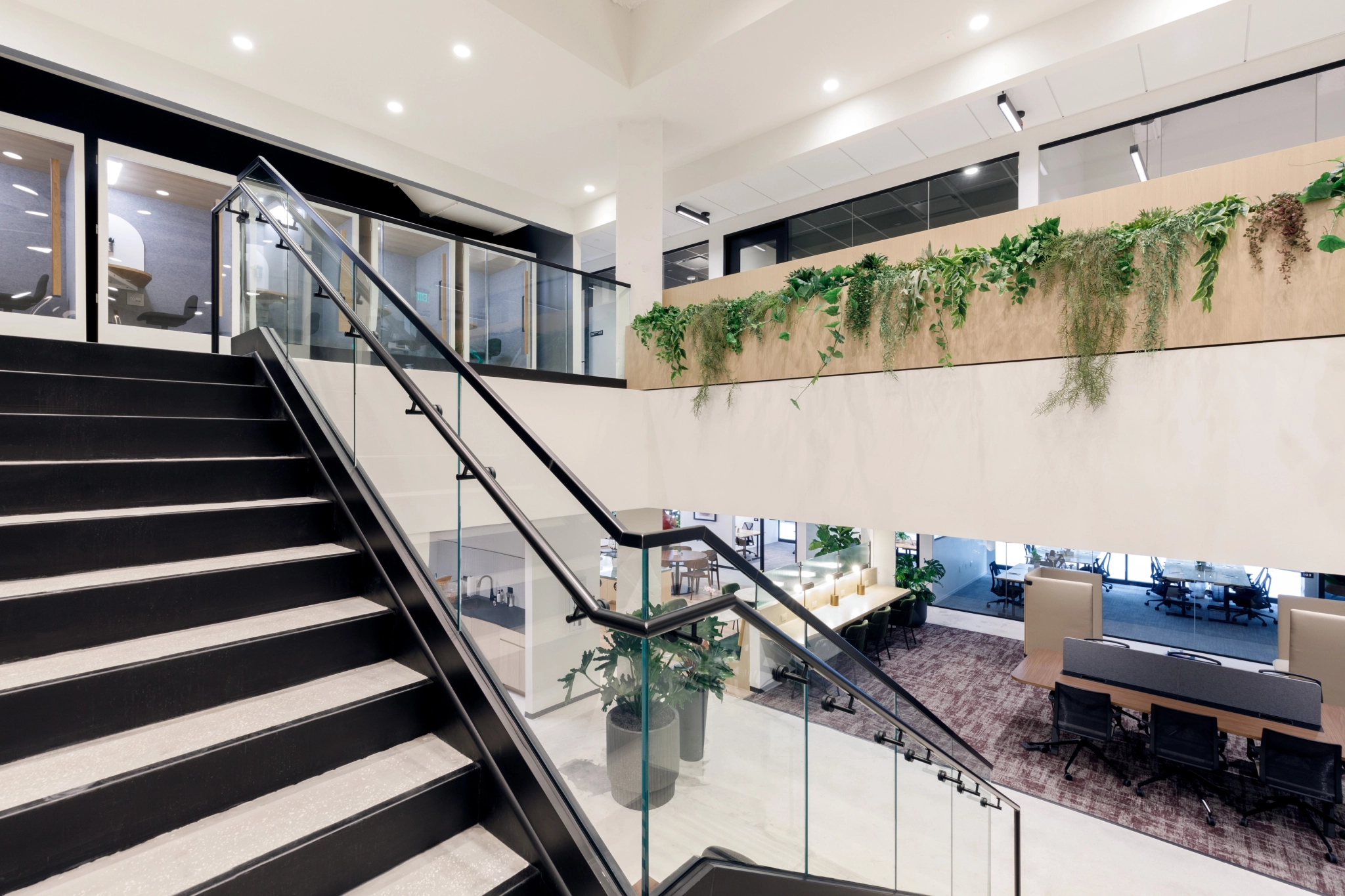
A coworking space provider is planning to expand in Miami’s Coconut Grove, signaling continued growth in flexible office demand as hybrid work reshapes commercial real estate across South Florida.
The expansion reflects a broader trend in the coworking sector, where companies are increasing their footprint in high demand, lifestyle driven neighborhoods rather than traditional central business districts. Industry data shows flexible workspace adoption accelerating, with more than half of global companies now using coworking or hybrid office solutions as part of their real estate strategy.
Why Coconut Grove Is Attracting Coworking Growth
Coconut Grove has become one of Miami’s most desirable live work neighborhoods, combining walkability, residential appeal, and proximity to major employment hubs. The area has seen a surge in both residential and commercial investment, including luxury developments and mixed use projects that are attracting professionals, entrepreneurs, and remote workers.
Recent leasing activity highlights this momentum. A tech firm recently secured nearly 92,000 square feet of office space at a mixed use complex in Coconut Grove, one of the largest office deals in Miami in 2026. This kind of demand is helping support coworking expansion as companies look for flexible alternatives to long term leases.
Shift Toward Flexible Workspaces
The coworking industry is evolving rapidly as traditional office usage declines. Instead of committing to large, long term leases, businesses are increasingly choosing:
- short term office agreements
- shared workspace environments
- satellite offices closer to employees
Analysts say this shift is especially strong in cities like Miami, where population growth and remote work trends are reshaping how companies use office space.
Coworking operators are also upgrading their offerings. Modern spaces now focus on:
- hospitality style environments
- wellness amenities
- community programming
- high end design
This approach is designed to attract both freelancers and corporate teams seeking flexible, high quality workspace.
Real Estate Impact in Miami
The expansion of coworking providers is playing a growing role in Miami’s commercial real estate market. Flexible workspace operators are becoming key tenants in office buildings, helping landlords fill space that might otherwise remain vacant due to changing workplace trends.
Florida has emerged as one of the fastest growing coworking markets in the United States, supported by migration, startup activity, and business relocation from higher cost states. Coconut Grove, in particular, offers a unique mix of residential charm and business accessibility, making it ideal for coworking expansion.
Developers Respond to Demand
Real estate developers are increasingly incorporating coworking space into new projects. Mixed use developments in Coconut Grove and across Miami are now including flexible office components alongside residential, retail, and hospitality features.
This trend aligns with broader development activity in the area, where boutique residential and lifestyle focused projects continue to reshape the neighborhood. Analysts say integrating coworking into these developments enhances property value and attracts a broader range of tenants.
What This Means for Investors
For real estate investors, coworking expansion signals a shift in how office space generates value:
- demand is moving toward flexible leasing models
- smaller, high quality spaces are outperforming large traditional offices
- mixed use developments are becoming more attractive
Coworking providers can also serve as anchor tenants in evolving office markets, helping stabilize occupancy rates.
Outlook
As hybrid work becomes a permanent feature of the modern economy, coworking expansion is expected to continue across Miami and other fast growing cities. Coconut Grove’s combination of lifestyle appeal, business activity, and ongoing development makes it a prime location for flexible workspace growth.
Analysts say the continued expansion of coworking providers highlights a long term transformation in commercial real estate, where flexibility, location, and user experience are becoming just as important as square footage.