


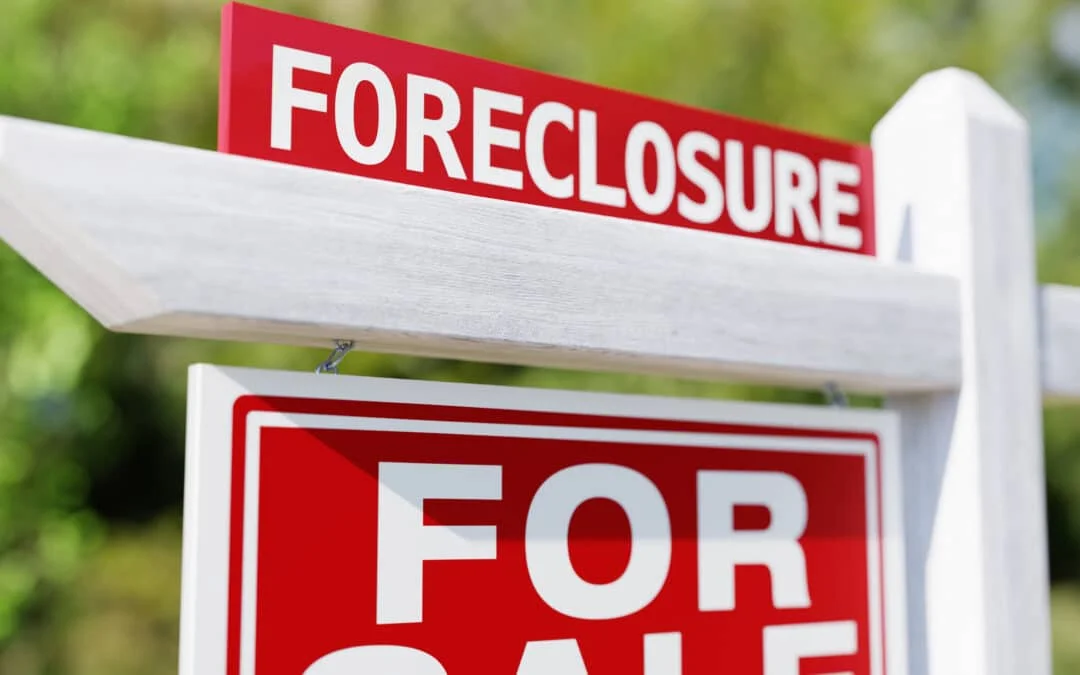
The rollback of a key federal housing relief program introduced during the Biden administration is expected to lead to an increase in foreclosure activity across the United States, as distressed borrowers lose access to protections that helped them remain in their homes during periods of financial hardship. 📊🏠
The program, which expanded loss mitigation options and provided temporary safeguards against foreclosure, allowed struggling homeowners to pause or restructure payments during times of economic stress. With these protections now ending, housing analysts warn that more borrowers may face difficulty keeping up with mortgage obligations.
Data from ATTOM Data Solutions already shows foreclosure activity trending upward in early 2026. Economists say the removal of federal support is likely to accelerate this trend, particularly among households that relied on modified payment plans or temporary relief measures.
The program had been implemented in response to pandemic era economic disruptions, helping millions of homeowners avoid foreclosure through forbearance, loan modifications, and repayment flexibility. It also encouraged lenders to work with borrowers to prevent distressed sales and maintain housing stability.
With the program now rolled back, borrowers who remain financially vulnerable must resume full payments or transition into standard loan structures. For some households, especially those facing rising costs of living, this shift could lead to missed payments and eventual foreclosure filings.
Housing experts emphasize that today’s situation differs significantly from the foreclosure crisis of 2008. Lending standards remain stronger, and many homeowners still hold substantial equity in their properties. However, the absence of federal support removes an important safety net that previously helped prevent defaults.
Rising housing costs are compounding the issue. Property taxes and insurance premiums have increased in many parts of the country, particularly in states such as Florida and Texas. These additional expenses are raising monthly escrow payments, making it more difficult for some homeowners to manage their finances.
Mortgage rate conditions tracked by Freddie Mac remain elevated compared with pandemic era lows, limiting refinancing opportunities that could otherwise reduce monthly payments. Borrowers who secured loans at higher rates or who cannot refinance may face greater financial strain as relief programs expire.
Population growth data from the U.S. Census Bureau shows continued demand for housing across many regions, which may help offset some of the impact by allowing homeowners with equity to sell rather than enter foreclosure. However, not all borrowers have sufficient equity or financial flexibility to avoid distress.
Housing counselors report that the most vulnerable groups include borrowers with adjustable rate mortgages, those on fixed incomes, and homeowners who experienced income disruptions in recent years. Without access to extended relief options, these households may face increased risk of delinquency.
Real estate professionals note that rising foreclosure activity can also influence market dynamics. An increase in distressed properties may create opportunities for investors, particularly in markets where inventory levels remain tight. At the same time, higher foreclosure rates can signal underlying affordability challenges within the broader housing market.
The policy shift reflects a broader transition away from pandemic era economic support programs. While the housing market has shown resilience, the end of federal protections highlights ongoing affordability pressures affecting many homeowners.
Looking ahead, economists expect foreclosure activity to continue rising moderately as the effects of the program’s rollback take hold. The pace of increase will likely depend on factors such as employment conditions, interest rates, and the trajectory of housing costs.
For homeowners, the key takeaway is that proactive financial planning is becoming increasingly important. As federal support measures wind down, maintaining affordability in a higher cost environment will be essential for avoiding financial distress and preserving long term homeownership stability.