



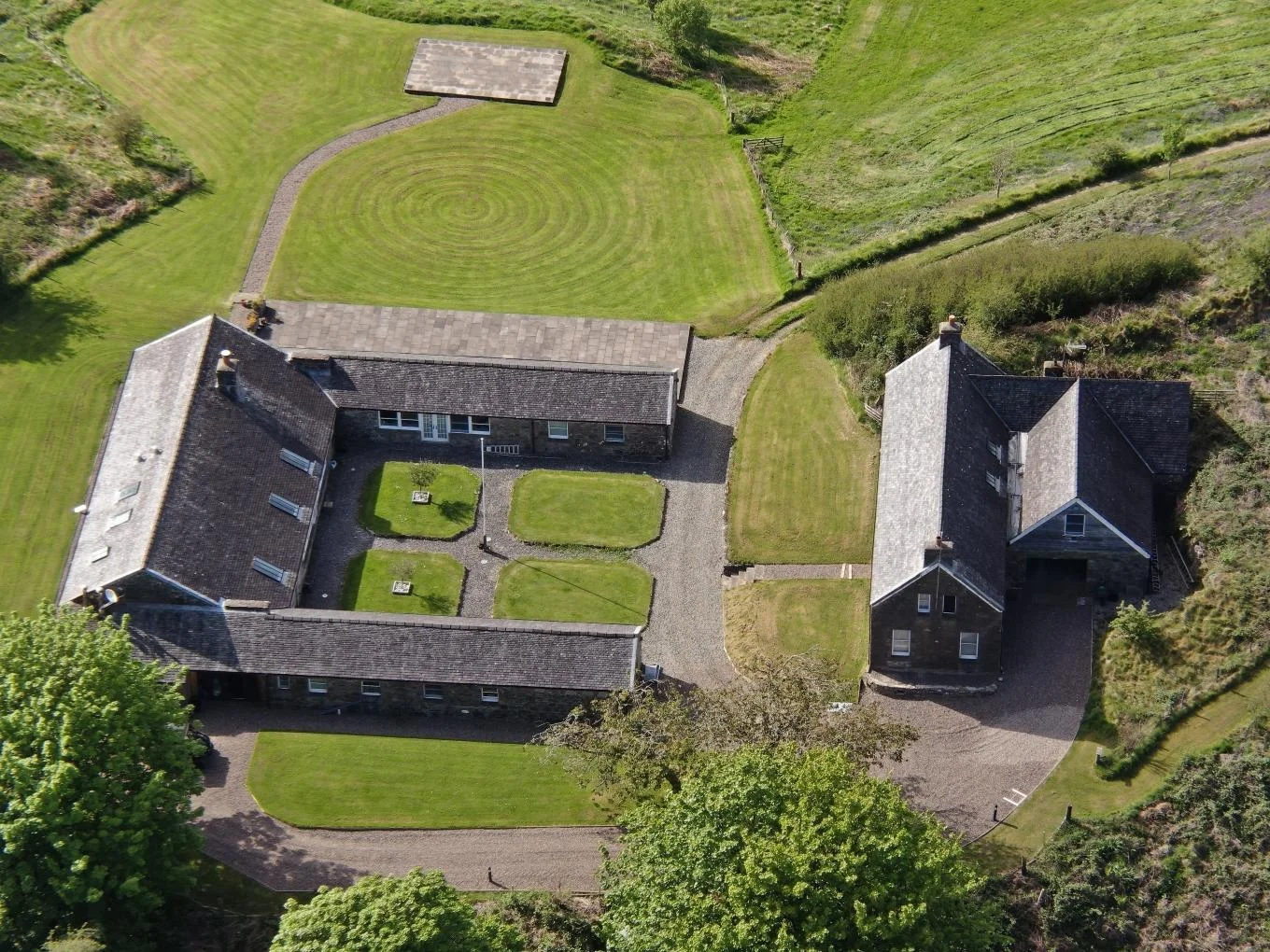
Soho House founder Nick Jones has placed his privately owned island property in Scotland on the market, drawing international attention to the niche but growing segment of ultra private lifestyle real estate. The listing highlights continued demand among high net worth buyers for secluded estates that combine heritage architecture, natural landscapes, and long term investment appeal.
Private island properties remain one of the rarest categories in global real estate. Analysts say listings of this type are typically marketed to buyers seeking privacy, legacy ownership opportunities, or distinctive hospitality and retreat style development potential rather than conventional residential use.
Jones, best known for launching the global members club brand Soho House & Co., has long been associated with luxury lifestyle properties that blend architecture with curated social experiences. Industry observers say the decision to list the Scottish island reflects both strong international demand for destination estates and the continued resilience of the global trophy property segment in 2026.
Unlike traditional luxury homes located in urban centers, private islands appeal to a narrower but highly mobile buyer base. Purchasers often include entrepreneurs, hospitality investors, and family offices seeking long term portfolio diversification through landmark real estate assets.
The listing also reflects broader trends across the international luxury housing market. Analysts note that lifestyle driven properties located near coastlines, mountains, or conservation landscapes have gained attention in recent years as buyers prioritize privacy and environmental surroundings alongside architectural value.
While interest rate conditions remain a major factor shaping activity in mainstream housing markets, ultra luxury properties are typically less sensitive to borrowing costs. Mortgage rates tracked by Freddie Mac remain near the mid 6 percent range in 2026, but transactions involving private islands are frequently completed through cash purchases or structured wealth portfolio financing.
Rising construction costs are another factor supporting the value of legacy estates. Inflation trends reported by the Bureau of Labor Statistics show continued increases in materials and labor expenses globally. Analysts say this strengthens pricing for existing properties that would be difficult or expensive to replicate today.
Private island ownership has also become more visible within the broader hospitality investment landscape. Some buyers acquire remote estates with the intention of converting them into boutique retreat destinations or limited access membership properties. Given Jones’s background in hospitality development, industry observers say the property could attract interest from investors exploring experiential tourism concepts.
The listing arrives during a period when international luxury property markets continue benefiting from wealth mobility across Europe, North America, and the Middle East. Analysts say distinctive estates in Scotland remain attractive due to heritage appeal, natural scenery, and relative scarcity compared with Mediterranean island properties.
Although geographically distant from Sun Belt growth markets such as Miami and Palm Beach, transactions involving trophy properties in Europe often influence sentiment across the global luxury housing sector. High profile listings can reinforce investor confidence in destination real estate as a long term asset class.
Developers and luxury brokers say interest in remote estates increased after the pandemic as high net worth buyers began prioritizing flexible lifestyle locations that support seasonal living, wellness retreats, and private family gatherings. This shift continues shaping demand for countryside and island properties across the United Kingdom and Northern Europe.
For investors and lifestyle buyers alike, the Scottish island listing highlights how unique properties remain an important part of the global luxury real estate ecosystem. Analysts say trophy estates with architectural identity and natural surroundings often maintain long term appeal even during periods of economic uncertainty.
Looking ahead, the sale is expected to attract interest from international buyers seeking privacy focused residential estates or hospitality conversion opportunities. As demand continues expanding for experiential luxury destinations, private island properties such as this remain among the most distinctive assets in the global high end real estate market.